
Water damage · Emergency service
Flood damage cleanup
Flood cleanup treats outside floodwater as contaminated: it removes water and mud, cuts out wet drywall and insulation above the waterline, sanitizes, and dries the structure. Floodwater carries sewage and chemicals, so porous materials it touched are usually discarded.
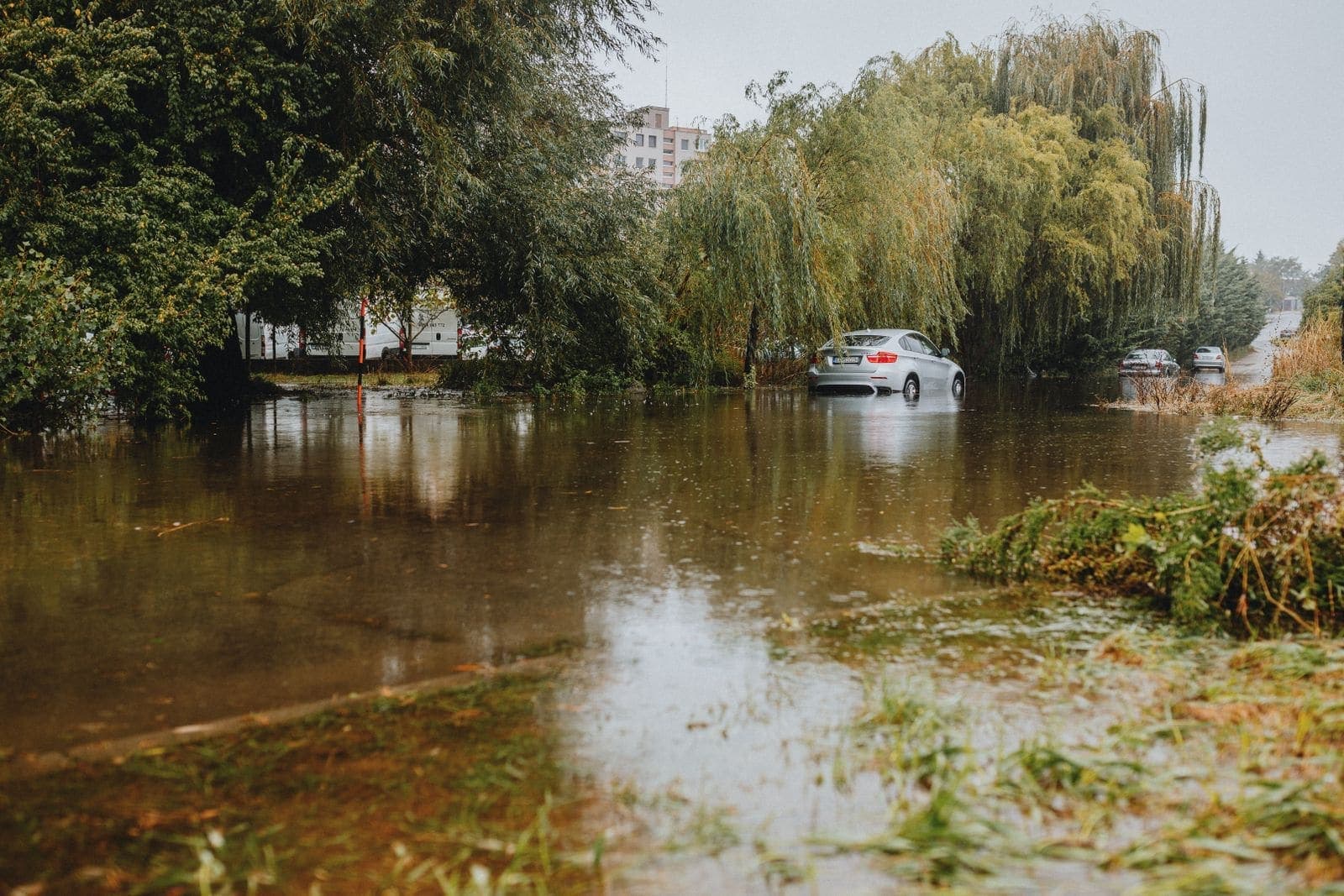
Flooding happens in every state, from hurricane surge on the Gulf and Atlantic coasts to river floods in the Midwest and flash floods in desert washes and mountain valleys. Rising water is different from a clean pipe leak because it counts as Category 3 water.
Flood damage is normally excluded from standard homeowners policies and covered by a separate NFIP or private flood policy. Thorough photos and moisture logs make that claim easier.
What you can expect
- One call connects you with an independent restoration company that serves your ZIP code.
- Fast call-back during business hours
- Serving All 50 states + D.C.
- Photo and moisture documentation for insurance
Flood damage cleanup at a glance
- Category
- Water damage
- Emergency service
- Yes, call for fastest response
- Typical first step
- Make safe
- Area
- All 50 states + D.C.
Signs you need flood damage cleanup
- Water entered from outside, at doors or through the slab
- A visible waterline on walls
- Mud or debris left on floors
- Wet insulation inside lower walls
- Odor of sewage or fuel
How the work is done
- 1
Make safe
Power is confirmed off in flooded areas, and crews wear protective gear for contaminated water.
- 2
Remove water and debris
Pumps and extractors remove water, and mud and saturated contents are removed and documented.
- 3
Flood cuts and sanitizing
Drywall and insulation are cut above the waterline; framing and slab are cleaned and treated with antimicrobial.
- 4
Dry and verify
Structural drying runs until framing meets dry standards, then rebuild can begin.
What affects the cost
Prices depend on the job, so restoration companies quote after an assessment. These factors drive the number:
- Height of the waterline
- Square footage affected
- Amount of contents removal
- Antimicrobial and sanitizing scope
- Drying duration
What to do right now
Safe to do yourself
- Stay out of standing floodwater until power is confirmed off
- Photograph the waterline and all damaged items
Call a professional if…
- Any outside floodwater entered the home
- Water reached outlets or HVAC equipment
Flood damage cleanup questions
Is flood damage covered by homeowners insurance?
Usually not. Rising water from outside is typically covered only by a flood policy (NFIP or private). Water from a burst pipe is a different claim under your homeowners policy.
Can drywall that got flood water be dried?
Generally no. Floodwater is contaminated, so the IICRC S500 standard calls for removing porous materials it soaked, including drywall and insulation, above the waterline.
Where this service is available
Available in all 50 states and D.C. These cities have their own local pages:
Related services
Emergency water extraction
Water extraction is the first step of any water loss: removing standing and absorbed water with powerful pumps and extractors before drying starts.
Learn more
Sewage backup cleanup
Sewage cleanup treats the water as Category 3 (grossly contaminated): crews in protective gear remove it, discard porous materials it touched, clean and disinfect hard surfaces, and dry the structure.
Learn more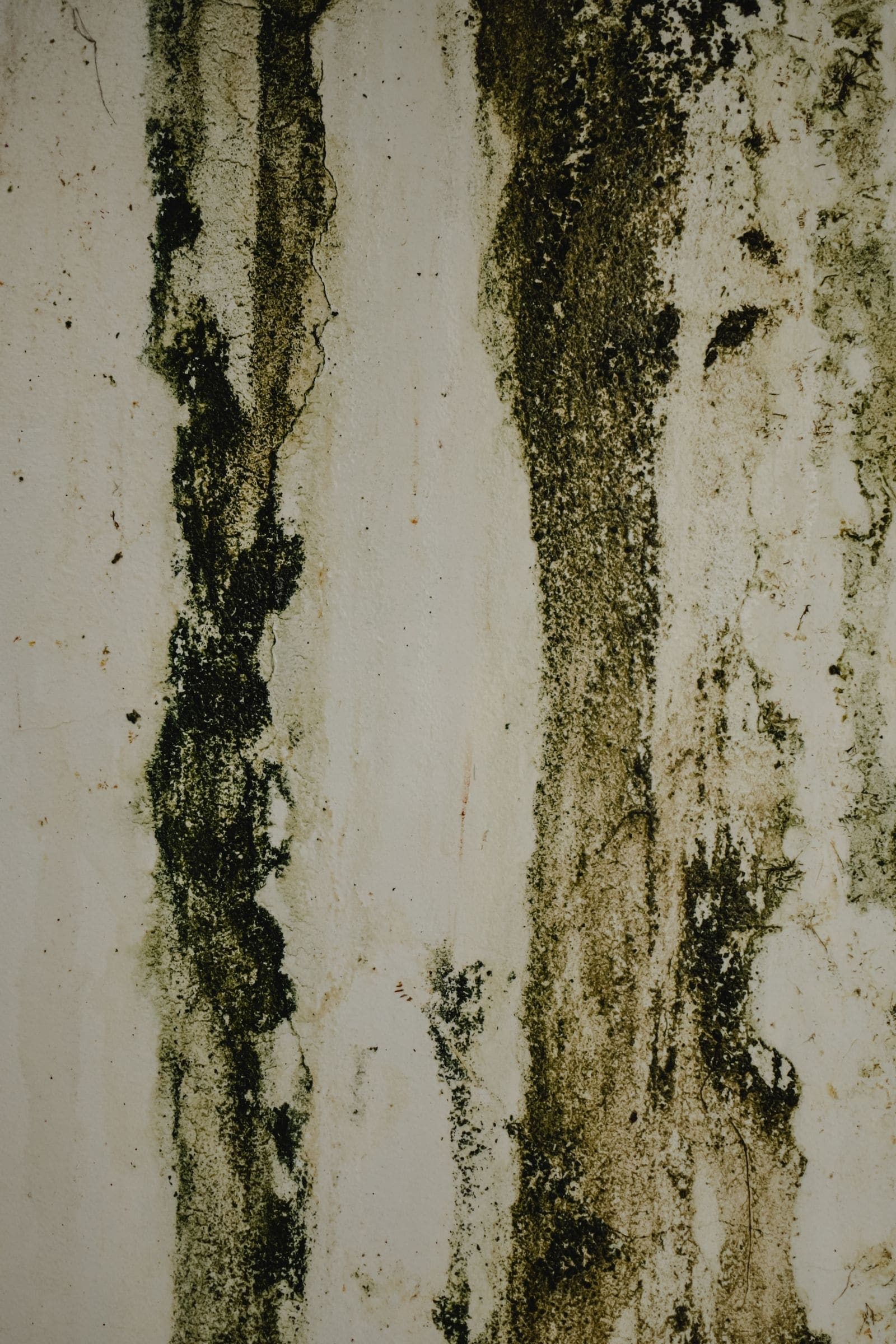
Mold remediation
Mold remediation removes mold growth under containment so spores don't spread, cleans or discards affected materials, and corrects the moisture problem that let it grow.
Learn moreWater, mold or fire damage? Get the right crew on it.
One call connects you with an independent restoration company that serves your ZIP code. Fast call-back during business hours.