
Water damage · Emergency service
Flood damage cleanup in New Orleans, LA
Flood cleanup treats outside floodwater as contaminated: it removes water and mud, cuts out wet drywall and insulation above the waterline, sanitizes, and dries the structure. Floodwater carries sewage and chemicals, so porous materials it touched are usually discarded.
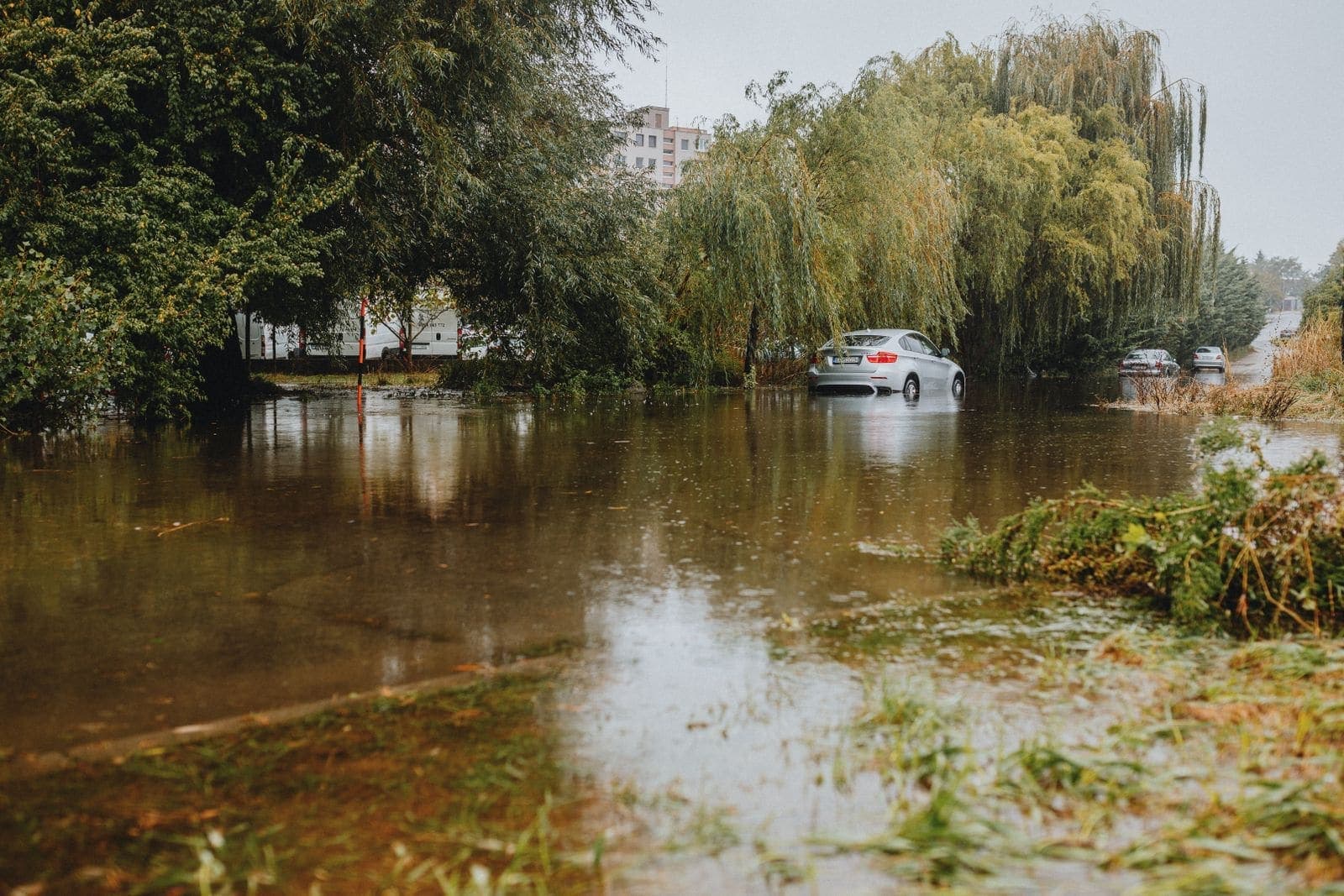
Flood damage cleanup in New Orleans: local conditions
Much of New Orleans sits below sea level, and the city depends on a network of drainage pumps to move rainwater out. When intense rain outpaces the pumps, as it did in August 2017, streets and low homes flood even without a hurricane. Floodwater counts as Category 3 water, so drywall and insulation below the waterline usually have to come out.
How a home floods depends on how it's built. Raised shotgun houses and Creole cottages on piers often take water underneath first, soaking subfloors and plumbing, while slab homes in Lakeview, Gentilly and New Orleans East take water directly into living space.
New Orleans heat and humidity mean drying and mold prevention must start as soon as the water recedes. Antimicrobial treatment and dehumidifiers sized for Gulf Coast air are standard parts of the job.
What you can expect
- One call connects you with an independent restoration company that serves your ZIP code.
- Fast call-back during business hours
- Serving New Orleans, LA
- Photo and moisture documentation for insurance
Flood damage cleanup at a glance
- Category
- Water damage
- Emergency service
- Yes, call for fastest response
- Typical first step
- Make safe
- Area
- New Orleans, LA
Other water risks in New Orleans
Street flooding from heavy rain
Intense rain can overwhelm the drainage pumps, flooding streets and low homes, as in the August 2017 floods.
Hurricanes
Surge, wind and long power outages from Gulf hurricanes damage homes and leave them without AC.
Humidity and mold
Mold grows fast in the heat and humidity after any water loss.
Subsidence and foundations
Much of New Orleans is slowly sinking, which shifts foundations and cracks pipes, especially in homes on slabs in former marshland neighborhoods.
Signs you need flood damage cleanup
- Water entered from outside, at doors or through the slab
- A visible waterline on walls
- Mud or debris left on floors
- Wet insulation inside lower walls
- Odor of sewage or fuel
How the work is done
- 1
Make safe
Power is confirmed off in flooded areas, and crews wear protective gear for contaminated water.
- 2
Remove water and debris
Pumps and extractors remove water, and mud and saturated contents are removed and documented.
- 3
Flood cuts and sanitizing
Drywall and insulation are cut above the waterline; framing and slab are cleaned and treated with antimicrobial.
- 4
Dry and verify
Structural drying runs until framing meets dry standards, then rebuild can begin.
What affects the cost
Prices depend on the job, so restoration companies in New Orleans quote after an assessment. The main drivers are how much area is affected, how long it stayed wet, and what has to be removed or rebuilt. See the full list of flood damage cleanup cost factors.
What to do right now
Safe to do yourself
- Stay out of standing floodwater until power is confirmed off
- Photograph the waterline and all damaged items
Call a professional if…
- Any outside floodwater entered the home
- Water reached outlets or HVAC equipment
Flood damage cleanup questions
Do I need a permit to rebuild after flooding in New Orleans?
Yes, for most rebuild work. Substantially damaged homes in flood zones may also need to meet elevation requirements, so check with the City of New Orleans Department of Safety and Permits before rebuilding.
Is street flooding covered by homeowners insurance in New Orleans?
No. Water entering from flooded streets is flood damage and needs an NFIP or private flood policy.
Is flood damage covered by homeowners insurance?
Usually not. Rising water from outside is typically covered only by a flood policy (NFIP or private). Water from a burst pipe is a different claim under your homeowners policy.
Can drywall that got flood water be dried?
Generally no. Floodwater is contaminated, so the IICRC S500 standard calls for removing porous materials it soaked, including drywall and insulation, above the waterline.
More about water and storm damage in New Orleans, or see flood damage cleanup across Texas.
Related services
Emergency water extraction
Water extraction is the first step of any water loss: removing standing and absorbed water with powerful pumps and extractors before drying starts.
Learn more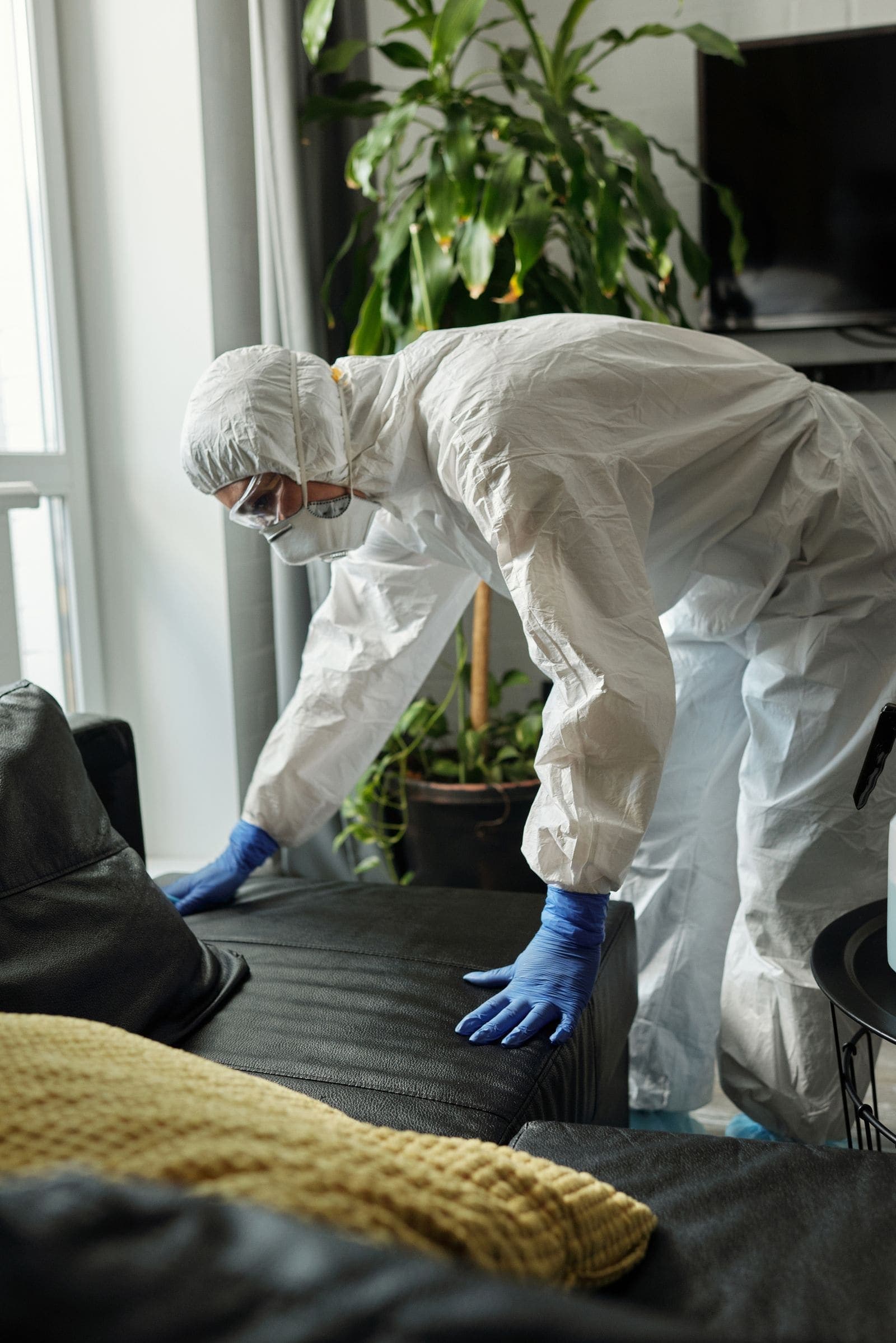
Sewage backup cleanup
Sewage cleanup treats the water as Category 3 (grossly contaminated): crews in protective gear remove it, discard porous materials it touched, clean and disinfect hard surfaces, and dry the structure.
Learn more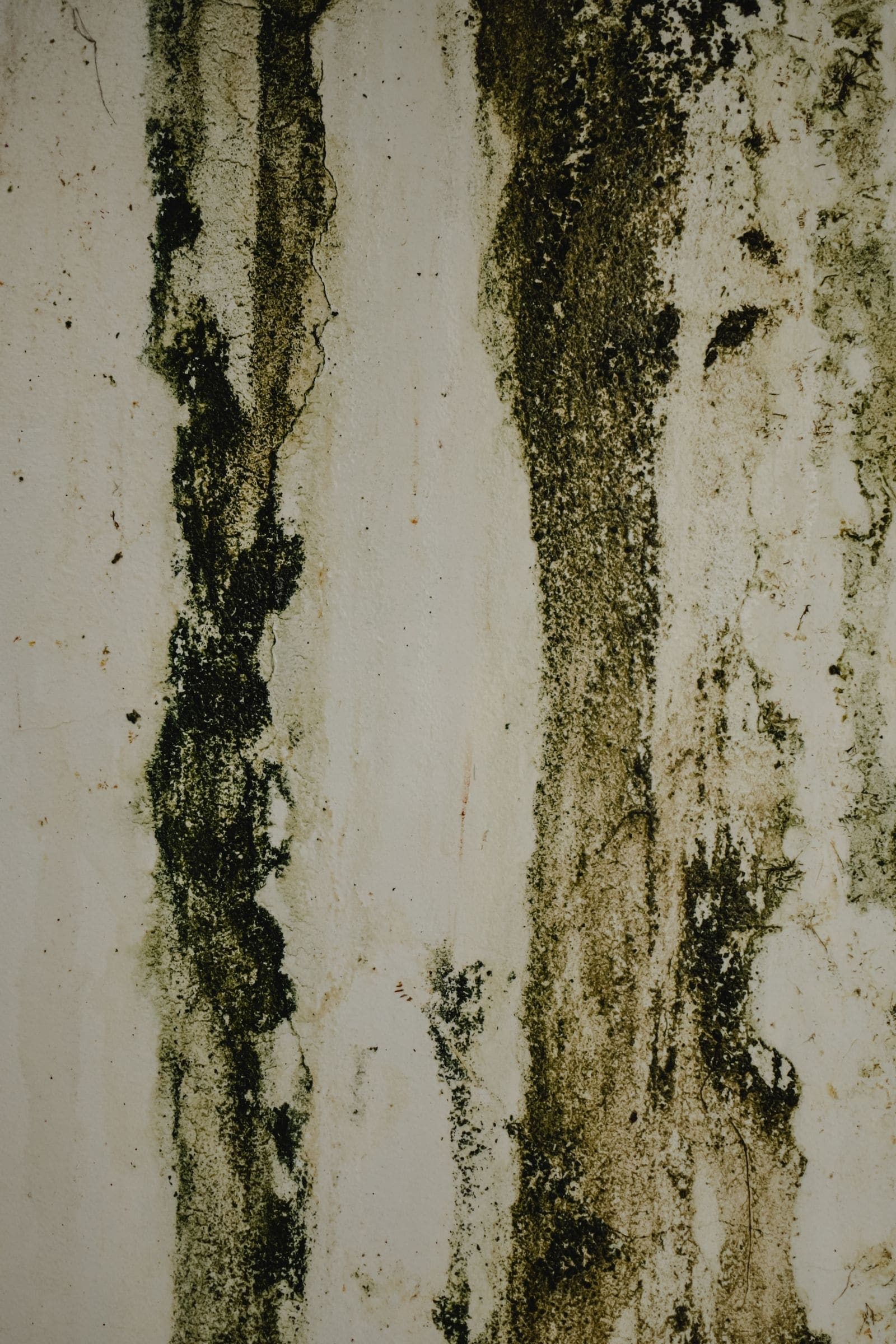
Mold remediation
Mold remediation removes mold growth under containment so spores don't spread, cleans or discards affected materials, and corrects the moisture problem that let it grow.
Learn moreWater, mold or fire damage? Get the right crew on it.
One call connects you with an independent restoration company that serves your ZIP code. Fast call-back during business hours.