
Water damage · Emergency service
Burst pipe water damage
A burst pipe can release hundreds of gallons an hour, so shutting the main valve comes first, then extraction and drying. Freezes cause most pipe bursts, from sub-zero cold in the North to rare hard freezes in Southern homes that were never built for them.
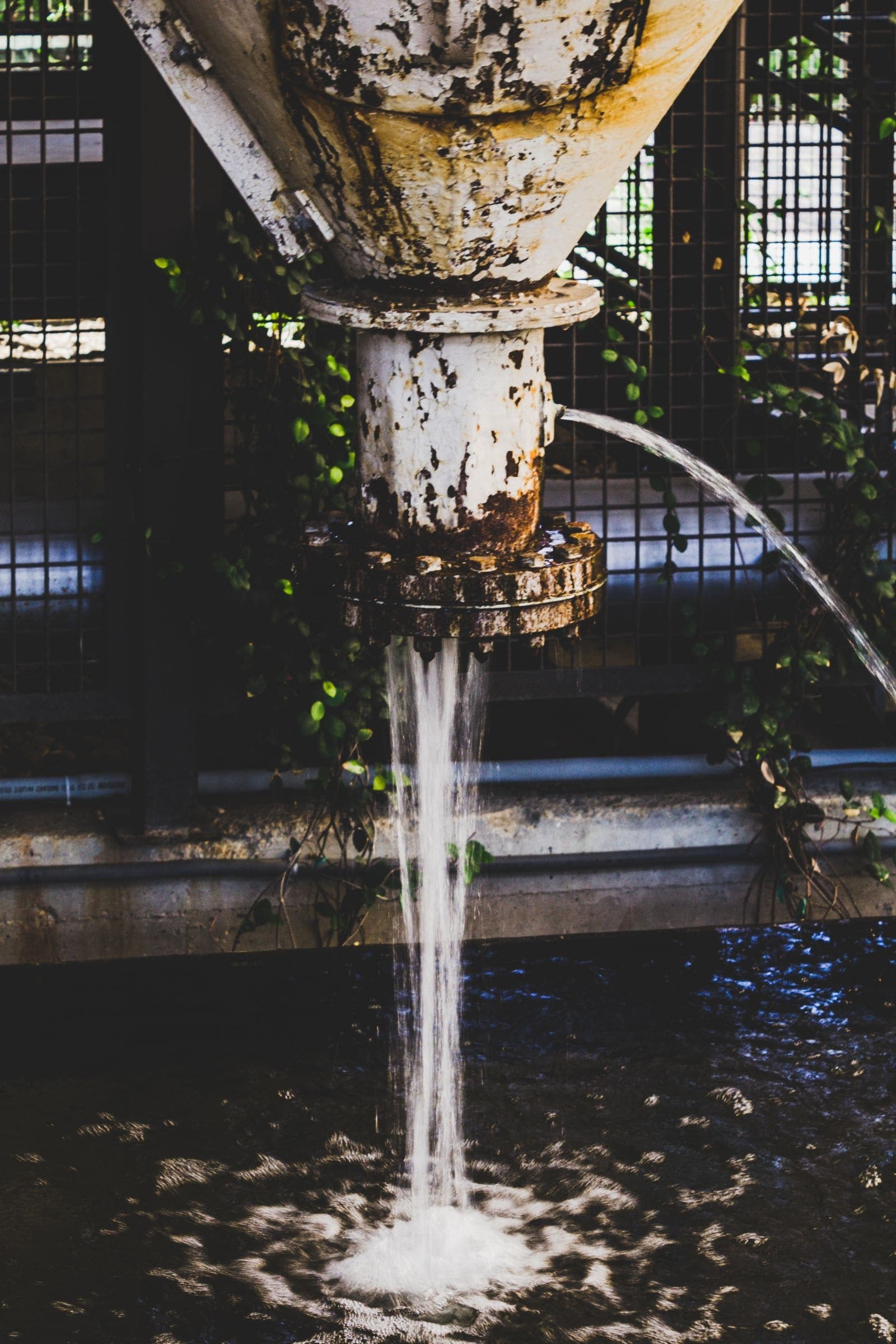
In Northern states, pipes freeze in exterior walls, crawlspaces and garages during long cold snaps. In the South, the February 2021 winter storm showed how many homes have water lines in attics and outside walls. Either way, the burst often isn't found until water comes through a ceiling.
Pipe bursts are clean water at the start, which makes them very salvageable if drying begins quickly. Wait too long, and clean water becomes Category 2 or 3.
What you can expect
- One call connects you with an independent restoration company that serves your ZIP code.
- Fast call-back during business hours
- Serving All 50 states + D.C.
- Photo and moisture documentation for insurance
Burst pipe water damage at a glance
- Category
- Water damage
- Emergency service
- Yes, call for fastest response
- Typical first step
- Shut off water
- Area
- All 50 states + D.C.
Signs you need burst pipe water damage
- Water dripping or pouring from a ceiling
- A sudden drop in water pressure
- Bulging or stained ceiling drywall
- Hissing sound in walls after a freeze
- A high water bill with no visible leak
How the work is done
- 1
Shut off water
Close the main shutoff, usually near the street meter or where the line enters the house.
- 2
Plumbing repair
A licensed plumber repairs the pipe; restoration can start drying while that's scheduled.
- 3
Ceiling and wall drying
Wet ceiling drywall and attic insulation are checked; sagging sections are removed for safety.
- 4
Dry, document, rebuild
Drying is logged daily, then drywall, texture and paint are restored.
What affects the cost
Prices depend on the job, so restoration companies quote after an assessment. These factors drive the number:
- How long the pipe ran
- Floors and ceilings affected
- Attic insulation replacement
- Ceiling texture and paint matching
What to do right now
Safe to do yourself
- Shut the main valve and open faucets to drain lines
- Poke a small hole in a bulging ceiling over a bucket to relieve water
Call a professional if…
- Ceiling is sagging broadly
- Water reached light fixtures or the electrical panel
Burst pipe water damage questions
Where is the main water shutoff?
In homes with basements, it's usually where the water line enters the foundation, near the meter. Slab homes often have a shutoff at the meter box near the street, plus a valve in the garage or near the water heater. Find it before you need it.
How do I prevent frozen pipes?
Insulate attic and exterior wall lines, drip faucets on outside walls during hard freezes, open sink cabinets, and disconnect garden hoses.
Where this service is available
Available in all 50 states and D.C. These cities have their own local pages:
Related services
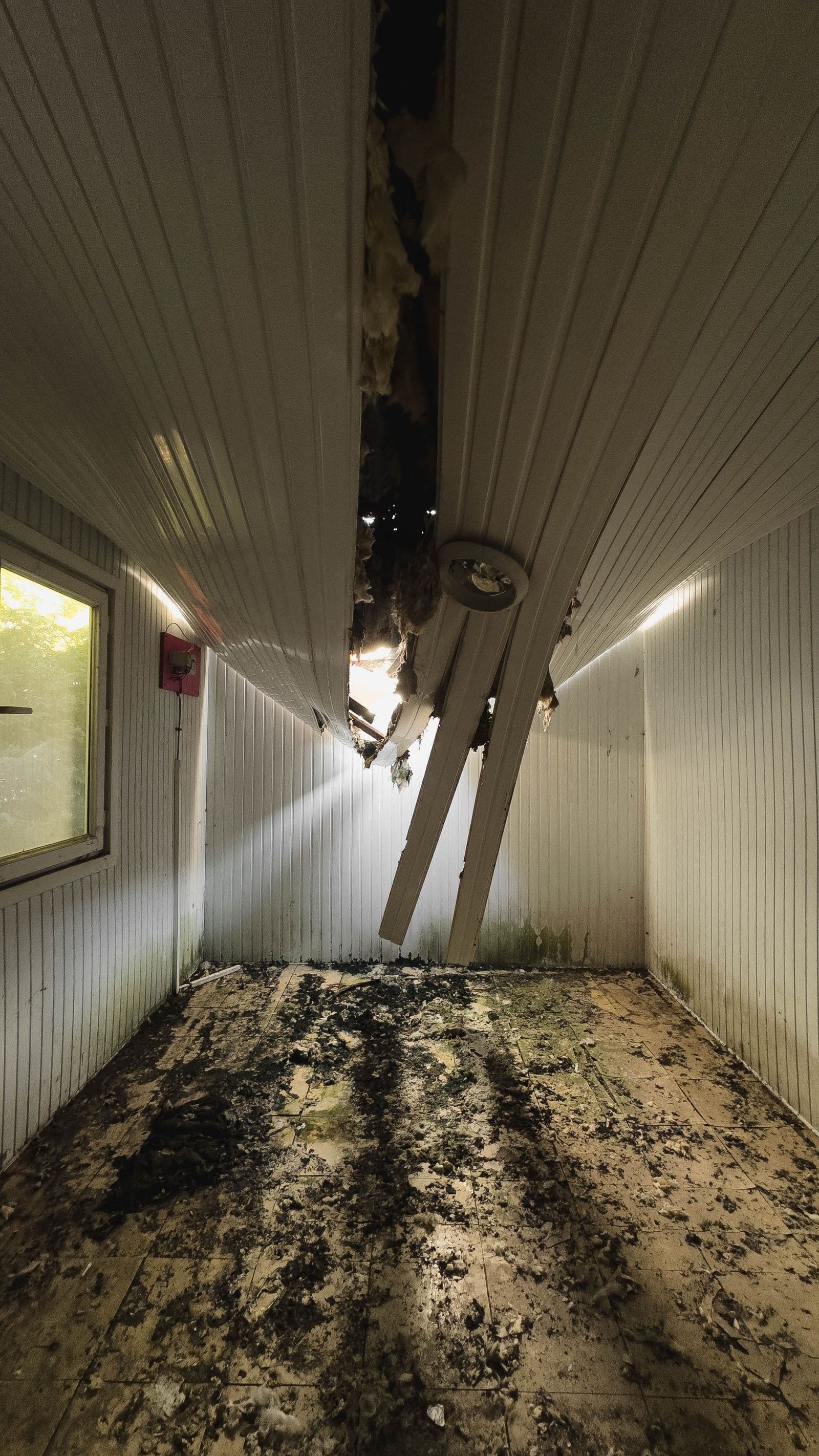
Water damage restoration
Water damage restoration removes standing water, dries the structure to a measured dry standard, and repairs or replaces what can't be saved.
Learn moreCeiling water damage repair
Ceiling water damage is usually caused by a roof leak, an attic AC drain overflowing, or a plumbing line above.
Learn more
Structural drying
Structural drying removes moisture that has soaked into walls, framing, subfloors and cabinets after the visible water is gone.
Learn moreWater, mold or fire damage? Get the right crew on it.
One call connects you with an independent restoration company that serves your ZIP code. Fast call-back during business hours.