
Water damage
Structural drying and dehumidification
Structural drying removes moisture that has soaked into walls, framing, subfloors and cabinets after the visible water is gone. It uses calculated airflow, dehumidification and daily meter readings so materials reach a documented dry standard before anything is closed up.
Drywall that looks dry on the surface can still hold enough moisture behind the paint to grow mold. That is why drying is measured, not judged by touch.
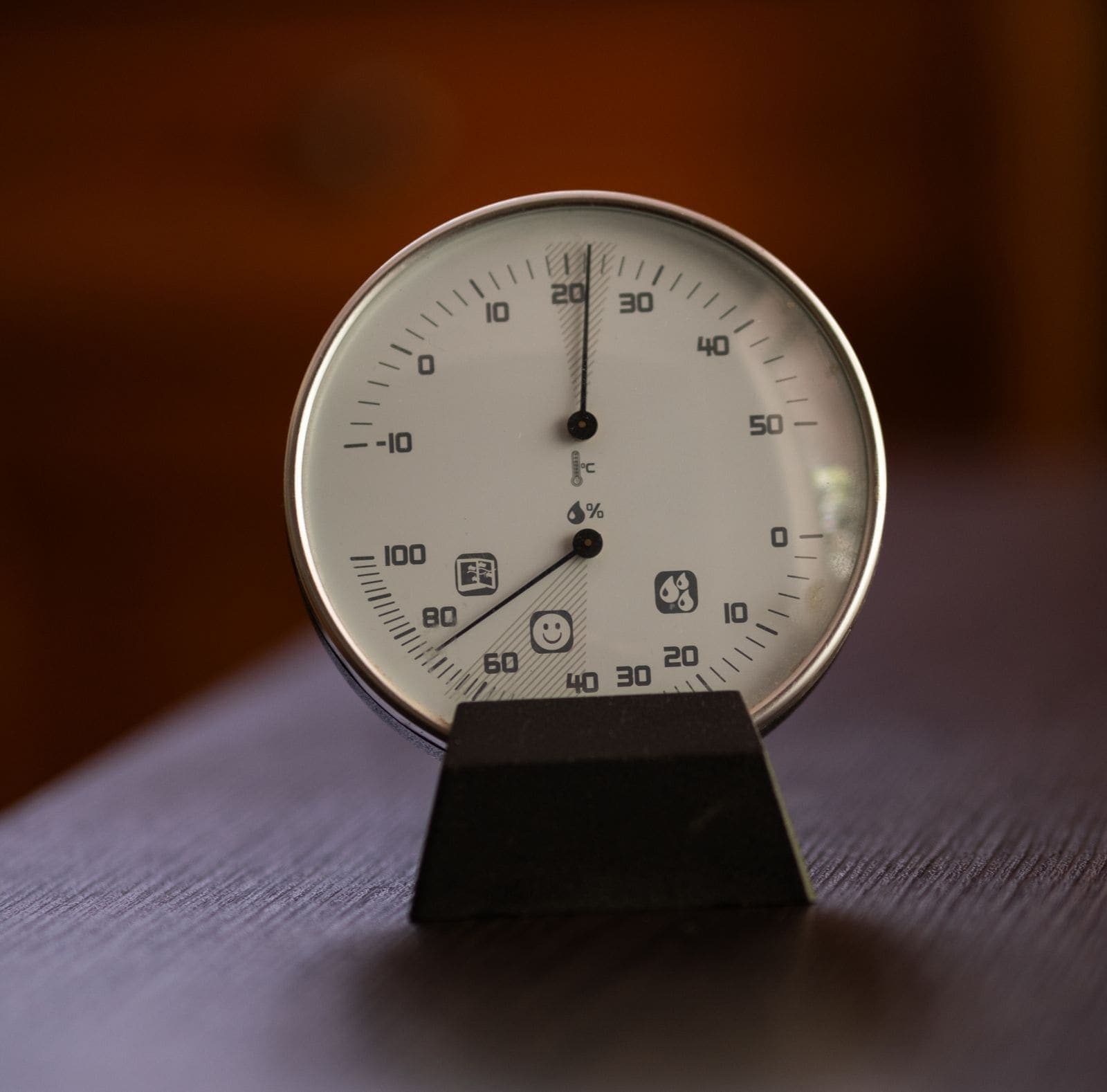
Climate changes the job. In humid regions like the Gulf Coast and Southeast, outdoor air often sits above 70% relative humidity, so dehumidifiers do most of the work. In dry Western climates, materials dry faster, but hidden cavities still need measuring.
What you can expect
- One call connects you with an independent restoration company that serves your ZIP code.
- Fast call-back during business hours
- Serving All 50 states + D.C.
- Photo and moisture documentation for insurance
Structural drying at a glance
- Category
- Water damage
- Emergency service
- Scheduled visit
- Typical first step
- Moisture mapping
- Area
- All 50 states + D.C.
Signs you need structural drying
- Walls or baseboards still feel cool or damp days after a leak
- Paint bubbling or peeling near the floor
- Musty odor that returns after cleaning
- Cabinets with swollen toe kicks
- Moisture readings above normal from a home inspector
How the work is done
- 1
Moisture mapping
Pin and pinless meters plus thermal imaging set the boundaries of the wet area and a dry goal for each material.
- 2
Open cavities if needed
Small holes behind baseboards or flood cuts let air into wet wall cavities; insulation that holds water is removed.
- 3
Airflow and dehumidification
Air movers and low-grain refrigerant or desiccant dehumidifiers are placed and adjusted daily.
- 4
Document the dry standard
Daily logs show readings until every material matches dry reference points, which supports your insurance claim.
What affects the cost
Prices depend on the job, so restoration companies quote after an assessment. These factors drive the number:
- Number of drying days
- Equipment count
- Specialty drying for hardwood, cabinets or plaster
- Whether walls must be opened
What to do right now
Safe to do yourself
- Run the AC and keep windows closed in humid weather
- Remove wet rugs and items from the area
Call a professional if…
- Water got inside walls or under cabinets
- Hardwood is cupping
- You smell mustiness after three days
Structural drying questions
Why not just use fans?
Fans move air but don't remove moisture from it. Without dehumidification, the water evaporated from your walls stays in the room and soaks back into other materials.
Do walls always have to be cut open?
No. Many clean-water losses dry in place with small access holes. Walls are cut when water is contaminated, insulation is soaked, or readings won't come down.
Where this service is available
Available in all 50 states and D.C. These cities have their own local pages:
Related services
Water damage restoration
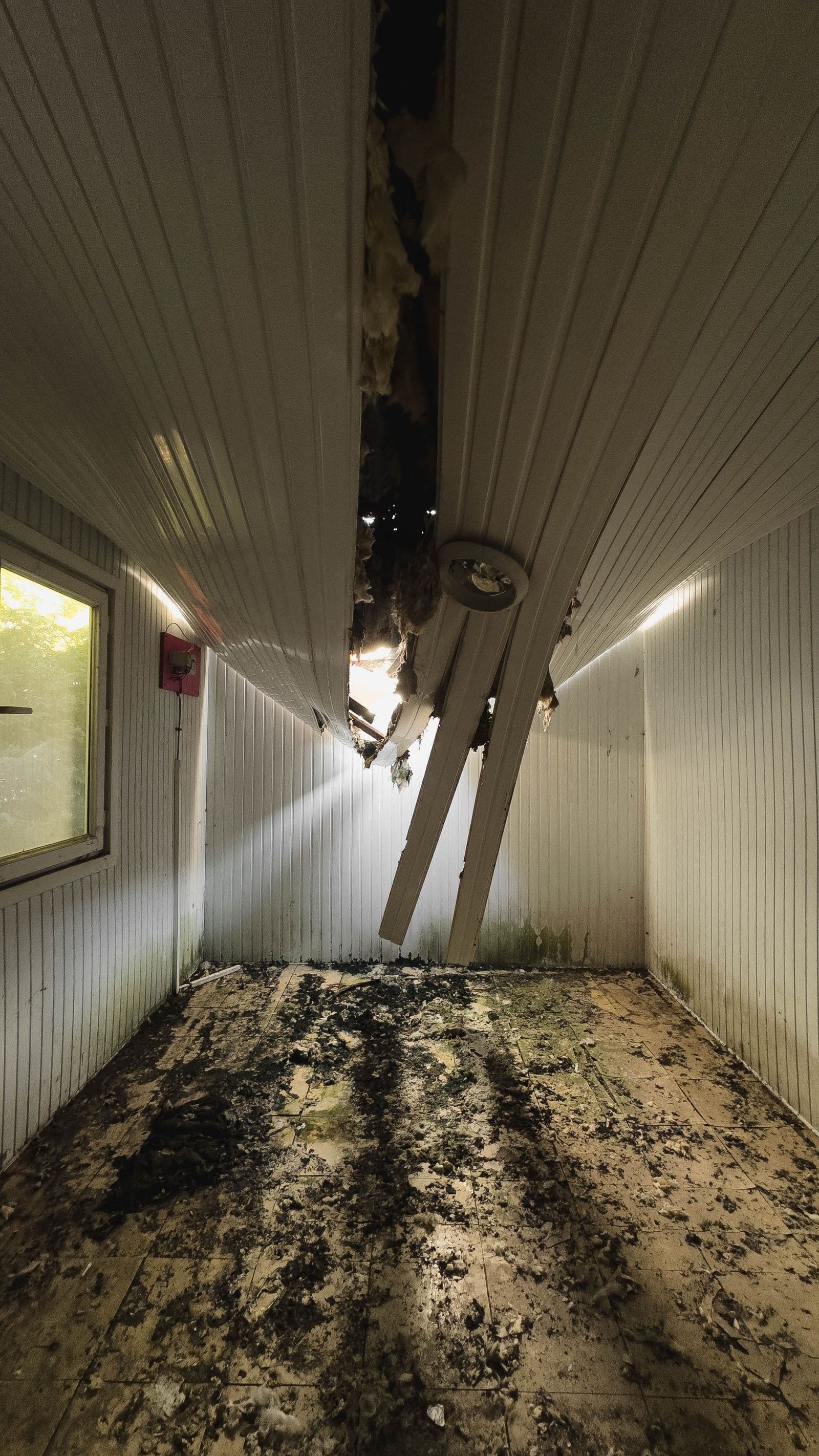
Water damage restoration removes standing water, dries the structure to a measured dry standard, and repairs or replaces what can't be saved.
Learn more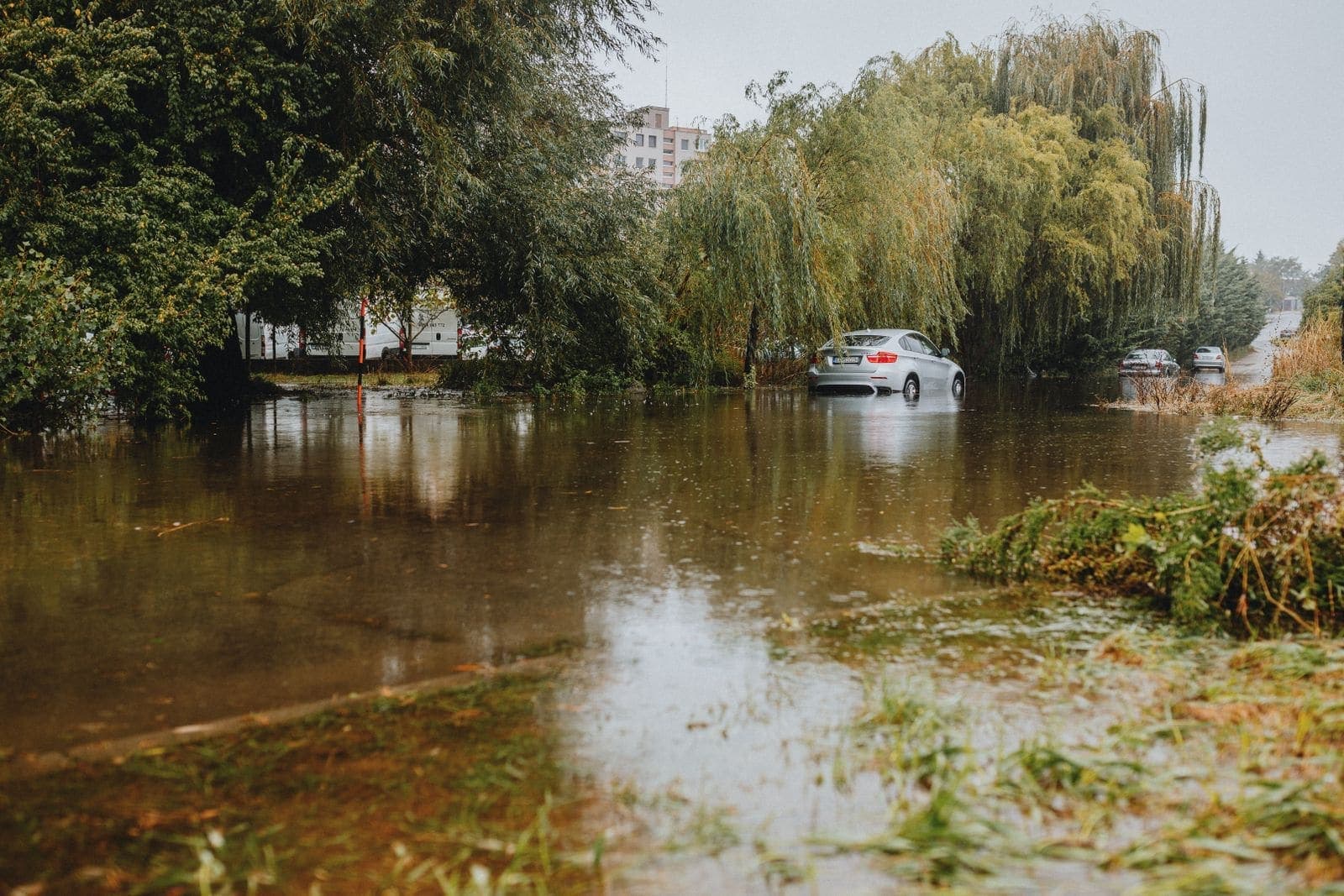
Emergency water extraction
Water extraction is the first step of any water loss: removing standing and absorbed water with powerful pumps and extractors before drying starts.
Learn more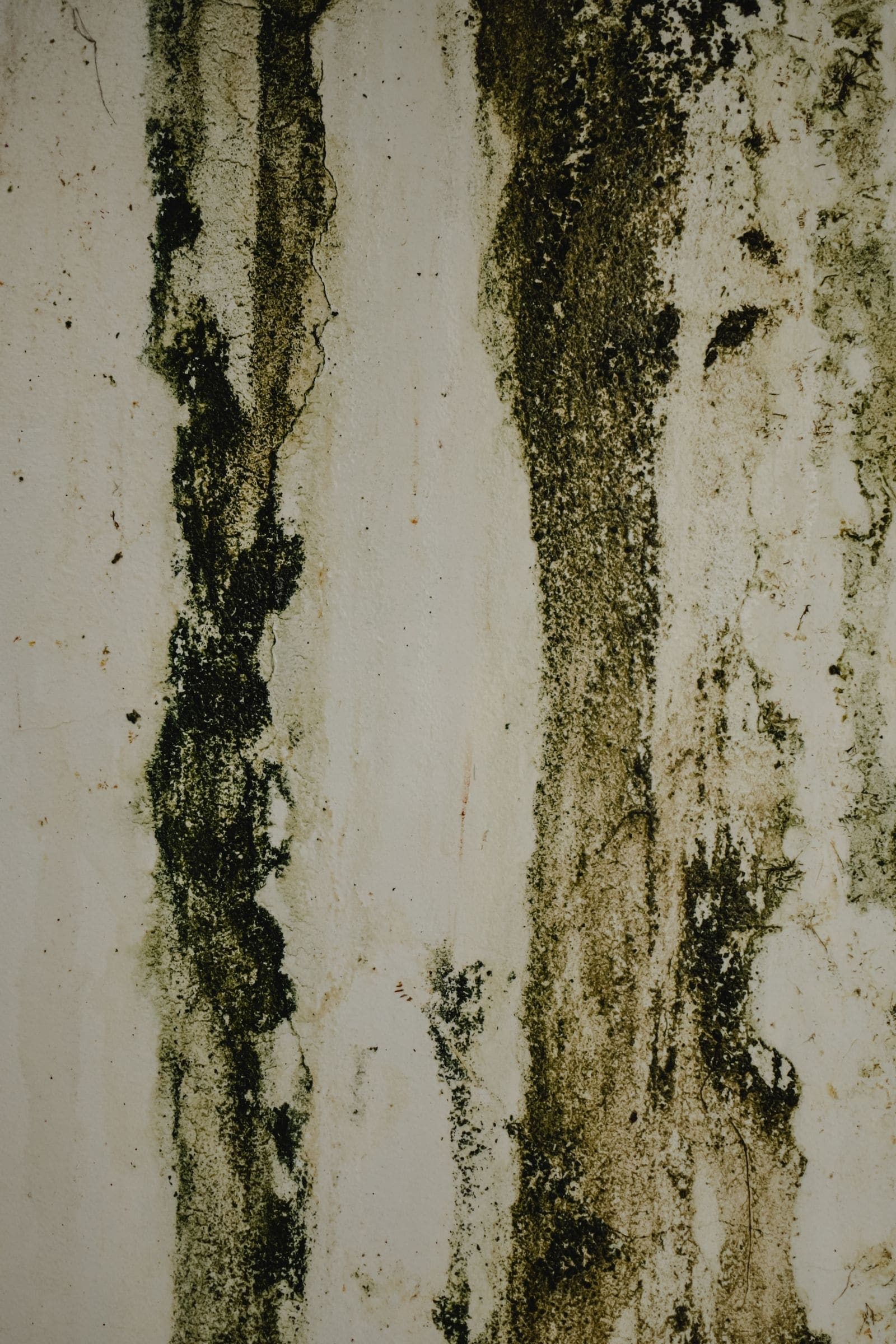
Mold remediation
Mold remediation removes mold growth under containment so spores don't spread, cleans or discards affected materials, and corrects the moisture problem that let it grow.
Learn moreWater, mold or fire damage? Get the right crew on it.
One call connects you with an independent restoration company that serves your ZIP code. Fast call-back during business hours.