
Northeast · DC
Water damage & mold help in Washington, D.C.
Washington, D.C. is a city of rowhouses, apartment buildings and condos, many more than a century old. Shared walls and stacked units mean a leak rarely stays in one home. Basements, including English basement apartments, are the most common place for water damage after heavy storms.
- Climate
- Humid summers with intense thunderstorms, cool winters, and occasional remnants of tropical storms.
- Partner coverage
- 295 ZIPs in 4 communities
Main water, mold and storm risks in Washington, D.C.
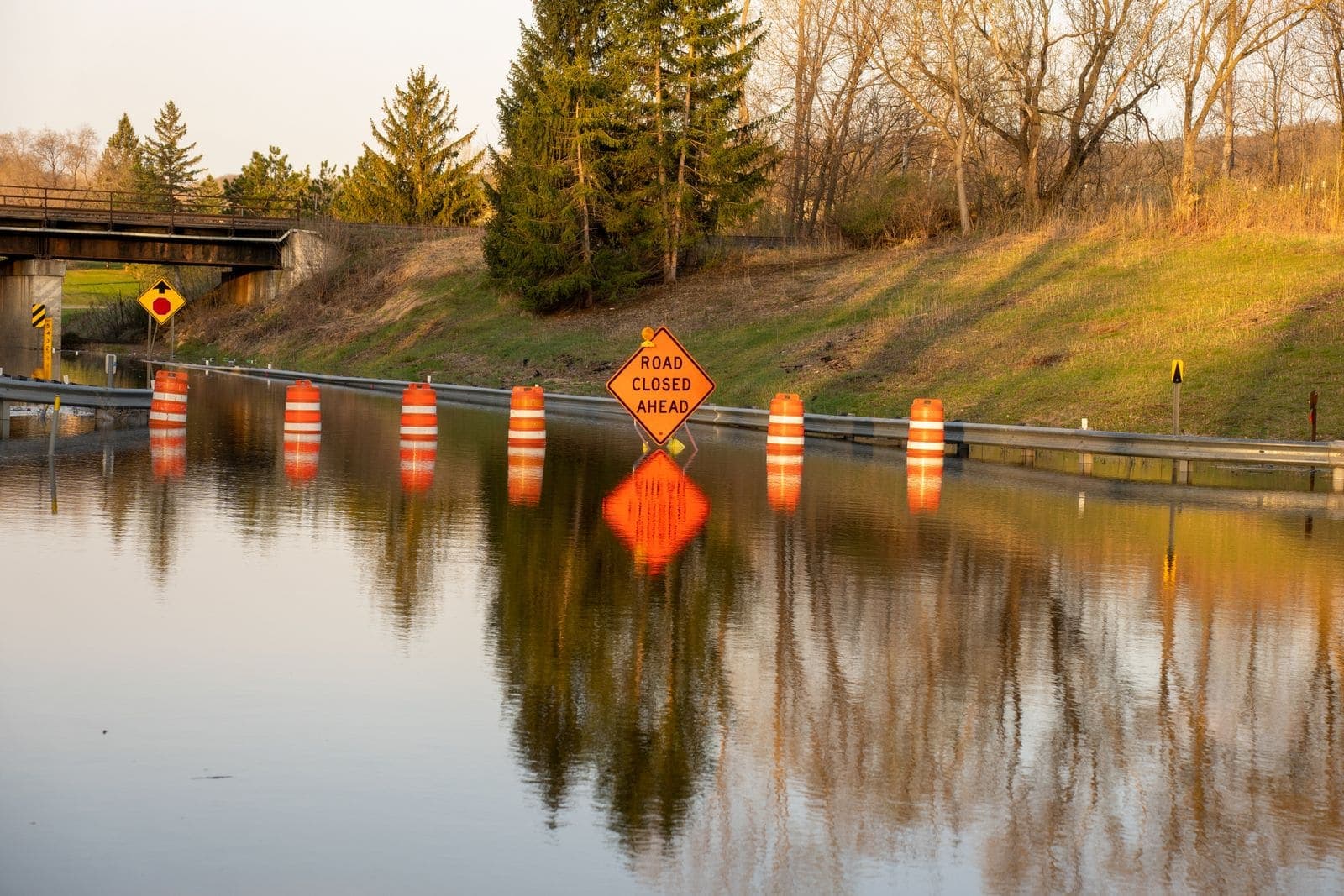
Basement flooding in storms
Short, intense summer thunderstorms overwhelm drainage, and water enters basements through floor drains, window wells and foundation cracks. Older parts of the city are served by a combined sewer system, where heavy rain can push sewage back up through low drains.
Rowhouse and condo leaks
Water from a neighbor's bathroom, roof or failed supply line travels through shared walls and ceilings. Condo losses involve both the association's master policy and the unit owner's policy.
Aging plumbing
Century-old homes may still have galvanized supply lines, cast-iron stacks and clay sewer laterals that crack or corrode.
Washington, D.C. at a glance
- Housing
- Victorian and early-1900s rowhouses dominate neighborhoods like Capitol Hill, Shaw and Petworth. Plaster walls, original hardwood and below-grade apartments affect how water damage is dried and repaired.
- Contractor licensing
- D.C. requires home improvement contractors to hold a license from the Department of Licensing and Consumer Protection (DLCP). Ask for the license number before signing.
- Restoration coverage
- Restoration partner coverage in Washington, D.C. is limited right now. Send a request and we'll check whether a company serves your ZIP.
- Availability
- Fast call-back during business hours
Seasonal prevention checklist for Washington, D.C.
Before summer storms
Clear window wells and area drains, test the sump pump, and consider a backwater valve on the sewer line.
Year-round
Know your building's shutoff valves and keep your condo association's contact handy for leaks.
Winter
Keep heat on in vacant rowhouses and insulate pipes along exterior walls.
Restoration services in Washington, D.C.
Water damage
Mold removal
Fire & smoke damage
Sewage & biohazard
Cities in Washington, D.C.
Partner coverage includes Naval Anacost Annex, Parcel Return Service, Washington, Washington Navy Yard, and other communities. If your town isn't listed, send a request with your ZIP.
Washington, D.C. questions
What should I do if sewage backs up into my D.C. basement?
Stop using water, keep people away from the area, and call a plumber and a restoration company. Sewage is Category 3 water, so porous materials it touched are usually removed. A backwater valve can reduce future risk.
Who pays when water from a neighbor's unit damages my D.C. condo?
It depends on the condo documents and where the leak started. The association's master policy usually covers common elements, and your HO-6 policy covers your unit's interior and contents.
Helpful guides
Neighboring states
Water, mold or fire damage in Washington, D.C.? Get the right crew on it.
One call connects you with an independent restoration company that serves your ZIP code. Fast call-back during business hours.