
Mold removal
Mold inspection and testing
A mold inspection looks for visible growth, hidden moisture and the conditions causing it, using moisture meters, thermal imaging and, when useful, air or surface samples. States like Texas, Florida, Louisiana and New York license mold assessors.

Testing is most useful when you smell mold but can't see it, after a water loss to confirm the scope, or after remediation to confirm clearance. If you can see mold, the question is usually how much, not whether.
An independent assessor has no stake in the removal job. Texas, Florida and New York rules keep the assessor and the remediator on a project separate, and it's a good practice everywhere.
What you can expect
- One call connects you with an independent restoration company that serves your ZIP code.
- Fast call-back during business hours
- Serving All 50 states + D.C.
- Photo and moisture documentation for insurance
Mold inspection & testing at a glance
- Category
- Mold removal
- Emergency service
- Scheduled visit
- Typical first step
- Visual and moisture survey
- Area
- All 50 states + D.C.
Signs you need mold inspection & testing
- Persistent musty smell with no visible source
- Past leak in walls or ceiling
- Buying or selling a home with water history
- Condensation around ducts and vents
- Health concerns in the household
How the work is done
- 1
Visual and moisture survey
Rooms, attic and HVAC are checked with meters and thermal imaging.
- 2
Sampling if warranted
Air samples compared with an outdoor control, or tape and swab samples from suspect surfaces.
- 3
Lab analysis
Samples go to an accredited lab for spore counts and identification.
- 4
Report and protocol
You get findings and, if remediation is needed, a written protocol.
What affects the cost
Prices depend on the job, so restoration companies quote after an assessment. These factors drive the number:
- Home size
- Number of samples
- Lab turnaround
- Written protocol for remediation
What to do right now
Safe to do yourself
- Check under sinks, around the water heater and the HVAC closet
- Note when and where odors are strongest
Call a professional if…
- You plan a large remediation (some states require a licensed assessor)
- You need documentation for a sale or claim
Mold inspection & testing questions
Are home mold test kits accurate?
Settle-plate kits nearly always grow something because mold spores are everywhere outdoors. Without an outdoor comparison and lab counts, they can't tell you if there's a problem.
How long does mold testing take?
The inspection usually takes one to three hours; lab results typically come back in a few business days.
Where this service is available
Available in all 50 states and D.C. These cities have their own local pages:
Related services
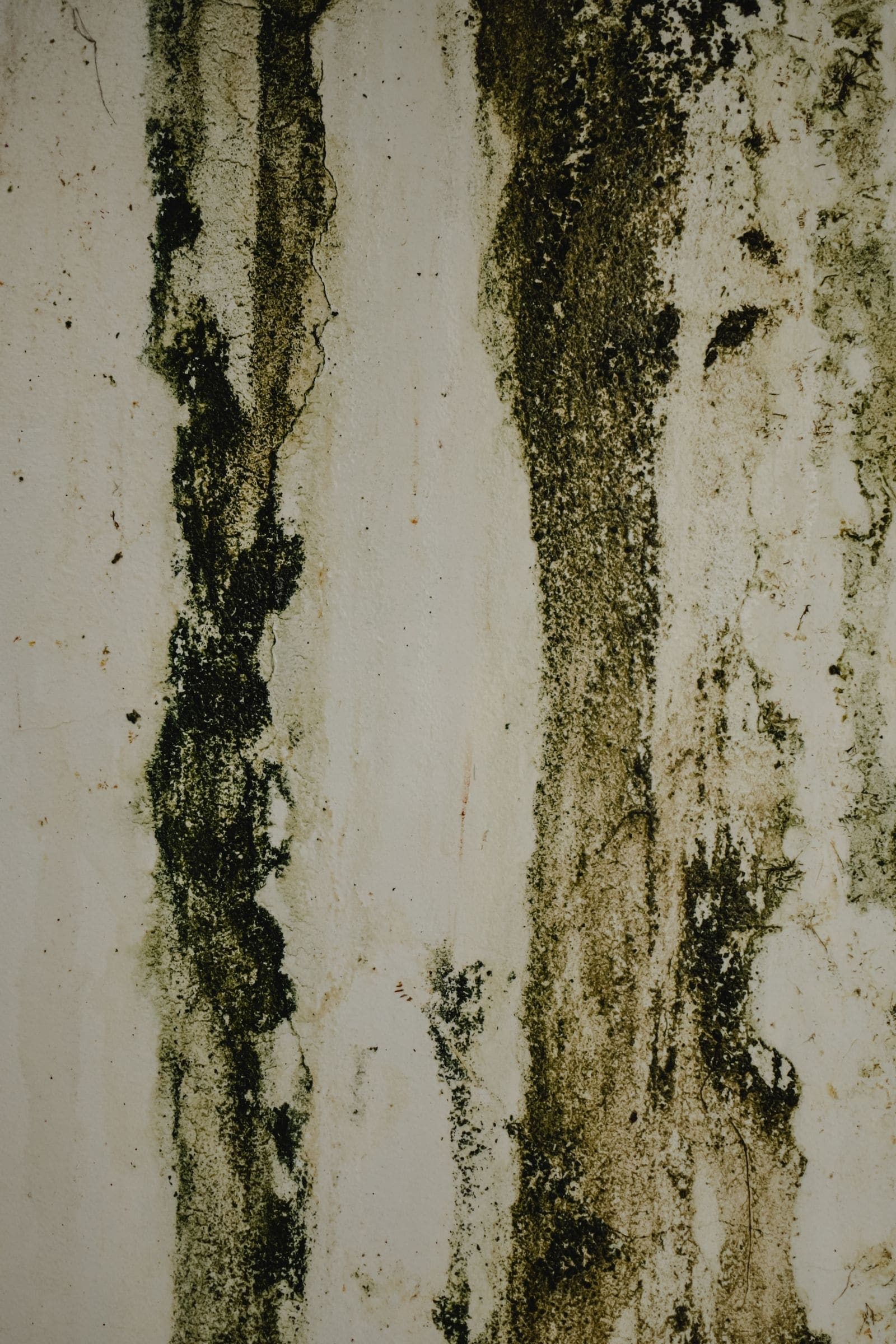
Mold remediation
Mold remediation removes mold growth under containment so spores don't spread, cleans or discards affected materials, and corrects the moisture problem that let it grow.
Learn more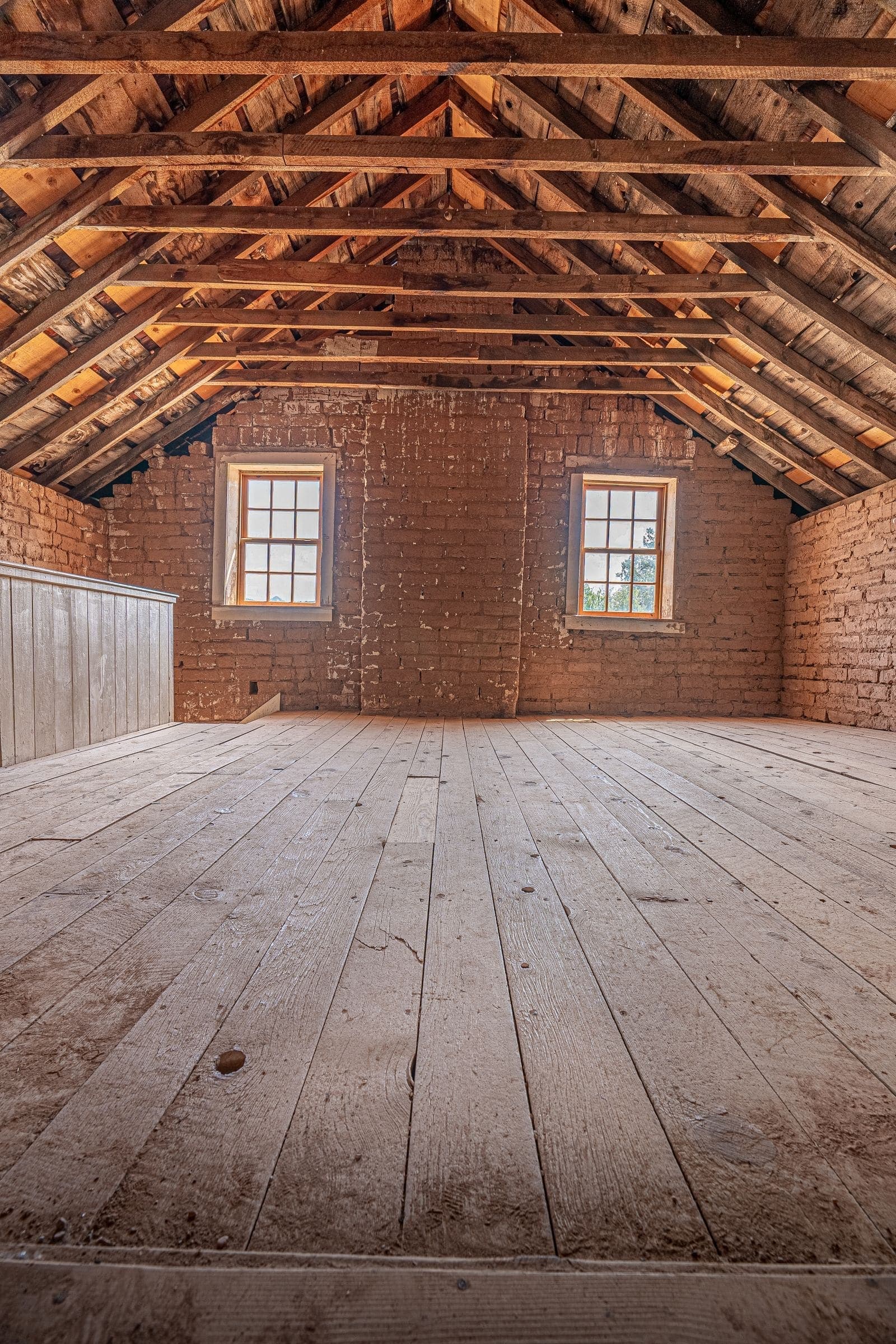
Attic mold removal
Attic mold usually grows on roof decking from condensation, poor ventilation, bathroom fans vented into the attic, or roof and AC leaks.
Learn more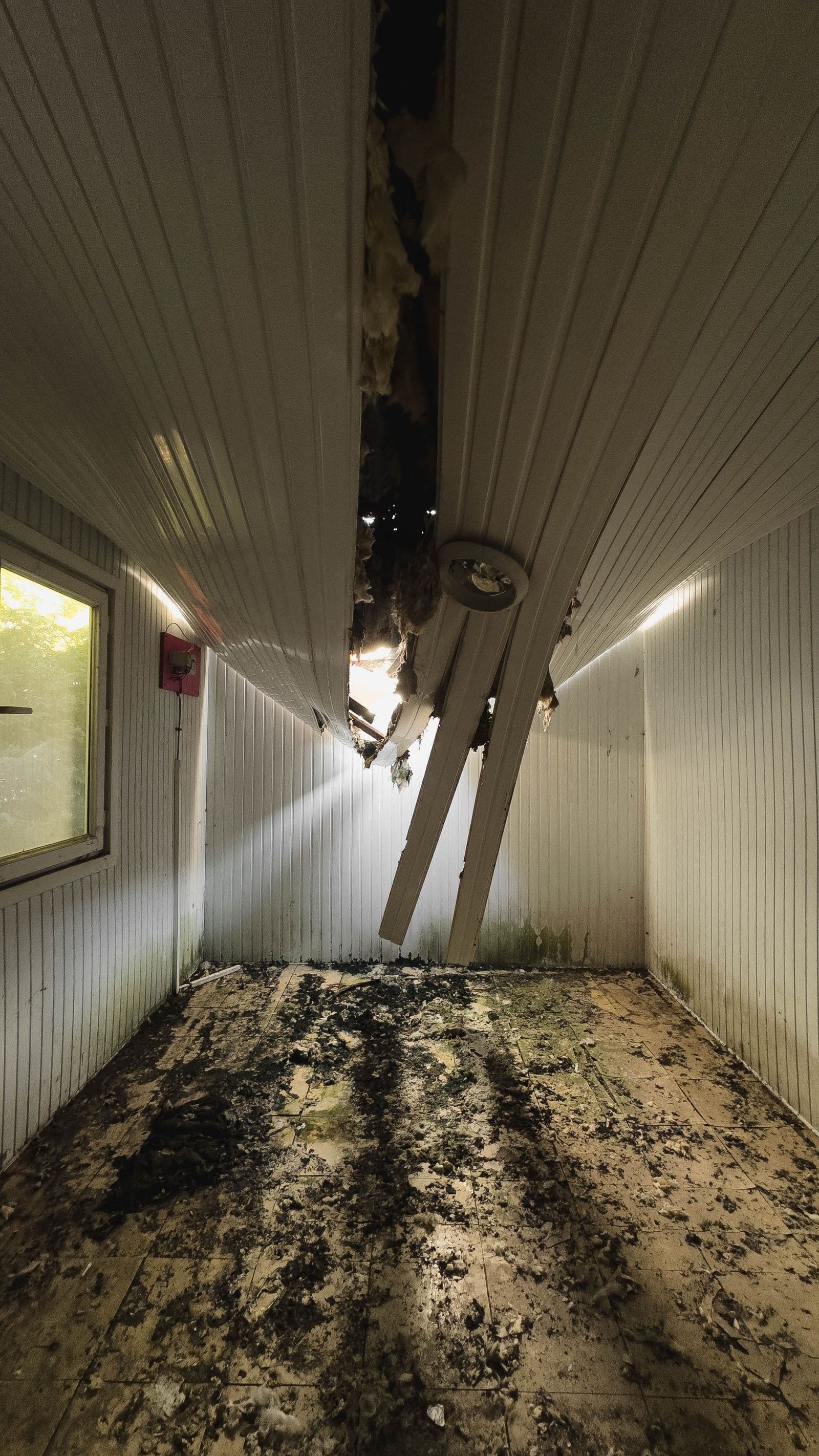
Water damage restoration
Water damage restoration removes standing water, dries the structure to a measured dry standard, and repairs or replaces what can't be saved.
Learn moreWater, mold or fire damage? Get the right crew on it.
One call connects you with an independent restoration company that serves your ZIP code. Fast call-back during business hours.