
Short answer
Texas requires mold assessment and remediation for pay to be done by TDLR-licensed professionals when the project is 25 contiguous square feet or more. The licensed assessor who writes the protocol can't be the same company that removes the mold.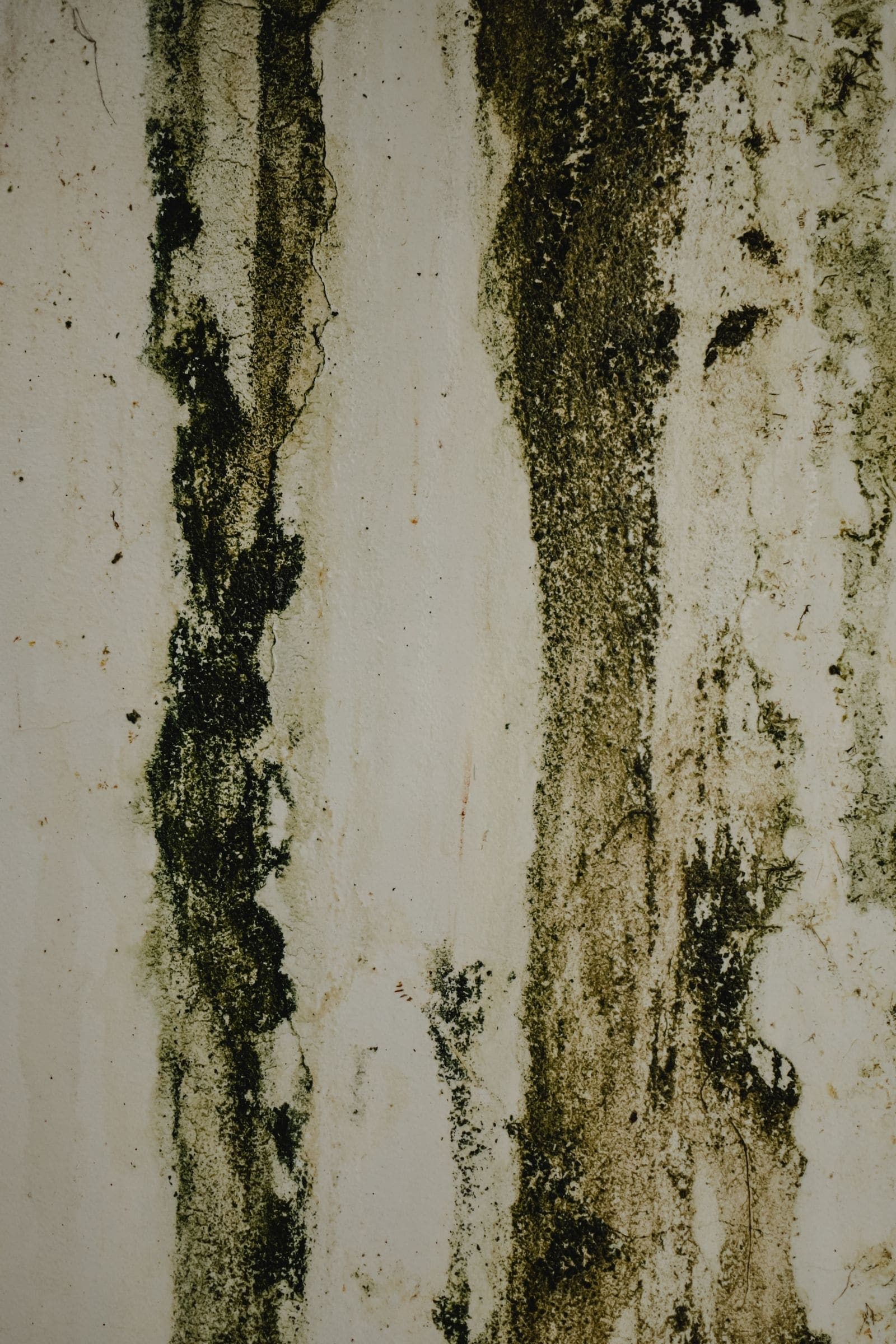
The 25 square foot threshold
Below 25 contiguous square feet, remediation is generally exempt from licensing rules. At or above it, the work requires a licensed mold remediation contractor following a protocol from a licensed assessor.
Why assessor and remediator are separate
The rule prevents a conflict of interest: the company that defines the scope doesn't profit from making it larger. The assessor also performs post-remediation clearance.
What paperwork to expect
A licensed project should include:
- A written remediation protocol from the assessor
- A work plan from the remediator
- A post-remediation assessment and clearance report
- A Certificate of Mold Damage Remediation for the property owner
How to verify a license
Use the TDLR license search at tdlr.texas.gov and search by company or individual name. Mold assessment consultants and remediation contractors are separate license types.
Questions
Can I remove mold myself in Texas?
Homeowners may remediate their own property. The licensing rules apply to people doing mold work for pay. Large areas still carry health risks, so professional removal is recommended.
Why does the Certificate of Mold Damage Remediation matter?
It documents that the work met Texas rules, which helps when you sell the home or deal with insurance.
Editorial note: this guide is general information for Texas homeowners, not legal or insurance advice. Your policy and local codes decide what applies to you.