
Northeast · VT
Water damage & mold help in Vermont
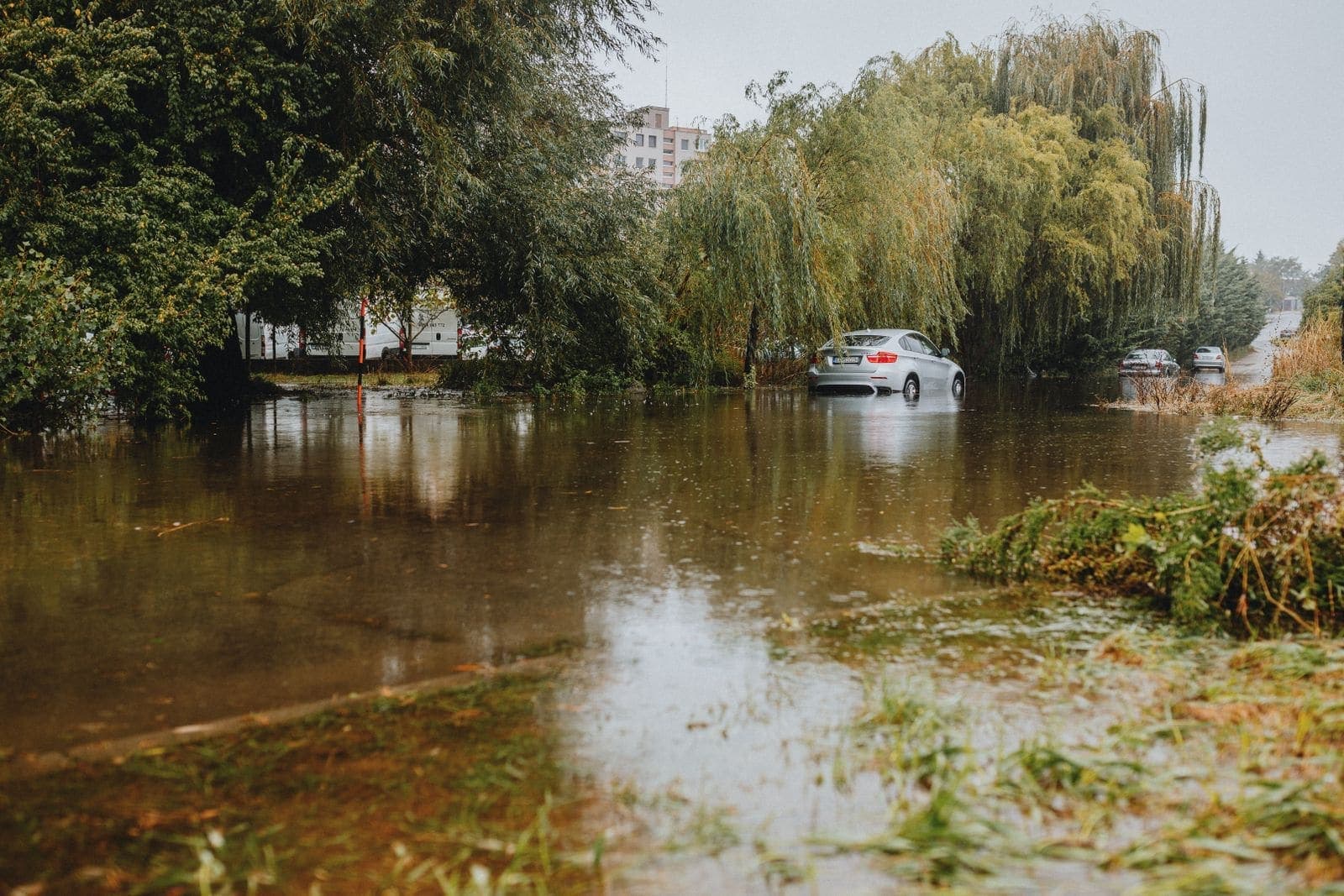
Vermont's towns sit in river valleys, which makes flooding the defining water risk. Tropical Storm Irene in 2011 and the July 2023 floods that inundated Montpelier and other towns showed how fast valley rivers rise. Old farmhouses, village homes and seasonal properties face freeze and ice-dam damage in winter too.
- Climate
- Cold, snowy winters, mud season in spring, and heavy summer rain in narrow river valleys.
- Partner coverage
- 309 ZIPs in 290 communities
Main water, mold and storm risks in Vermont
River and flash flooding
Steep terrain funnels heavy rain into rivers that rise quickly, flooding valley towns and roads.
Frozen pipes and ice dams
Long, deep cold freezes pipes in older homes and seasonal properties, and heavy snow creates ice dams.
Basement moisture
Spring snowmelt and mud season bring groundwater into older foundations.
Ice dams
Heavy snow and long winters create ice dams on older Vermont homes, pushing meltwater into walls and ceilings.
Vermont at a glance
- Housing
- Older homes often have stone foundations, wood or oil heat, and private wells and septic systems.
- Contractor licensing
- Vermont requires residential contractors doing work over $10,000 to register with the Office of Professional Regulation. Ask for the registration and insurance.
- Restoration coverage
- Restoration partners currently bid on 17 Vermont ZIP codes (LeadSmart coverage data, 2026-10-05).
- Availability
- Fast call-back during business hours
Seasonal prevention checklist for Vermont
Before winter
Insulate pipes and winterize seasonal homes.
Spring and summer
Review flood coverage if you're in a river valley, and keep important items off basement floors.
Mud season
Keep drainage clear and watch for basement seepage.
Restoration services in Vermont
Water damage
Mold removal
Fire & smoke damage
Sewage & biohazard
Cities in Vermont
Partner coverage also includes South Burlington, Rutland, Essex Junction, Barre, Winooski, Montpelier, Saint Albans, St. Albans, Newport, White River Junction, and other communities. If your town isn't listed, send a request with your ZIP.
Vermont questions
What should I do after floodwater enters a Vermont home?
Treat it as contaminated water. Remove wet drywall and insulation above the waterline, clean and disinfect, and dry the structure thoroughly before rebuilding.
Do Vermont contractors need to register?
Residential contractors doing jobs over $10,000 must register with the Vermont Office of Professional Regulation.
Helpful guides
Neighboring states
Water, mold or fire damage in Vermont? Get the right crew on it.
One call connects you with an independent restoration company that serves your ZIP code. Fast call-back during business hours.