
Short answer
Stop the water at the main shutoff, cut power to wet areas if it's safe, photograph everything, move valuables, and get extraction started within 24 hours. Speed matters most because materials that dry fast are usually saved.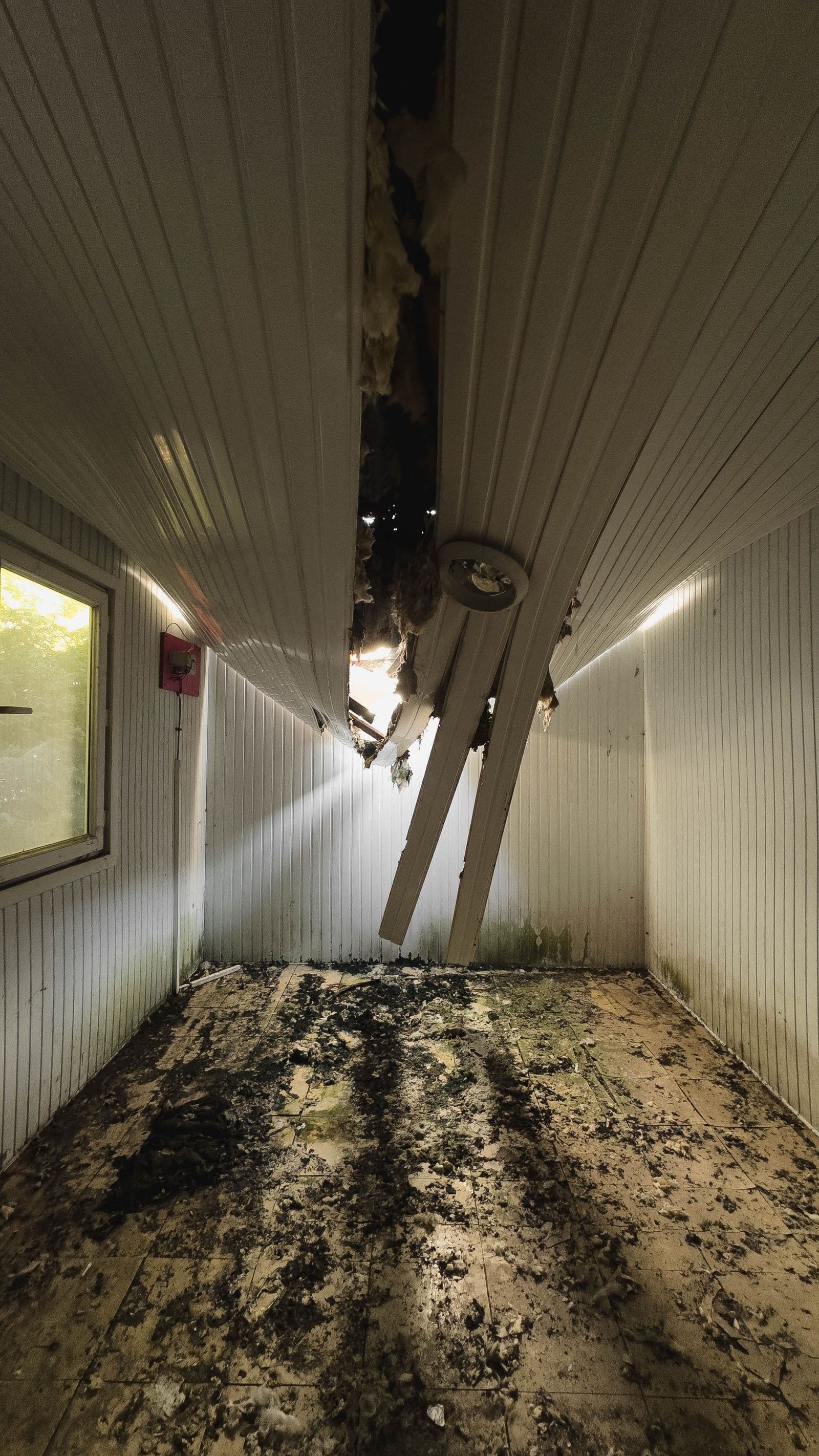
1. Stop the water
Find the main shutoff. In most Texas slab homes it's in the meter box near the street, and many homes also have a valve in the garage or near the water heater. For a toilet or sink, use the small valve on the wall behind it.
- Turn the valve clockwise until it stops
- Open a low faucet to drain pressure
- Turn off the water heater if its tank is leaking
2. Make it safe
Water and electricity are the biggest danger. If water is near outlets, cords or the panel, turn off the breaker for that area from a dry spot. If you have to stand in water to reach the panel, don't; call the utility or an electrician.
3. Document before you clean
Your insurance claim depends on photos and video taken before anything is moved or thrown away.
- Wide shots of each room, then close-ups
- The source: the failed line, appliance or ceiling
- Serial numbers on damaged appliances and electronics
- Waterlines on walls
4. Protect what you can
Lift furniture off wet carpet onto foil or wood blocks, move rugs, books and photos to a dry room, and hang wet drapes. Run the AC to lower humidity, and keep windows closed in humid weather.
5. Call for extraction and drying
Within 24–48 hours, wet drywall and wood start supporting mold, especially in Houston's humidity. A restoration crew extracts water, maps hidden moisture, and sets drying equipment the same day.
When to call a professional right away
Call a restoration company immediately if water came from a toilet, drain or outside floodwater; if more than one room is wet; if a ceiling is sagging; or if water got inside walls.
Questions
Should I call my insurance company or a restoration company first?
Stop the water and protect the home first, then call both. Most policies require you to prevent further damage, so mitigation shouldn't wait for an adjuster.
Can I use a shop vac for water damage?
For a small clean-water spill on hard floors, yes. For wet carpet, multiple rooms or contaminated water, a shop vac can't remove enough water, and drying will take far longer.
Editorial note: this guide is general information for Texas homeowners, not legal or insurance advice. Your policy and local codes decide what applies to you.