
Short answer
Most Texas homeowners policies cover sudden, accidental water damage like a burst pipe or failed water heater. They usually exclude flooding from outside, slow long-term leaks and, without an endorsement, sewer backups. Your policy's wording decides, so read the water section and any endorsements.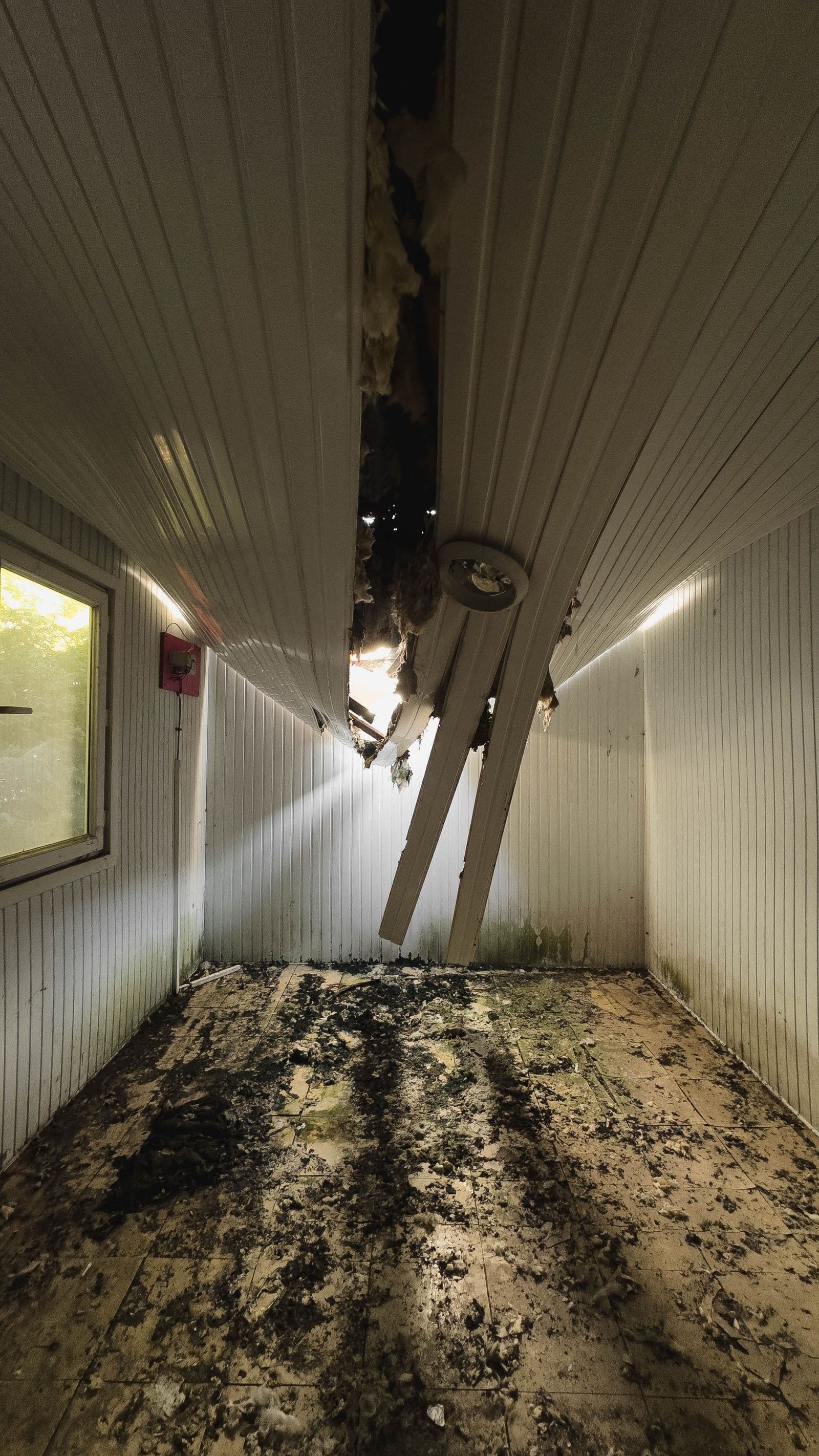
What's usually covered
Sudden and accidental discharge of water from plumbing, appliances or HVAC systems.
- Burst or frozen pipes
- Failed water heater or washing machine hose
- AC condensate overflow
- Water from firefighting
What's usually excluded
These are the most common reasons water claims are denied or limited.
- Rising floodwater from outside (needs flood insurance)
- Leaks that happened slowly over weeks or months
- Sewer and drain backups without a water backup endorsement
- Mold beyond a set limit, unless caused by a covered loss
Flood is a separate policy
Flood insurance comes from the National Flood Insurance Program (NFIP) or private carriers. NFIP policies usually have a 30-day waiting period, so buying one when a storm is forecast is too late.
How to document a claim
Adjusters rely on evidence. Take photos and video before cleanup, keep damaged items until the adjuster sees them or says otherwise, and keep every receipt. Restoration companies provide moisture logs and photo reports that show what was wet and how it was dried.
Mitigation is your responsibility
Policies require you to take reasonable steps to prevent further damage. Starting extraction and drying quickly protects your claim; waiting can give an insurer grounds to limit it.
Questions
Does Texas homeowners insurance cover slab leaks?
Many policies cover the water damage from a sudden slab leak and the cost to tear out and replace the slab or floor to reach the pipe, but not the pipe repair itself. Check the 'access' or 'tear-out' language.
Will a water damage claim raise my premium?
It can. Texas insurers may consider claim history at renewal. Small losses close to your deductible are sometimes better paid out of pocket, so get an estimate first.
Editorial note: this guide is general information for Texas homeowners, not legal or insurance advice. Your policy and local codes decide what applies to you.