
Northeast · CT
Water damage & mold help in Connecticut
Connecticut's housing is old by national standards. Colonials, capes and multi-family homes built before 1950 are common, and many have fieldstone or poured basements. Water damage usually comes from three places: freezing pipes in exterior walls, ice dams on roofs, and groundwater or storm runoff finding its way into basements.
- Climate
- Cold, snowy winters and humid summers, with nor'easters and the remnants of tropical storms.
- Partner coverage
- 433 ZIPs in 277 communities
Main water, mold and storm risks in Connecticut
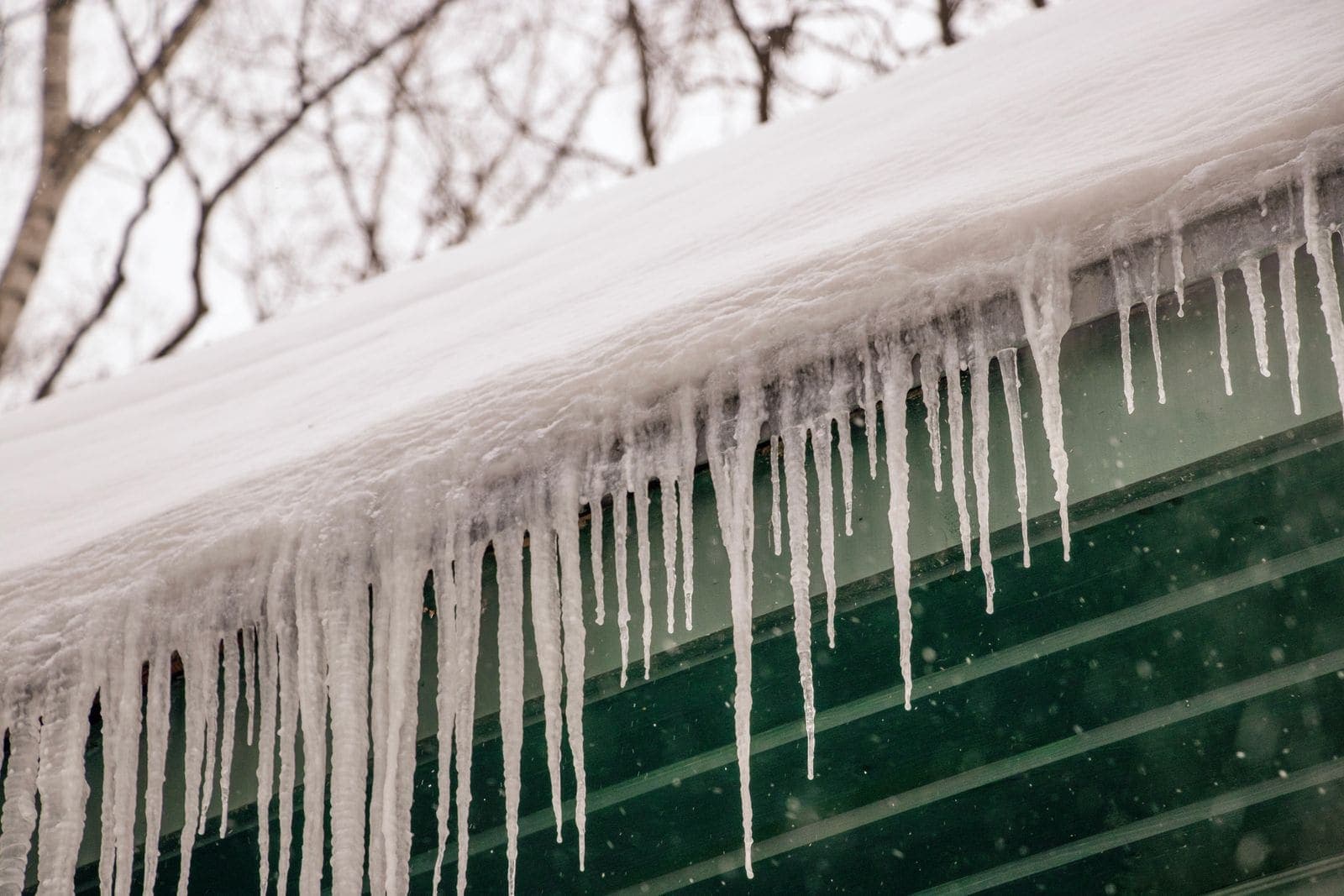
Ice dams and roof leaks
Heat escaping into poorly insulated attics melts roof snow, which refreezes at the eaves and backs water under shingles. The leak often shows up as stained ceilings along exterior walls after a thaw.
Basement water
Heavy rain and spring snowmelt raise groundwater, and older foundations without interior drains or sump pumps take on water. Damp basements are also the most common place for mold.
Tropical storm remnants
Late-summer storms tracking up the coast bring heavy rain and wind. Shoreline towns can see surge, and inland river valleys can flood.
Connecticut at a glance
- Housing
- Much of the state's housing predates modern insulation and plumbing codes. Galvanized supply lines, cast-iron drains and older oil-fired heating systems are still common, and each can fail in a way that leads to water or soot damage.
- Contractor licensing
- Connecticut requires home improvement contractors to register with the Department of Consumer Protection (DCP). Ask for the registration number before work starts.
- Restoration coverage
- Restoration partners currently bid on 374 Connecticut ZIP codes (LeadSmart coverage data, 2026-10-05).
- Availability
- Fast call-back during business hours
Seasonal prevention checklist for Connecticut
Before winter
Insulate and air-seal the attic, clean gutters, and insulate pipes on exterior walls.
After big snowstorms
Rake snow off the lower roof edge to prevent ice dams.
Spring
Test the sump pump and keep downspouts extended away from the foundation.
Restoration services in Connecticut
Water damage
Mold removal
Fire & smoke damage
Sewage & biohazard
Cities in Connecticut
Partner coverage also includes West Hartford, Bridgeport, East Haven, Waterbury, Danbury, Norwich, Taftville, Yantic, Stamford, Norwalk, and other communities. If your town isn't listed, send a request with your ZIP.
Connecticut questions
How do I stop ice dams in Connecticut?
Air-seal and insulate the attic so heat doesn't reach the roof deck, keep gutters clear, and rake snow off the lower roof edge after big storms. Ice and water shield under shingles at the eaves limits leaks.
How do I check a restoration contractor in Connecticut?
Look up their home improvement contractor registration with the Connecticut Department of Consumer Protection, and ask for proof of insurance and IICRC certification.
Helpful guides
Neighboring states
Water, mold or fire damage in Connecticut? Get the right crew on it.
One call connects you with an independent restoration company that serves your ZIP code. Fast call-back during business hours.