
Short answer
You can safely ventilate, change HVAC filters and launder washable fabrics, but avoid wiping soot with water or household cleaners, which smears it into surfaces. Soot spread beyond one room, smoke in the HVAC or a lingering odor all call for professional cleaning.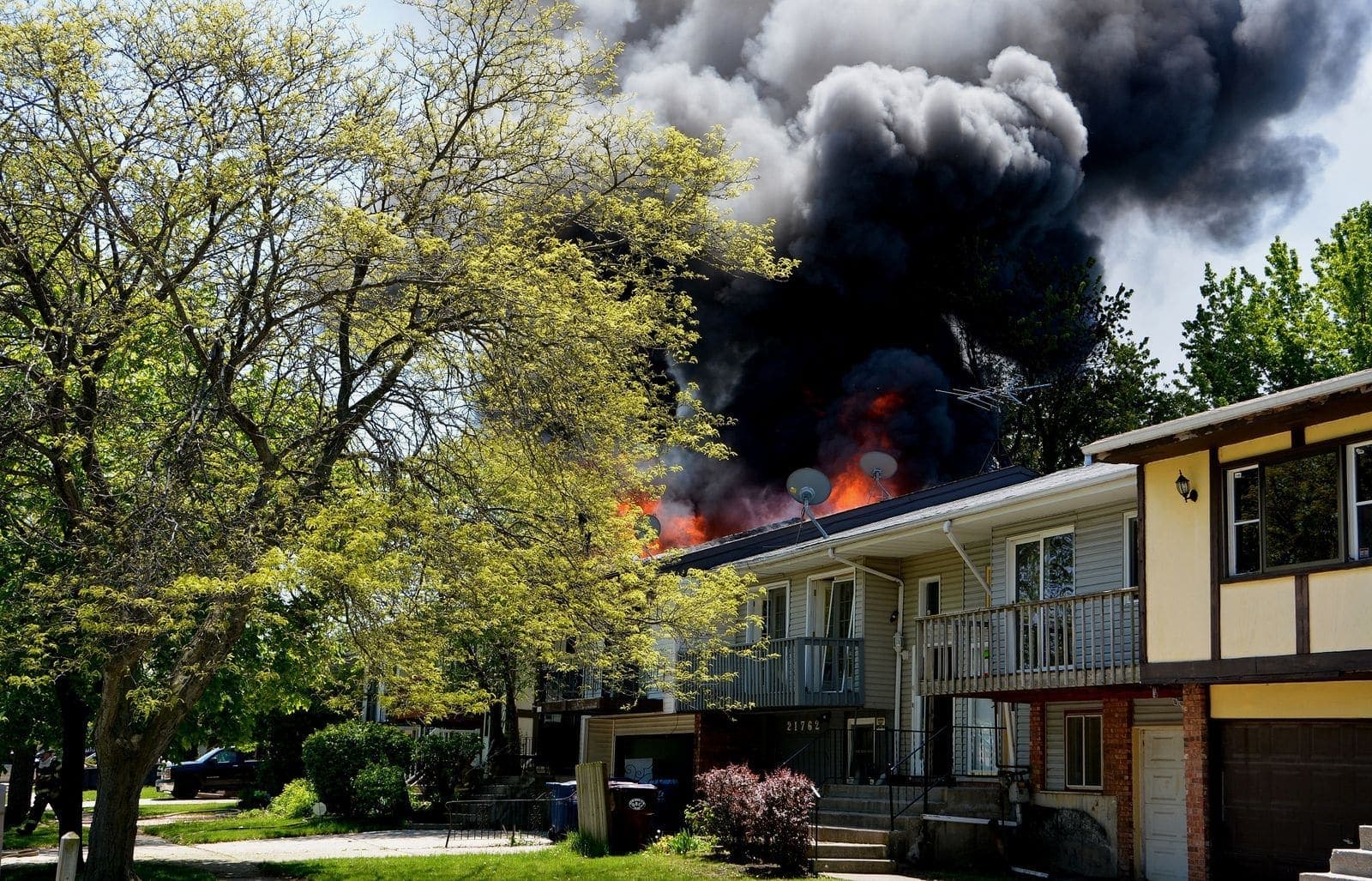
Right after the fire
Wait until the fire department says the home is safe to enter. Photograph everything before cleaning, and keep the HVAC off until filters are changed and ducts are checked.
What not to do
Common mistakes that make smoke damage worse:
- Wiping walls with wet rags or all-purpose cleaner
- Running the HVAC with a sooty filter
- Turning on smoke-exposed electronics
- Eating food that was exposed to smoke or heat
What professionals do differently
Restoration crews identify the soot type, remove it dry first with HEPA vacuums and chemical sponges, then wet-clean with surface-specific cleaners and treat odor at the source.
Questions
How long does smoke smell last?
Without cleaning, it can last months or longer because residue keeps releasing odor. Proper cleaning and deodorization usually removes it within days.
Editorial note: this guide is general information for Texas homeowners, not legal or insurance advice. Your policy and local codes decide what applies to you.