
Emergency water damage
Stop the water, make it safe, document, then get extraction started. Here's the order.
The first five steps
- 1
Shut off the water
Close the main valve. It's usually where the water line enters the house (in a basement) or in the meter box near the street (in slab homes).
- 2
Cut power to wet areas
Flip the breaker for affected rooms from a dry spot. Never stand in water to reach the panel.
- 3
Get people and pets clear
Especially for sewage, floodwater, or a sagging ceiling.
- 4
Photograph everything
Before moving or discarding anything: wide shots, close-ups, the source and any waterline.
- 5
Call for extraction
Removing water in the first 24 hours saves the most drywall, flooring and cabinets.
More detail: what to do in the first hour and sewage backup steps.
Questions
What counts as a water damage emergency?
Water that is still flowing, any sewage or outside floodwater inside the home, a sagging ceiling, or water near electrical outlets and panels. These need immediate action.
Should I wait for my insurance adjuster before starting cleanup?
No. Policies require you to prevent further damage. Stop the water, document it, and start extraction and drying. The adjuster will rely on your photos and the restoration company's moisture logs.
Emergency services
Water damage restoration
Water damage restoration removes standing water, dries the structure to a measured dry standard, and repairs or replaces what can't be saved.
Learn more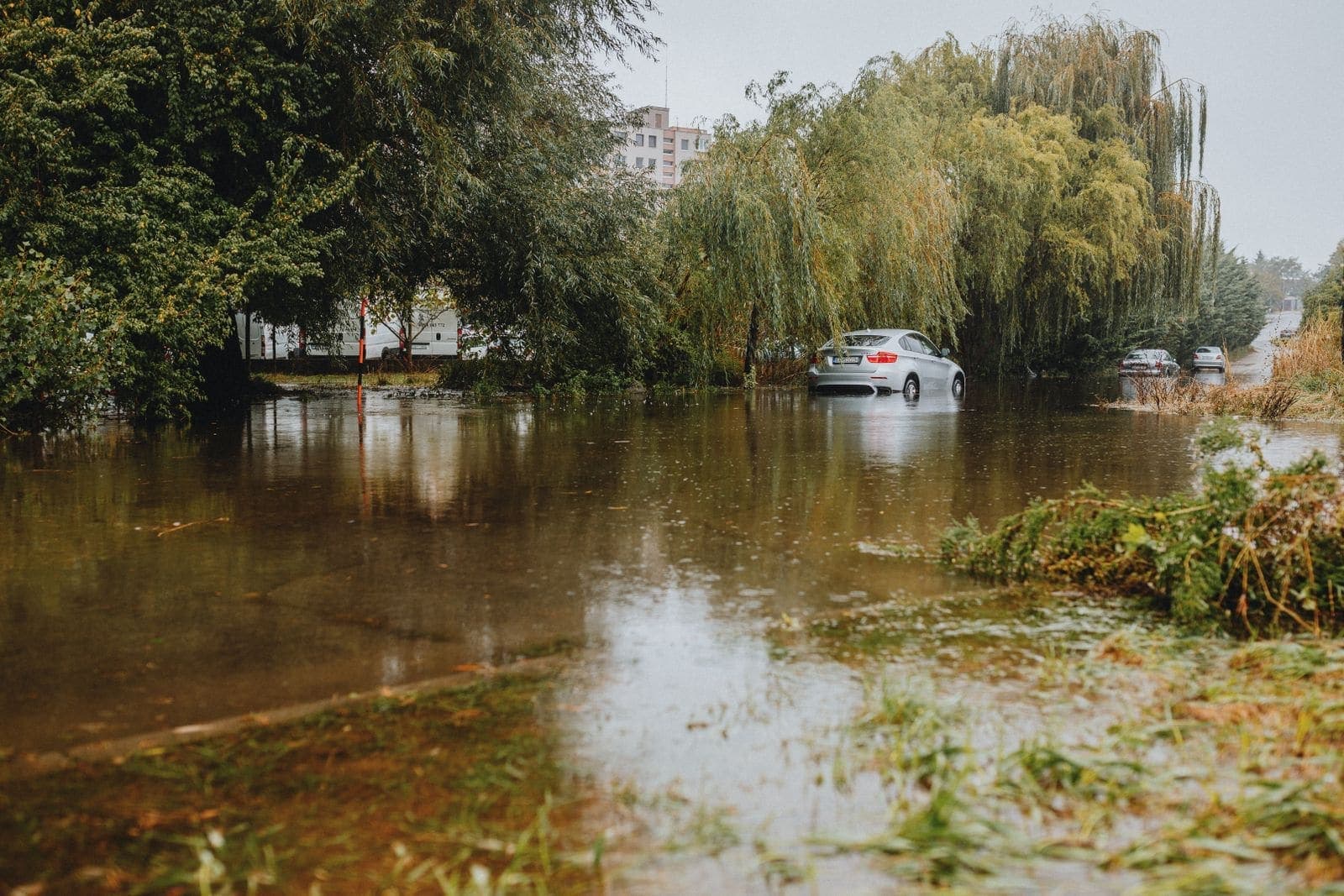
Emergency water extraction
Water extraction is the first step of any water loss: removing standing and absorbed water with powerful pumps and extractors before drying starts.
Learn moreFlood damage cleanup
Flood cleanup treats outside floodwater as contaminated: it removes water and mud, cuts out wet drywall and insulation above the waterline, sanitizes, and dries the structure.
Learn more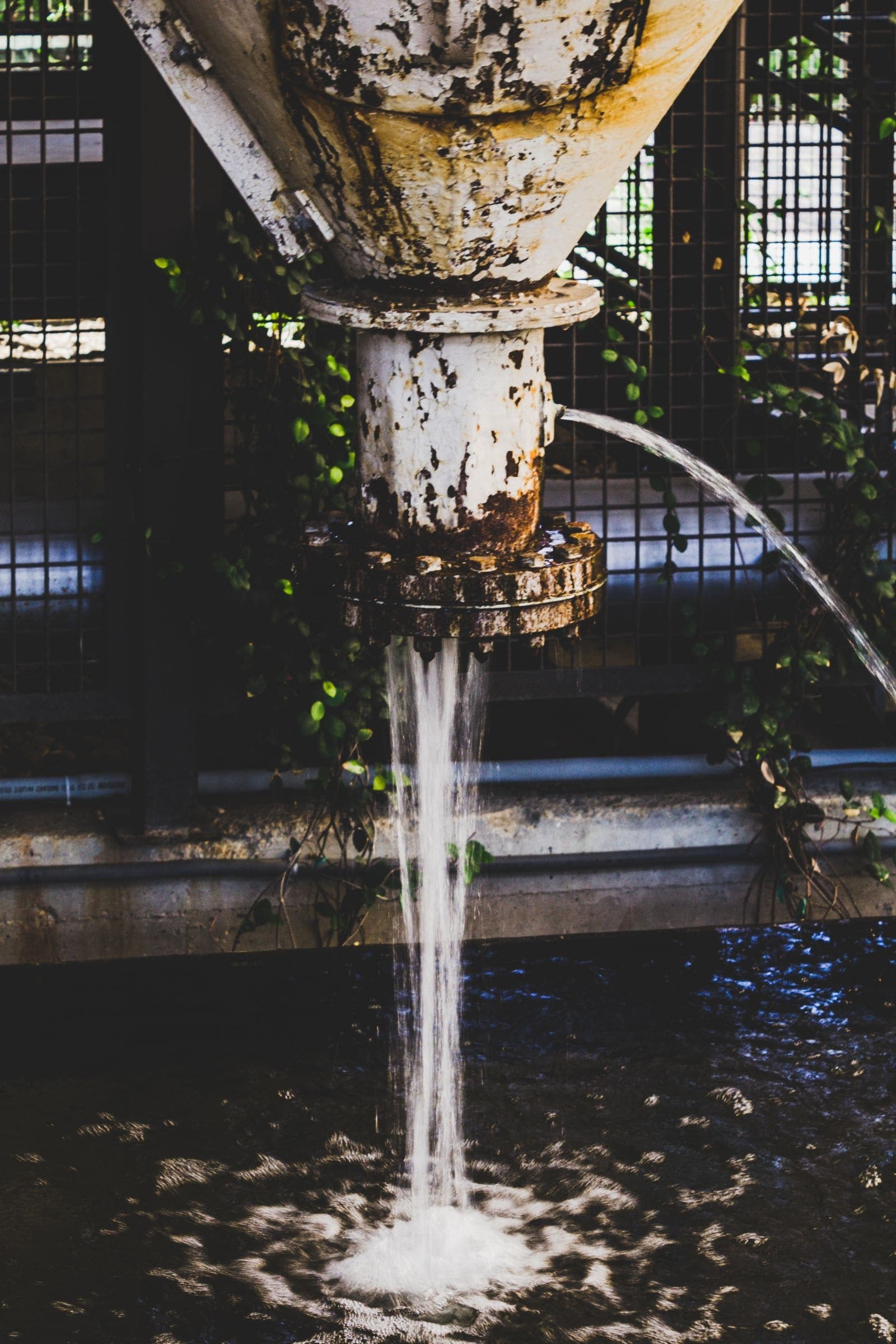
Burst pipe water damage
A burst pipe can release hundreds of gallons an hour, so shutting the main valve comes first, then extraction and drying.
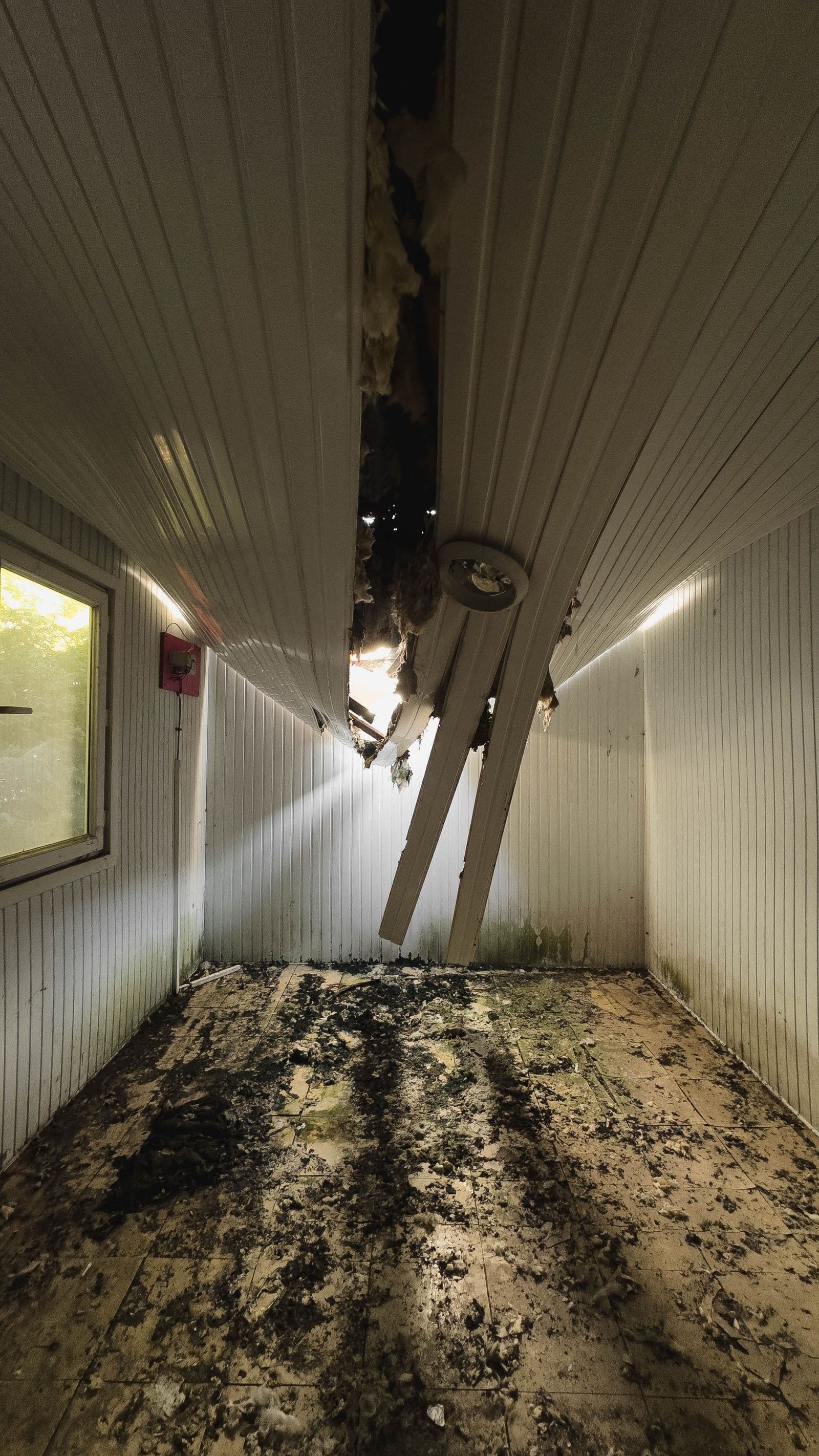
Learn moreCeiling water damage repair
Ceiling water damage is usually caused by a roof leak, an attic AC drain overflowing, or a plumbing line above.
Learn more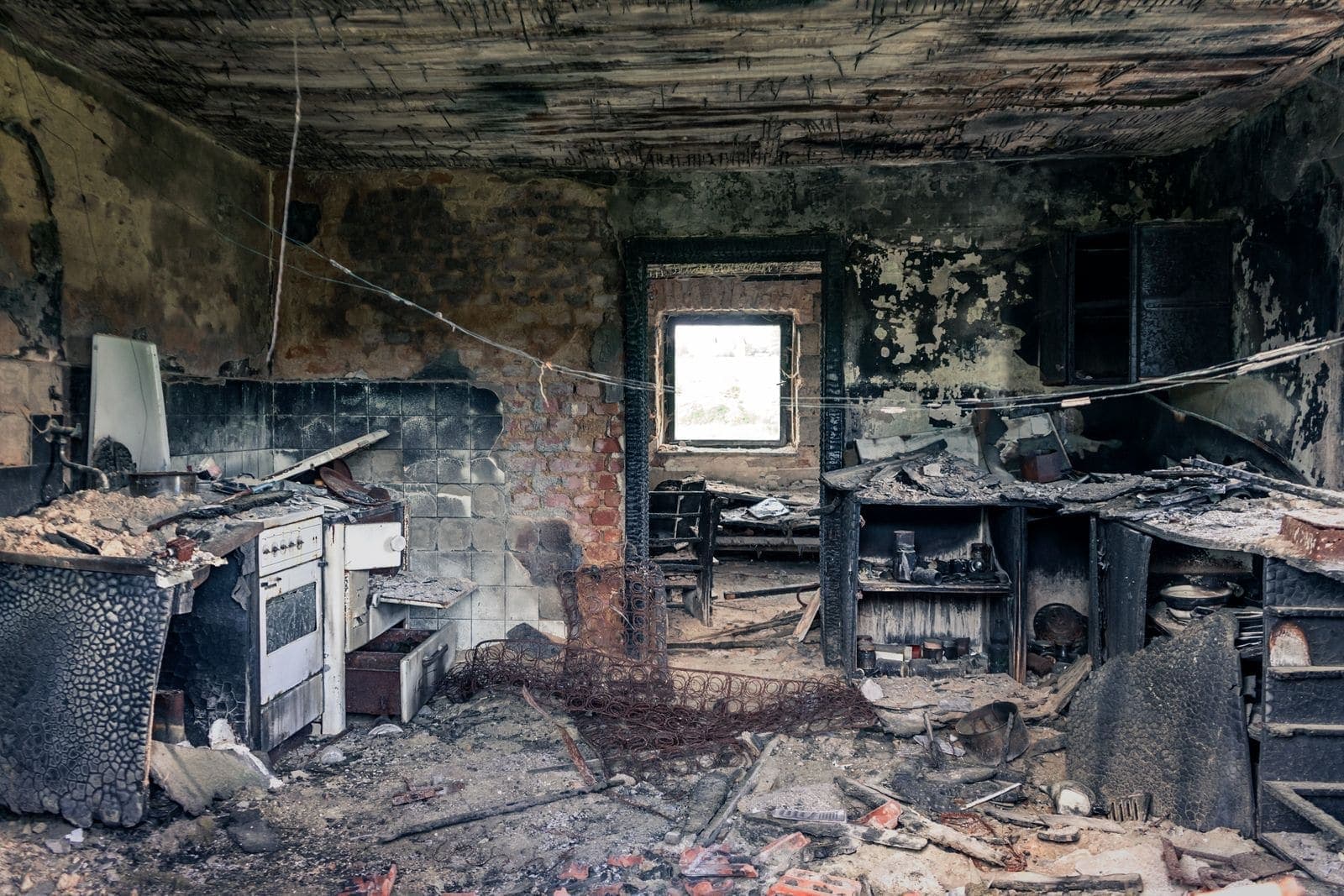
Fire damage restoration
Fire damage restoration secures the property, removes debris, cleans soot from surfaces and contents, removes smoke odor, dries water left by firefighting, and repairs the structure.
Learn more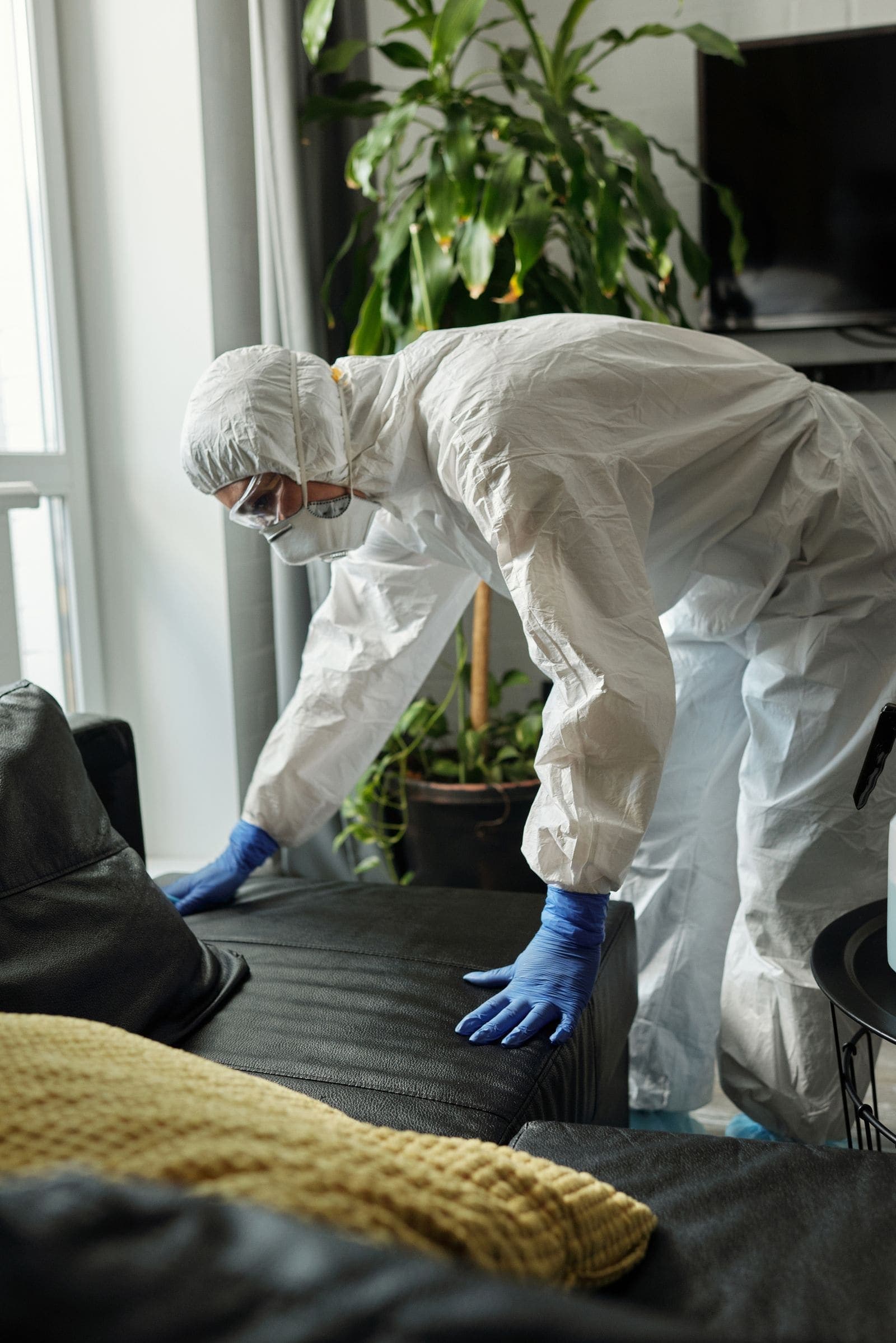
Sewage backup cleanup
Sewage cleanup treats the water as Category 3 (grossly contaminated): crews in protective gear remove it, discard porous materials it touched, clean and disinfect hard surfaces, and dry the structure.
Learn more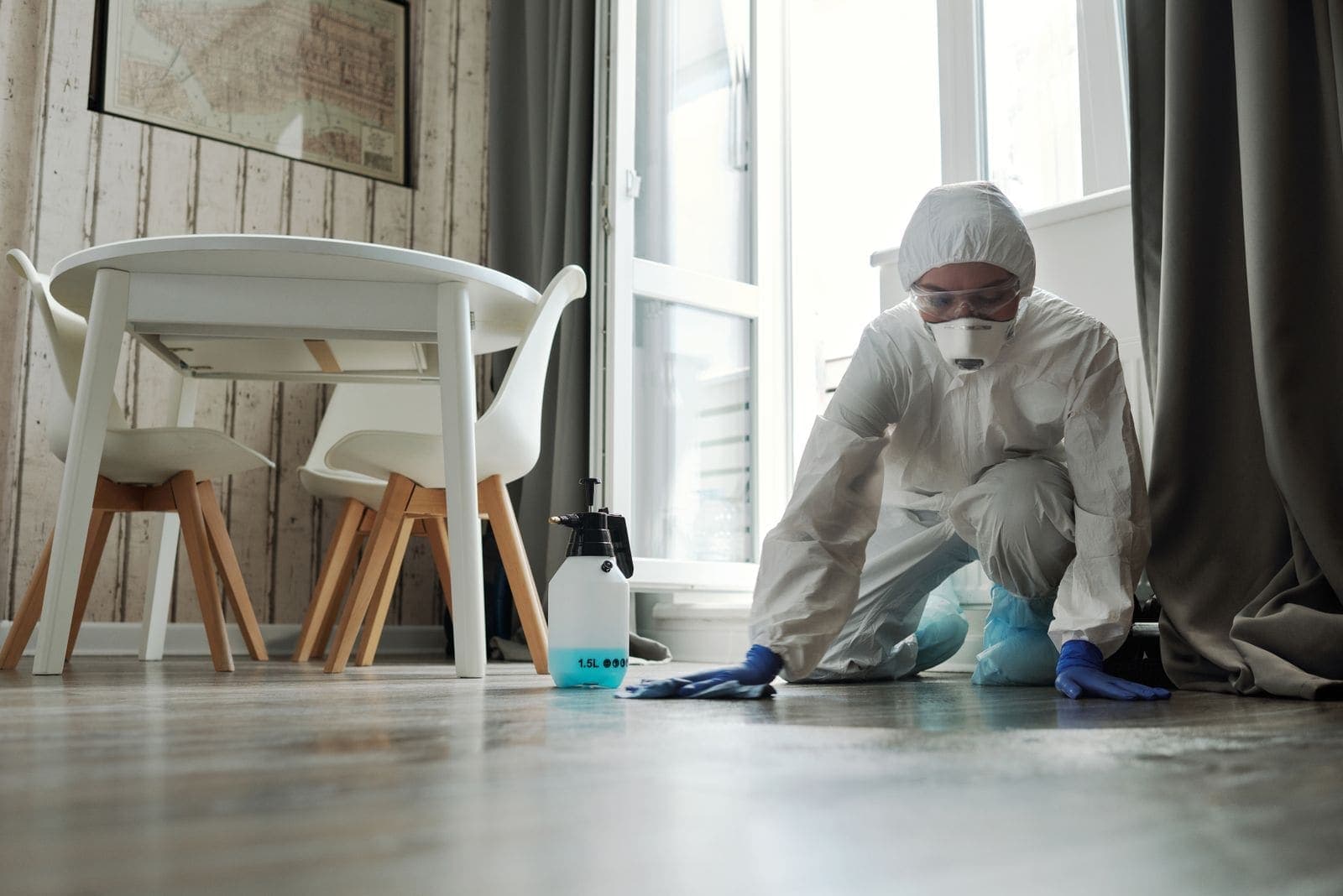
Biohazard cleanup
Biohazard cleanup removes and disposes of blood, bodily fluids and other potentially infectious material, then cleans and disinfects the area so it's safe to use.
Learn more