
Short answer
Stop using all water in the house, keep people and pets away, turn off power to wet areas if it's safe, and call a plumber to clear the line and a restoration crew to clean up. Sewage is Category 3 water and needs protective equipment and disinfection.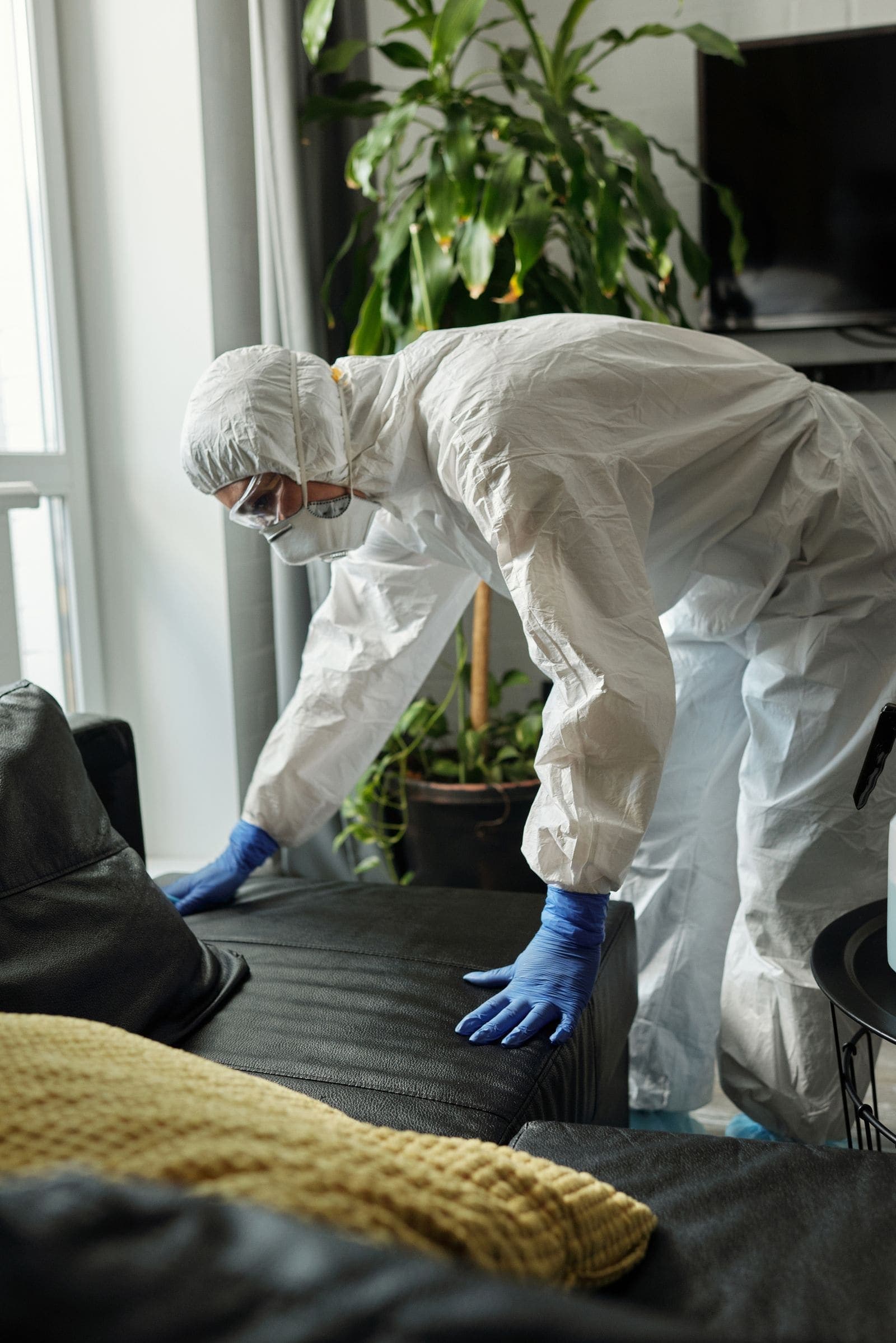
Why it's dangerous
Sewage carries bacteria, viruses and parasites. Splashing, mopping or running fans before cleanup can spread contamination through the house.
Steps to take
In order:
- Stop running water, flushing toilets and using appliances that drain
- Keep children, pets and anyone with health conditions away
- Turn off HVAC to avoid spreading odors and aerosols
- Call a plumber to clear or repair the line
- Call a restoration company for cleanup
What gets removed
Carpet, pad, lower drywall and other porous materials that sewage touched are usually discarded. Hard surfaces are cleaned and disinfected before drying.
Questions
Is sewage backup covered by insurance in Texas?
Often only with a water backup endorsement. Without it, many policies exclude backups from sewers and drains.
Editorial note: this guide is general information for Texas homeowners, not legal or insurance advice. Your policy and local codes decide what applies to you.