
Water damage · Emergency service
Emergency water extraction
Water extraction is the first step of any water loss: removing standing and absorbed water with powerful pumps and extractors before drying starts. Extraction pulls out far more water than drying equipment can, which shortens drying time and saves materials.
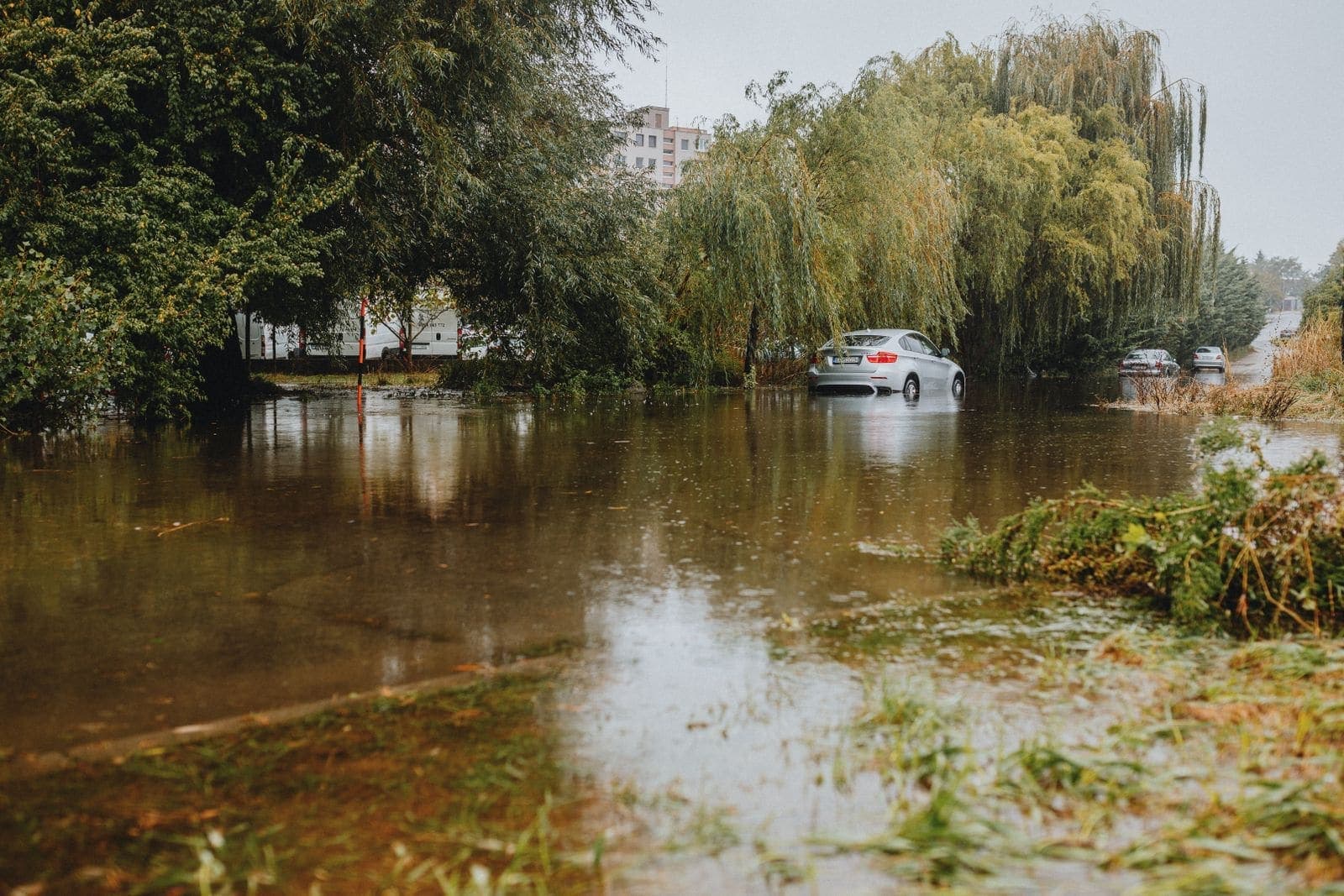
Every gallon left in carpet and pad has to be evaporated later by dehumidifiers, which is slow. Extraction with weighted or truck-mounted wands removes most of that water in a single visit.
Crews choose equipment by the surface: submersible pumps for deep water in garages, truck mounts for whole-floor carpet losses, and portable units for upstairs rooms and apartments.
What you can expect
- One call connects you with an independent restoration company that serves your ZIP code.
- Fast call-back during business hours
- Serving All 50 states + D.C.
- Photo and moisture documentation for insurance
Emergency water extraction at a glance
- Category
- Water damage
- Emergency service
- Yes, call for fastest response
- Typical first step
- Safety check
- Area
- All 50 states + D.C.
Signs you need emergency water extraction
- Visible standing water on any floor
- Carpet that leaves water on your hand when pressed
- Water pooling along walls or under cabinets
- A water heater or washing machine that has emptied onto the floor
- Water entering from a door or garage during a storm
How the work is done
- 1
Safety check
Power to wet areas is checked, and the water category is identified so the crew uses the right protective gear.
- 2
Bulk water removal
Pumps and extractors remove standing water; wet carpet pad is lifted and usually discarded.
- 3
Detail extraction
Weighted extraction tools press water out of carpet, and hard floors are squeegeed and vacuumed.
- 4
Set drying
Air movers and dehumidifiers go in immediately so drying starts the same day.
What affects the cost
Prices depend on the job, so restoration companies quote after an assessment. These factors drive the number:
- Volume of water and number of rooms
- Water category (clean, gray or sewage)
- Floor level and access for equipment
- Whether carpet pad or flooring must be removed
What to do right now
Safe to do yourself
- Use a wet/dry vac on small, clean-water spills
- Open interior doors and run the AC to start lowering humidity
Call a professional if…
- More than one room is wet
- Water is above the baseboard or entering from outside
- The water is from a drain or toilet
Emergency water extraction questions
How fast should water be extracted?
As soon as possible. Within 24–48 hours, clean water begins to support bacteria and mold, and materials like particleboard and laminate swell beyond saving.
Can wet carpet be saved?
Often, if it was clean water and extraction starts quickly. Carpet pad is usually replaced because it holds water and is inexpensive compared with the drying time it adds.
Where this service is available
Available in all 50 states and D.C. These cities have their own local pages:
Related services
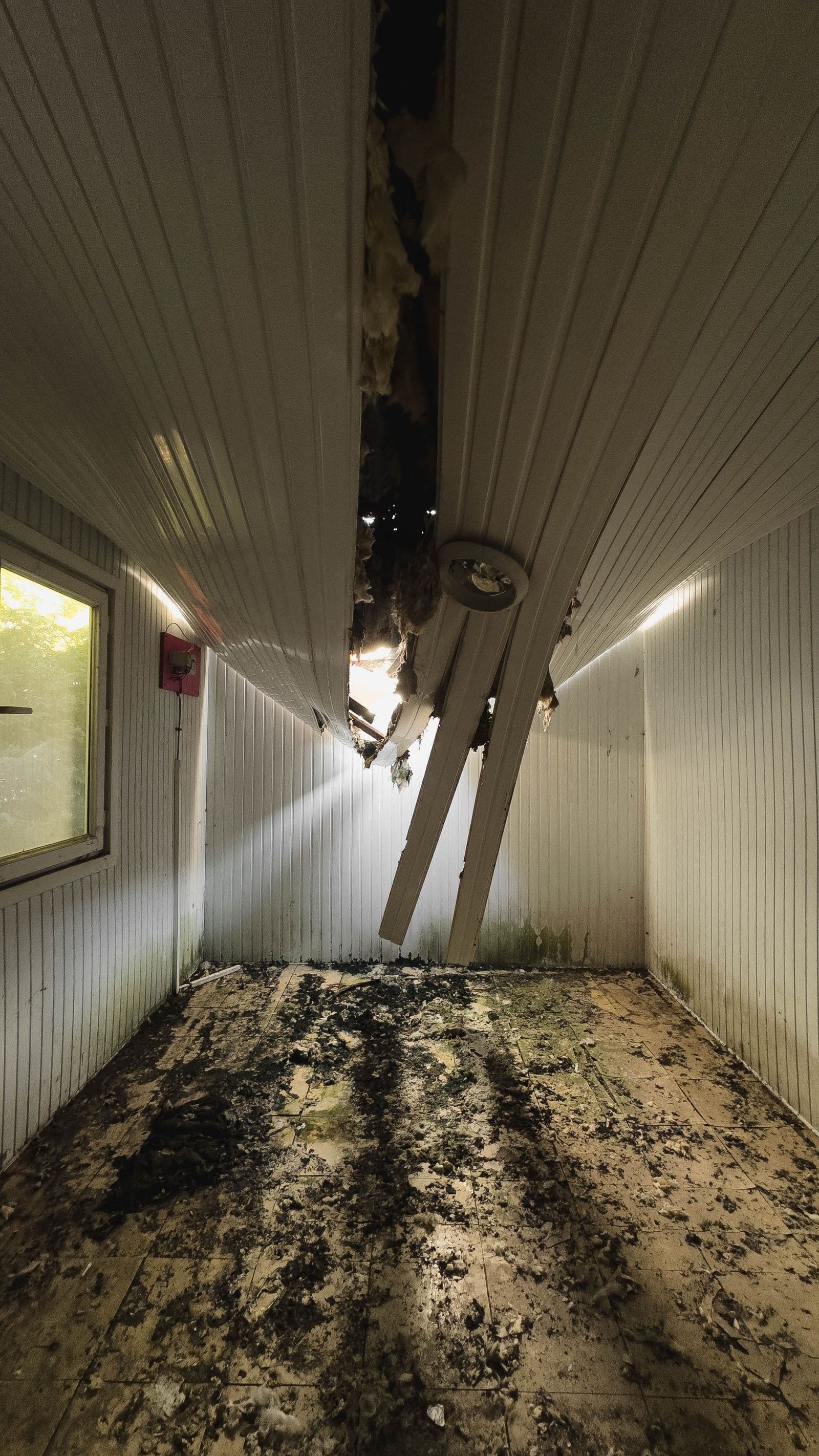
Water damage restoration
Water damage restoration removes standing water, dries the structure to a measured dry standard, and repairs or replaces what can't be saved.
Learn more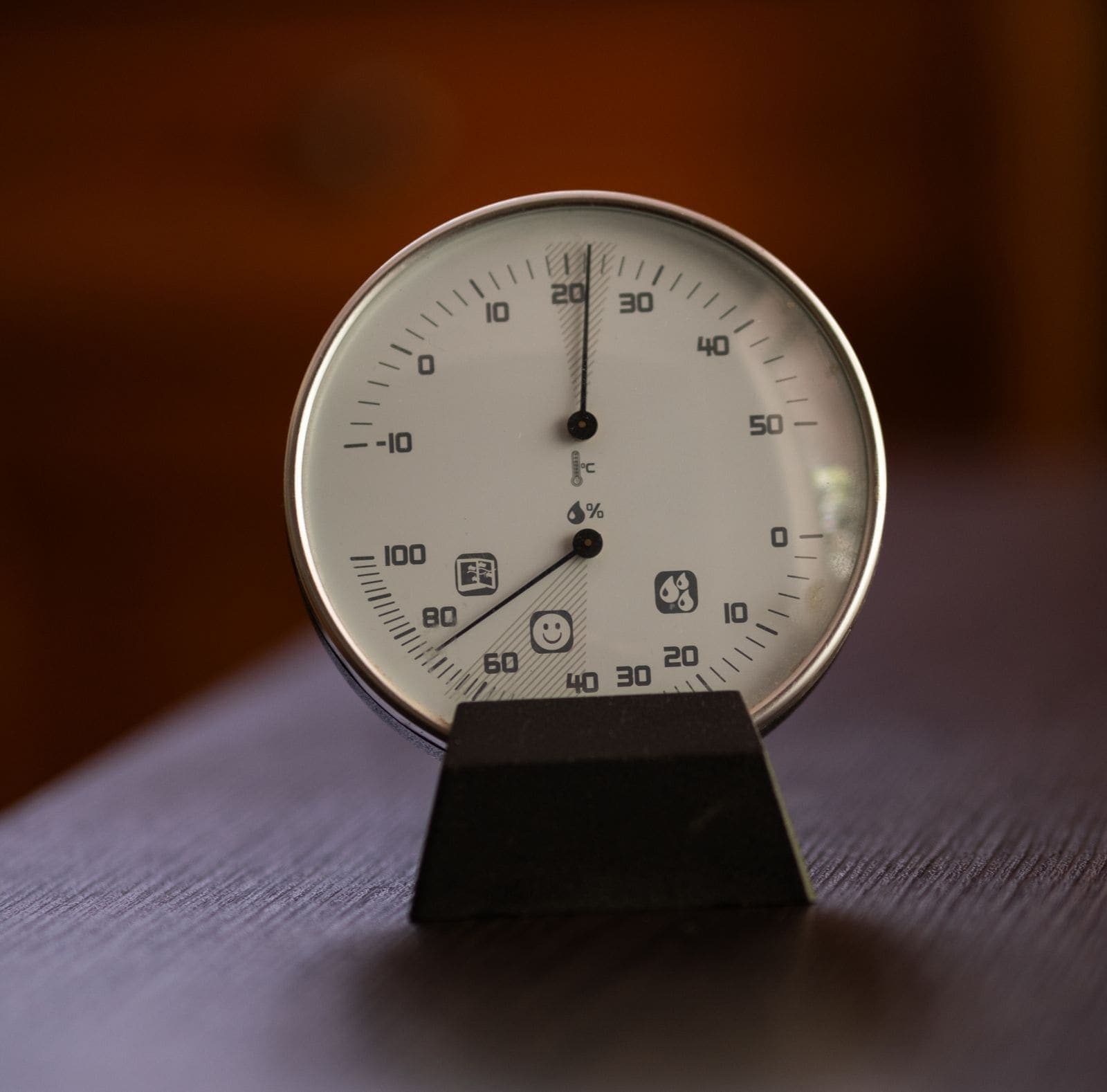
Structural drying
Structural drying removes moisture that has soaked into walls, framing, subfloors and cabinets after the visible water is gone.
Learn moreFlood damage cleanup
Flood cleanup treats outside floodwater as contaminated: it removes water and mud, cuts out wet drywall and insulation above the waterline, sanitizes, and dries the structure.
Learn moreWater, mold or fire damage? Get the right crew on it.
One call connects you with an independent restoration company that serves your ZIP code. Fast call-back during business hours.