
Water damage · Emergency service
Water damage restoration in New York City, NY
Water damage restoration removes standing water, dries the structure to a measured dry standard, and repairs or replaces what can't be saved. Starting within the first 24–48 hours limits mold growth and keeps more drywall, flooring and cabinets salvageable.
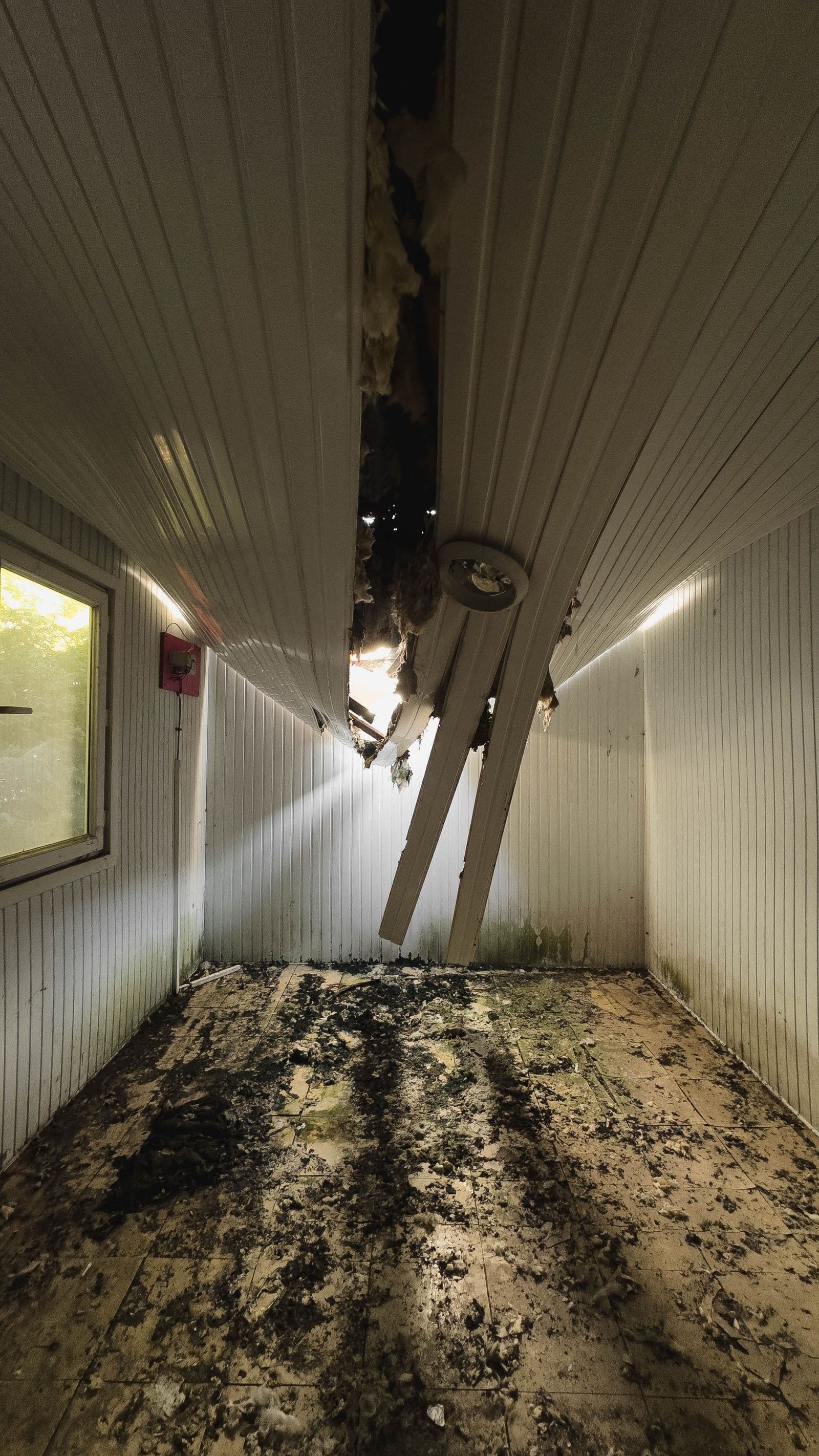
Water damage restoration in New York City: local conditions
In New York City, most water damage involves more than one home. A failed riser, a steam pipe, an overflowing tub or a leaking roof in an apartment building can send water through several units, and responsibility is split between the building, the unit owner and each resident's insurance.
Pre-war buildings add plaster walls, original hardwood floors and cast-iron stacks, which dry differently than modern drywall. Basement apartments face the most serious risk from flash flooding, as the remnants of Ida showed in 2021.
Restoration crews in NYC typically document each affected unit separately, coordinate access with building management, and dry plaster and hardwood in place where possible.
What you can expect
- One call connects you with an independent restoration company that serves your ZIP code.
- Fast call-back during business hours
- Serving New York City, NY
- Photo and moisture documentation for insurance
Water damage restoration at a glance
- Category
- Water damage
- Emergency service
- Yes, call for fastest response
- Typical first step
- Stop the source and assess
- Area
- New York City, NY
Other water risks in New York City
Basement apartment flooding
Intense rain overwhelms the city's combined sewers and floods basement apartments, which is a safety hazard as well as property damage.
Coastal storm surge
The Rockaways, Coney Island, Red Hook, Lower Manhattan and Staten Island's east shore flooded during Sandy and remain exposed to surge.
Multi-unit leaks
Leaks from an upstairs unit or a building riser are the most common cause of apartment water damage.
Riser and steam pipe leaks
Pre-war buildings rely on vertical risers and steam heat. A failed riser valve or steam pipe can send hot water down through several apartments, damaging plaster ceilings and hardwood floors.
Signs you need water damage restoration
- Standing water, or carpet that squishes underfoot
- Drywall that's soft, bubbling or stained at the bottom edge
- Baseboards pulling away or swelling
- Laminate or wood floors cupping or lifting
- A musty smell that appears a day or two after a leak
How the work is done
- 1
Stop the source and assess
The water source is shut off or isolated, then the crew maps moisture and photographs every affected area for your insurance file.
- 2
Extract
Truck-mounted or portable extractors pull standing water from carpet, pad and hard surfaces; wet pad is usually removed.
- 3
Dry and monitor
Air movers and dehumidifiers are placed by the square footage and moisture class. Readings are logged daily until materials reach a dry standard.
- 4
Repair
Removed drywall, baseboard, insulation and flooring are replaced, either by the restoration company or a contractor you choose.
What affects the cost
Prices depend on the job, so restoration companies in New York City quote after an assessment. The main drivers are how much area is affected, how long it stayed wet, and what has to be removed or rebuilt. See the full list of water damage restoration cost factors.
What to do right now
Safe to do yourself
- Shut off the main water valve and, if water is near outlets, the breaker for that area
- Move furniture off wet carpet and put foil or blocks under the legs
- Photograph everything before anything is thrown out
Call a professional if…
- Water came from a toilet, drain or sewer line, or from outside floodwater
- Ceilings are sagging or water is running near light fixtures
- Water has been sitting more than 48 hours
Water damage restoration questions
Who pays for water damage from the apartment above me in NYC?
It depends on the cause and the lease or co-op/condo documents. The building's policy usually covers building elements, and your renter's or HO-6 policy covers your belongings and improvements. Report it in writing right away.
Can plaster walls in a pre-war NYC apartment be saved after a leak?
Often, yes. Plaster can usually be dried in place when the water was clean and drying starts quickly, which avoids costly replastering.
How long does it take to dry a house after water damage?
Most rooms reach a dry standard in three to five days with professional equipment. Hardwood, plaster and heavily saturated subfloors can take longer, and daily moisture readings decide when drying ends.
Does homeowners insurance cover water damage?
Most U.S. homeowners policies cover sudden, accidental water damage such as a burst pipe, but not long-term leaks or flood water from outside, which needs separate flood coverage. Your policy wording decides, so call your carrier early.
More about water and storm damage in New York City, or see water damage restoration across Texas.
Related services
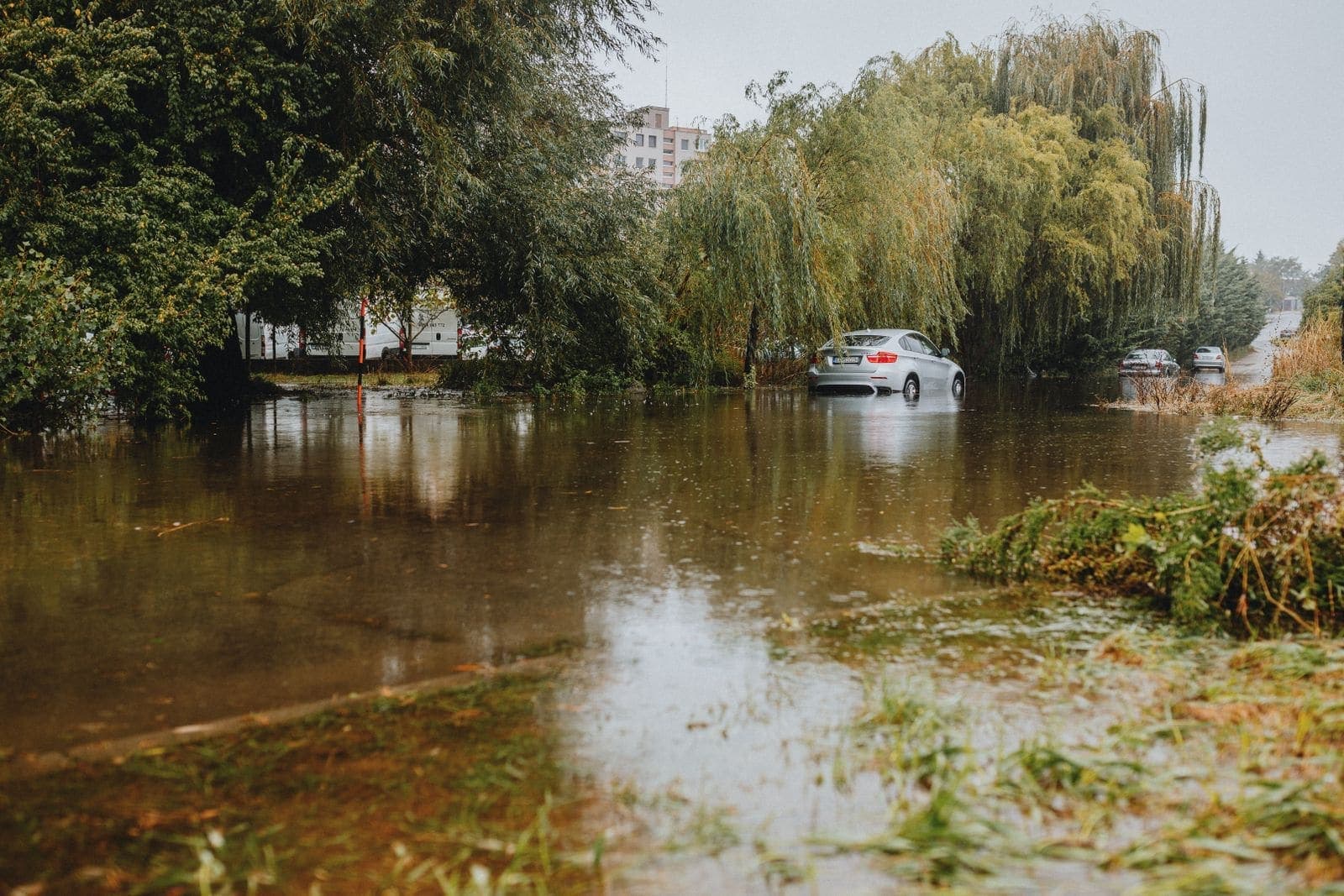
Emergency water extraction
Water extraction is the first step of any water loss: removing standing and absorbed water with powerful pumps and extractors before drying starts.
Learn more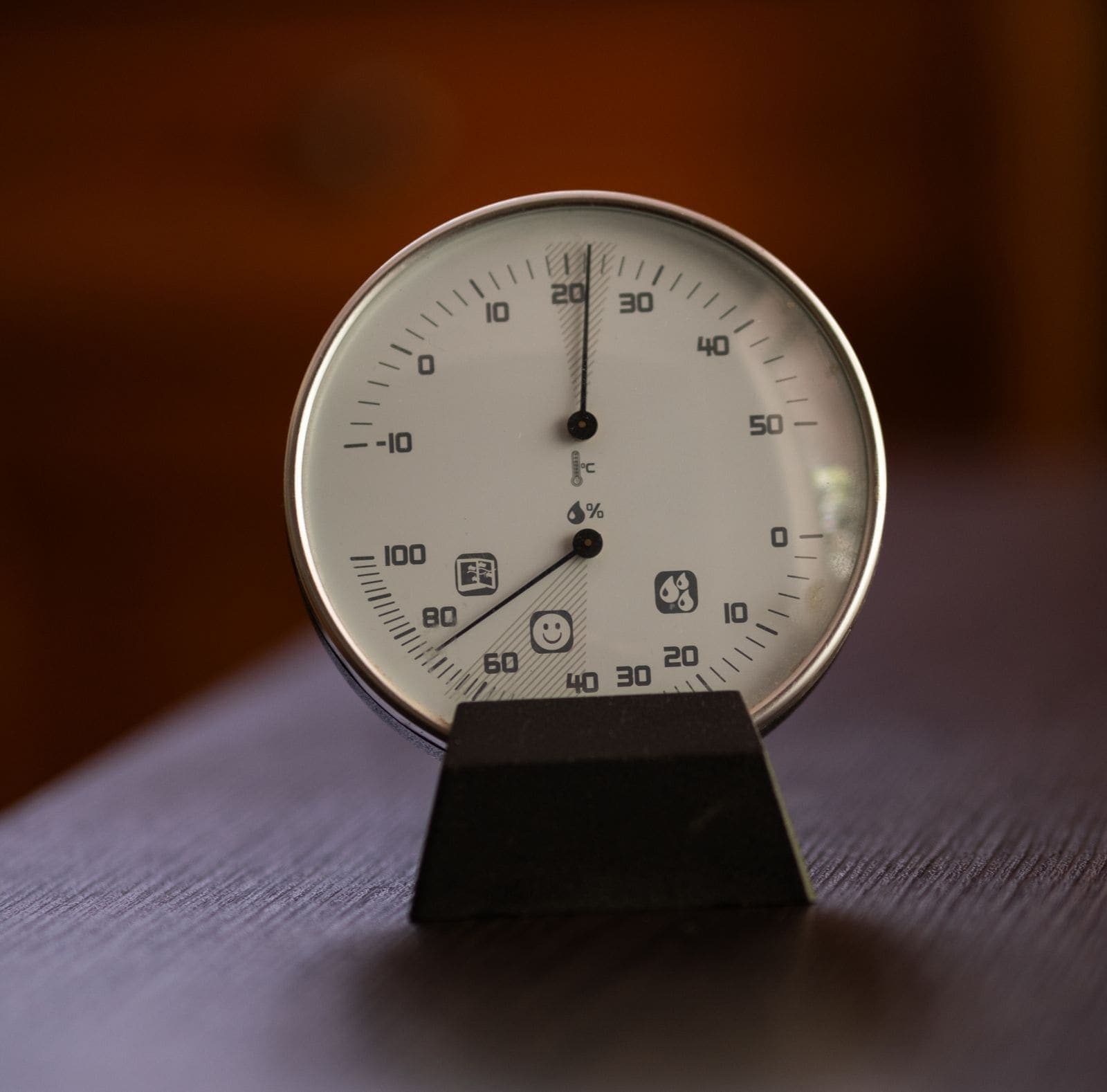
Structural drying
Structural drying removes moisture that has soaked into walls, framing, subfloors and cabinets after the visible water is gone.
Learn more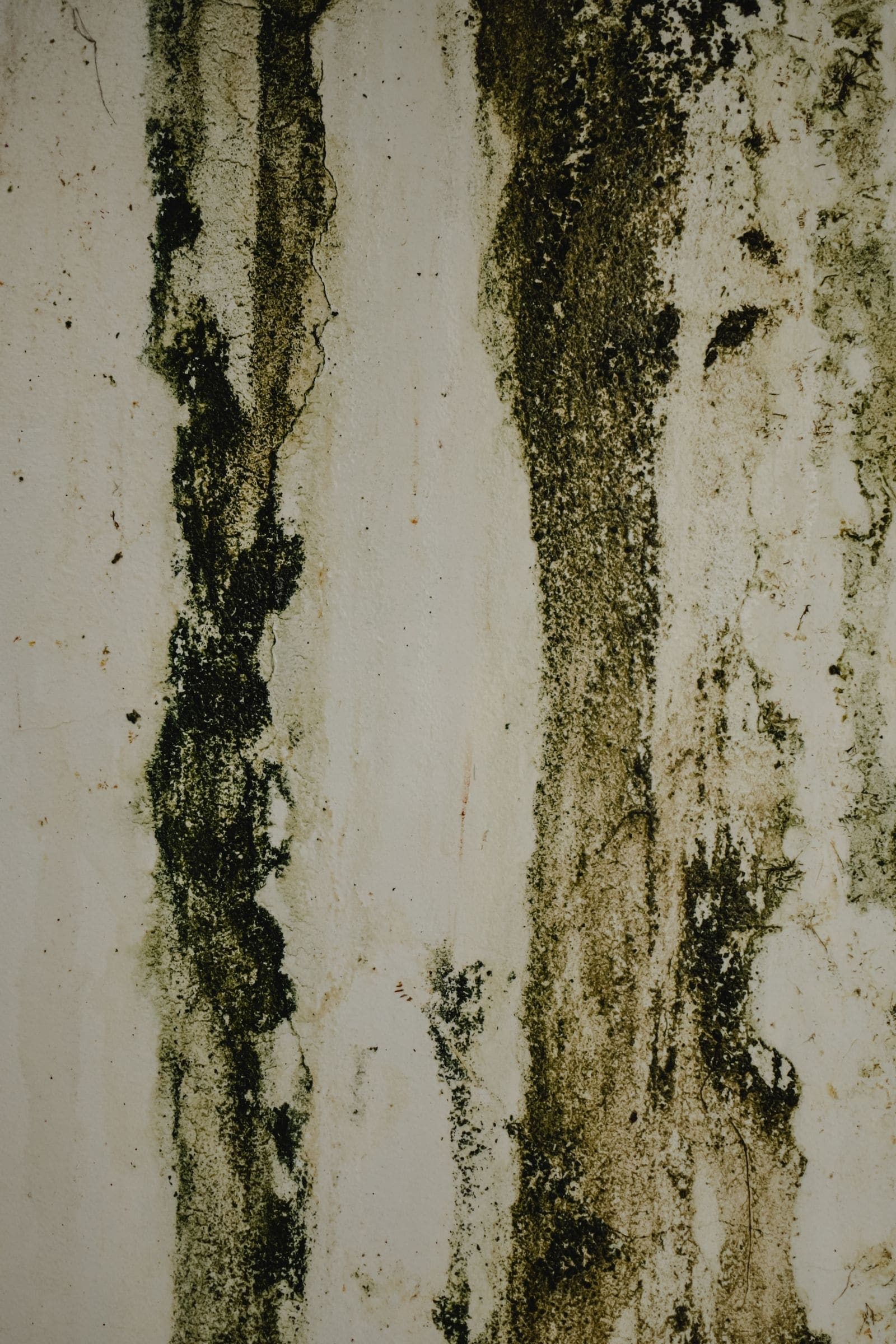
Mold remediation
Mold remediation removes mold growth under containment so spores don't spread, cleans or discards affected materials, and corrects the moisture problem that let it grow.
Learn more
Burst pipe water damage
A burst pipe can release hundreds of gallons an hour, so shutting the main valve comes first, then extraction and drying.
Learn moreWater, mold or fire damage? Get the right crew on it.
One call connects you with an independent restoration company that serves your ZIP code. Fast call-back during business hours.