
Water damage · Emergency service
Water damage restoration in Las Vegas, NV
Water damage restoration removes standing water, dries the structure to a measured dry standard, and repairs or replaces what can't be saved. Starting within the first 24–48 hours limits mold growth and keeps more drywall, flooring and cabinets salvageable.
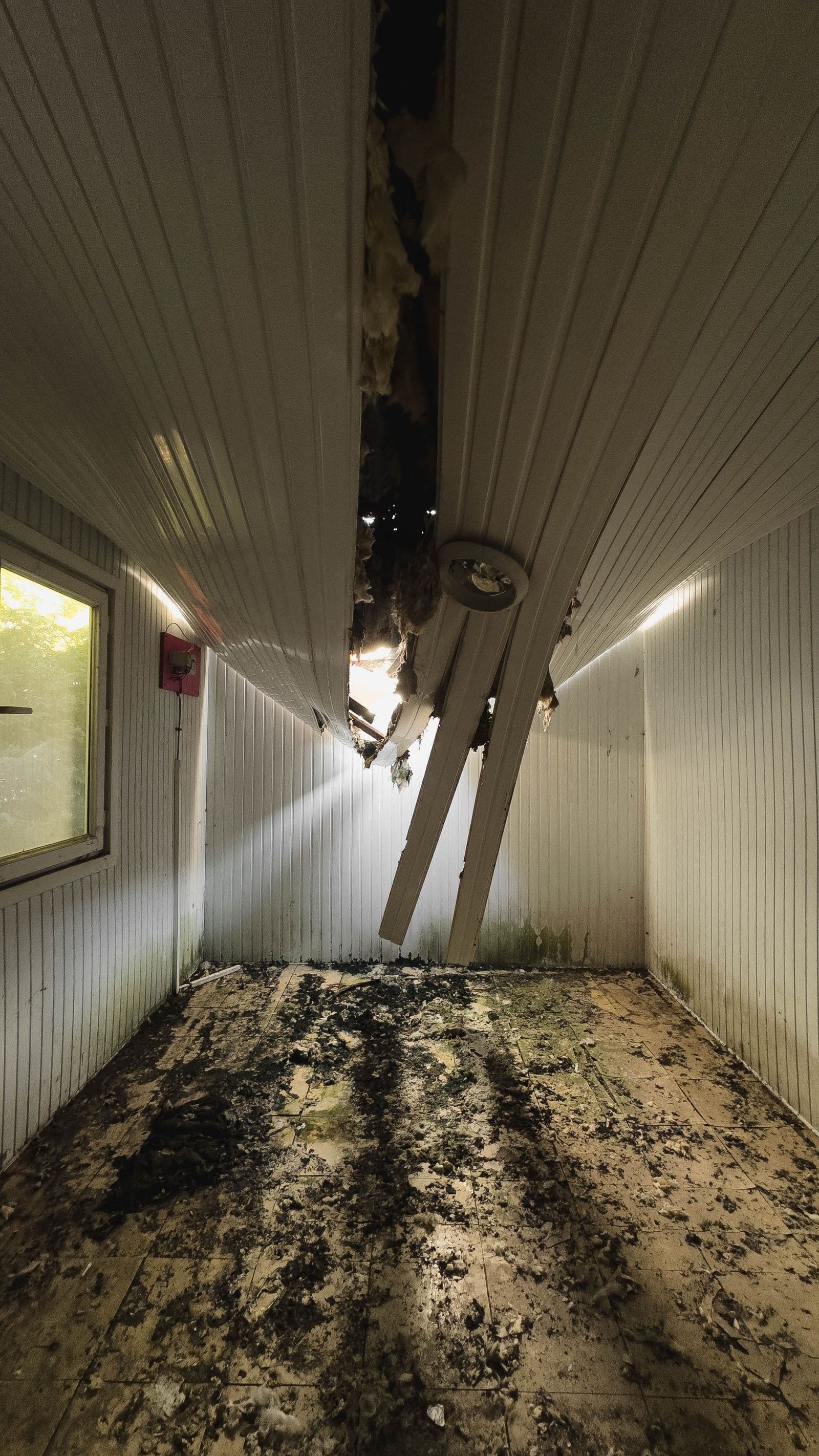
Water damage restoration in Las Vegas: local conditions
In Las Vegas, water damage often comes from inside the slab. Mineral-heavy water builds scale and corrodes copper pipes and fittings, and pinhole leaks under slab foundations can soak flooring for weeks before anyone notices.
Summer storms bring the other risk: sudden flash floods on hard desert ground that rush through streets and washes. The Clark County Regional Flood Control District runs detention basins and channels, but low streets and homes near washes can still take water during intense storms.
Many homes in Summerlin, Henderson and the southwest valley were built in the 1990s and 2000s, so original water heaters, supply lines and roof underlayment are reaching the age when they commonly fail.
What you can expect
- One call connects you with an independent restoration company that serves your ZIP code.
- Fast call-back during business hours
- Serving Las Vegas, NV
- Photo and moisture documentation for insurance
Water damage restoration at a glance
- Category
- Water damage
- Emergency service
- Yes, call for fastest response
- Typical first step
- Stop the source and assess
- Area
- Las Vegas, NV
Other water risks in Las Vegas
Flash flooding
Summer storms flood streets and low areas. The Clark County Regional Flood Control District runs a network of detention basins and channels.
Slab leaks and hard water
Mineral-rich water corrodes pipes and fittings under slabs.
AC condensate leaks
Clogged condensate lines overflow into ceilings.
Extreme heat and roofs
Summer temperatures above 110°F break down roof underlayment and seals, causing leaks during storms.
Signs you need water damage restoration
- Standing water, or carpet that squishes underfoot
- Drywall that's soft, bubbling or stained at the bottom edge
- Baseboards pulling away or swelling
- Laminate or wood floors cupping or lifting
- A musty smell that appears a day or two after a leak
How the work is done
- 1
Stop the source and assess
The water source is shut off or isolated, then the crew maps moisture and photographs every affected area for your insurance file.
- 2
Extract
Truck-mounted or portable extractors pull standing water from carpet, pad and hard surfaces; wet pad is usually removed.
- 3
Dry and monitor
Air movers and dehumidifiers are placed by the square footage and moisture class. Readings are logged daily until materials reach a dry standard.
- 4
Repair
Removed drywall, baseboard, insulation and flooring are replaced, either by the restoration company or a contractor you choose.
What affects the cost
Prices depend on the job, so restoration companies in Las Vegas quote after an assessment. The main drivers are how much area is affected, how long it stayed wet, and what has to be removed or rebuilt. See the full list of water damage restoration cost factors.
What to do right now
Safe to do yourself
- Shut off the main water valve and, if water is near outlets, the breaker for that area
- Move furniture off wet carpet and put foil or blocks under the legs
- Photograph everything before anything is thrown out
Call a professional if…
- Water came from a toilet, drain or sewer line, or from outside floodwater
- Ceilings are sagging or water is running near light fixtures
- Water has been sitting more than 48 hours
Water damage restoration questions
Why are slab leaks so common in Las Vegas?
Hard water corrodes copper pipes and fittings over time, and slab construction hides the leak until damage shows on the floor or walls.
Do I need flood insurance in Las Vegas?
If you live near a wash or in a mapped flood zone, it's worth considering. Homeowners policies exclude flood.
How long does it take to dry a house after water damage?
Most rooms reach a dry standard in three to five days with professional equipment. Hardwood, plaster and heavily saturated subfloors can take longer, and daily moisture readings decide when drying ends.
Does homeowners insurance cover water damage?
Most U.S. homeowners policies cover sudden, accidental water damage such as a burst pipe, but not long-term leaks or flood water from outside, which needs separate flood coverage. Your policy wording decides, so call your carrier early.
More about water and storm damage in Las Vegas, or see water damage restoration across Texas.
Related services
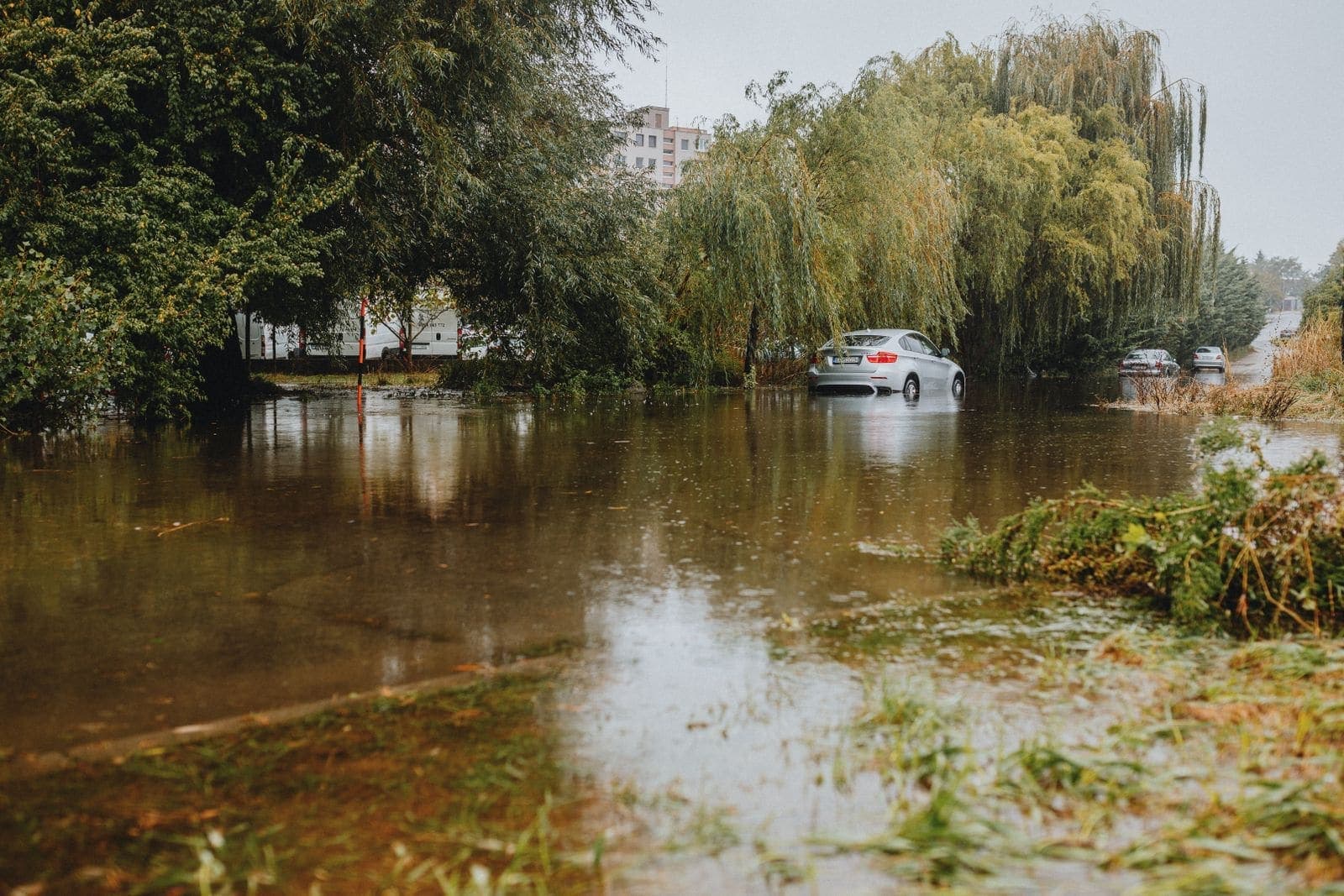
Emergency water extraction
Water extraction is the first step of any water loss: removing standing and absorbed water with powerful pumps and extractors before drying starts.
Learn more
Structural drying
Structural drying removes moisture that has soaked into walls, framing, subfloors and cabinets after the visible water is gone.
Learn more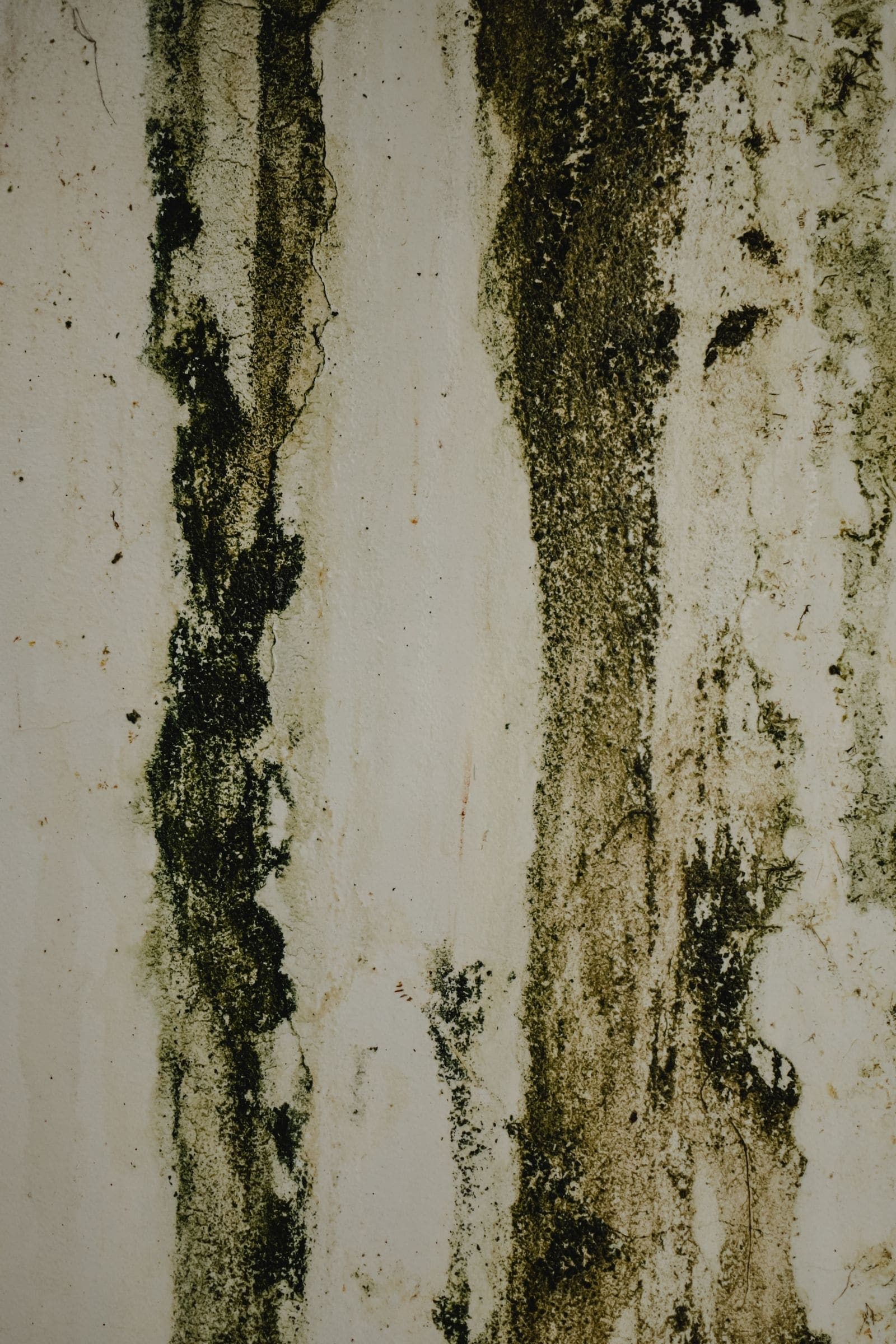
Mold remediation
Mold remediation removes mold growth under containment so spores don't spread, cleans or discards affected materials, and corrects the moisture problem that let it grow.
Learn more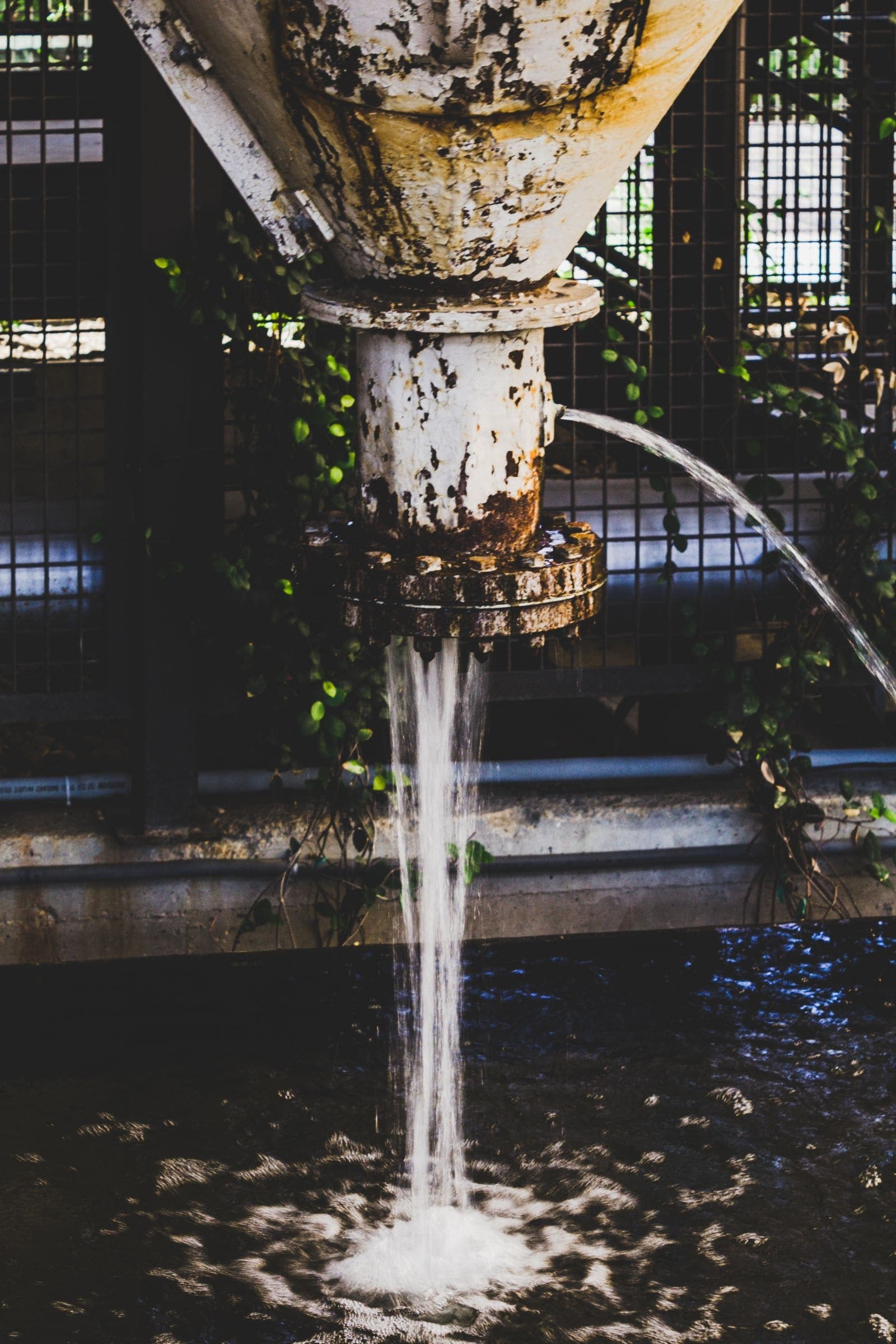
Burst pipe water damage
A burst pipe can release hundreds of gallons an hour, so shutting the main valve comes first, then extraction and drying.
Learn moreWater, mold or fire damage? Get the right crew on it.
One call connects you with an independent restoration company that serves your ZIP code. Fast call-back during business hours.