
Mold removal
Mold remediation in Houston, TX
Mold remediation removes mold growth under containment so spores don't spread, cleans or discards affected materials, and corrects the moisture problem that let it grow. Several states, including Texas, Florida, Louisiana and New York, license mold remediation, so check your state's rules.
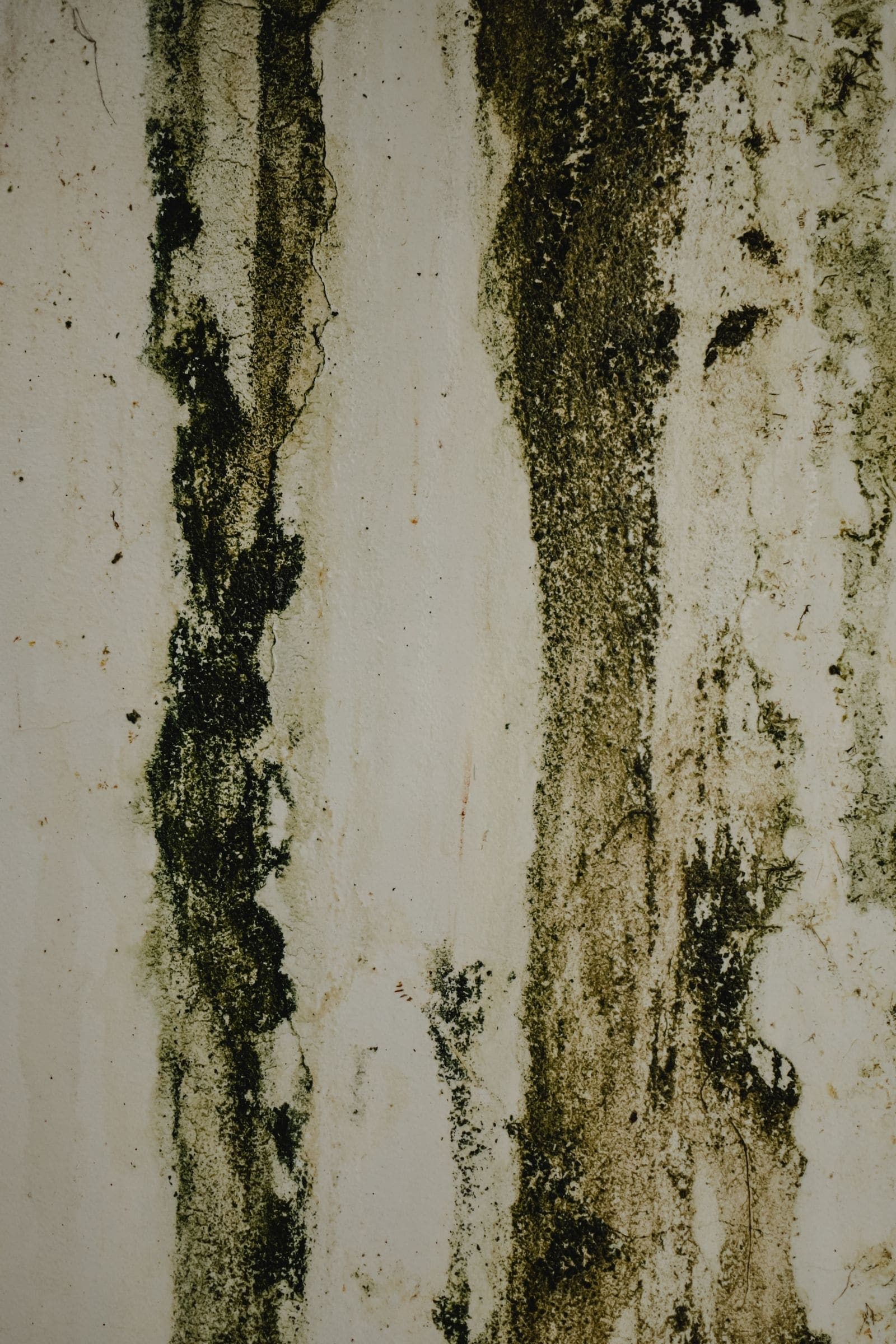
Mold remediation in Houston: local conditions
Houston's humidity stays high for much of the year, so mold can start on wet drywall within a day or two. Attic ductwork and air handlers sweat in summer, and condensation around supply vents and in HVAC closets is one of the most common mold sources in Houston homes, even without a leak.
After any flood or plumbing leak, drywall and insulation that stayed wet for more than 48 hours are prime candidates for growth. Texas requires a TDLR-licensed remediator for jobs of 25 contiguous square feet or more, with an independent licensed assessor writing the protocol.
Remediation in Houston works best when it includes moisture control: correctly sized AC, sealed and insulated ducts, and bath fans vented outdoors. Otherwise growth tends to return.
What you can expect
- One call connects you with an independent restoration company that serves your ZIP code.
- Fast call-back during business hours
- Serving Houston, TX
- Photo and moisture documentation for insurance
Mold remediation at a glance
- Category
- Mold removal
- Emergency service
- Scheduled visit
- Typical first step
- Assessment
- Area
- Houston, TX
Other water risks in Houston
Bayou and street flooding
Brays, White Oak, Buffalo and Greens Bayous overflow in major storms, and flat streets flood in heavy rain even outside mapped floodplains. Hurricane Harvey in 2017 flooded neighborhoods across the city.
Humidity and mold
High year-round humidity means wet materials grow mold quickly, and sweating AC ducts cause mold even without leaks.
Hurricane season
From June through November, tropical systems bring wind-driven rain, roof damage and power outages that leave homes without AC to control humidity.
Subsidence and old sewer lines
Decades of groundwater pumping caused subsidence across the Houston area. Combined with shifting clay, that movement cracks older cast-iron and clay sewer lines under slab homes, which leads to backups and slow under-slab leaks.
Signs you need mold remediation
- Visible black, green or white growth on drywall, baseboards or wood
- A musty odor in a closet, bathroom or HVAC closet
- Recurring condensation on AC vents or ducts
- Staining after a past leak that was never dried
- Allergy-like symptoms that ease when you leave the house
How the work is done
- 1
Assessment
Larger jobs start with an independent licensed assessor who maps the growth and writes a remediation protocol.
- 2
Containment
Plastic barriers and negative air machines with HEPA filters keep spores inside the work area.
- 3
Removal and cleaning
Moldy porous materials are removed; framing and hard surfaces are HEPA-vacuumed and cleaned.
- 4
Clearance
The assessor confirms the area passes visual and, if specified, air or surface sampling before rebuild.
What affects the cost
Prices depend on the job, so restoration companies in Houston quote after an assessment. The main drivers are how much area is affected, how long it stayed wet, and what has to be removed or rebuilt. See the full list of mold remediation cost factors.
What to do right now
Safe to do yourself
- Small areas under 10 sq ft on hard surfaces can be cleaned with detergent and water while wearing an N95 and gloves
- Fix the leak or condensation source
Call a professional if…
- Growth is larger than about 10 sq ft or inside walls
- Mold is in HVAC ducts or the air handler
- Anyone in the home has asthma or a weakened immune system
Mold remediation questions
Why does mold keep coming back on my Houston AC vents?
Cold supply air meets humid indoor air at the vent and condenses. Common fixes include sealing the boot to the drywall, insulating the duct, and checking that the AC isn't oversized or running the fan constantly.
How do I verify a Houston mold company is licensed?
Search the contractor on the TDLR license lookup (tdlr.texas.gov). Mold remediation contractors and assessment consultants each hold separate license types.
Do I need a licensed company for mold removal?
It depends on your state. Texas, Florida, Louisiana and New York license mold remediation above set sizes. In other states, look for IICRC-certified remediators, insurance and a written scope.
Does bleach kill mold?
Bleach can whiten mold on hard, non-porous surfaces, but it doesn't penetrate drywall or wood and adds moisture. Removal and cleaning, plus fixing the moisture, is the reliable fix.
More about water and storm damage in Houston, or see mold remediation across Texas.
Related services

Mold inspection & testing
A mold inspection looks for visible growth, hidden moisture and the conditions causing it, using moisture meters, thermal imaging and, when useful, air or surface samples.
Learn more
Attic mold removal
Attic mold usually grows on roof decking from condensation, poor ventilation, bathroom fans vented into the attic, or roof and AC leaks.
Learn moreStructural drying
Structural drying removes moisture that has soaked into walls, framing, subfloors and cabinets after the visible water is gone.
Learn moreWater, mold or fire damage? Get the right crew on it.
One call connects you with an independent restoration company that serves your ZIP code. Fast call-back during business hours.