
Sewage & biohazard · Emergency service
Sewage backup cleanup in Chicago, IL
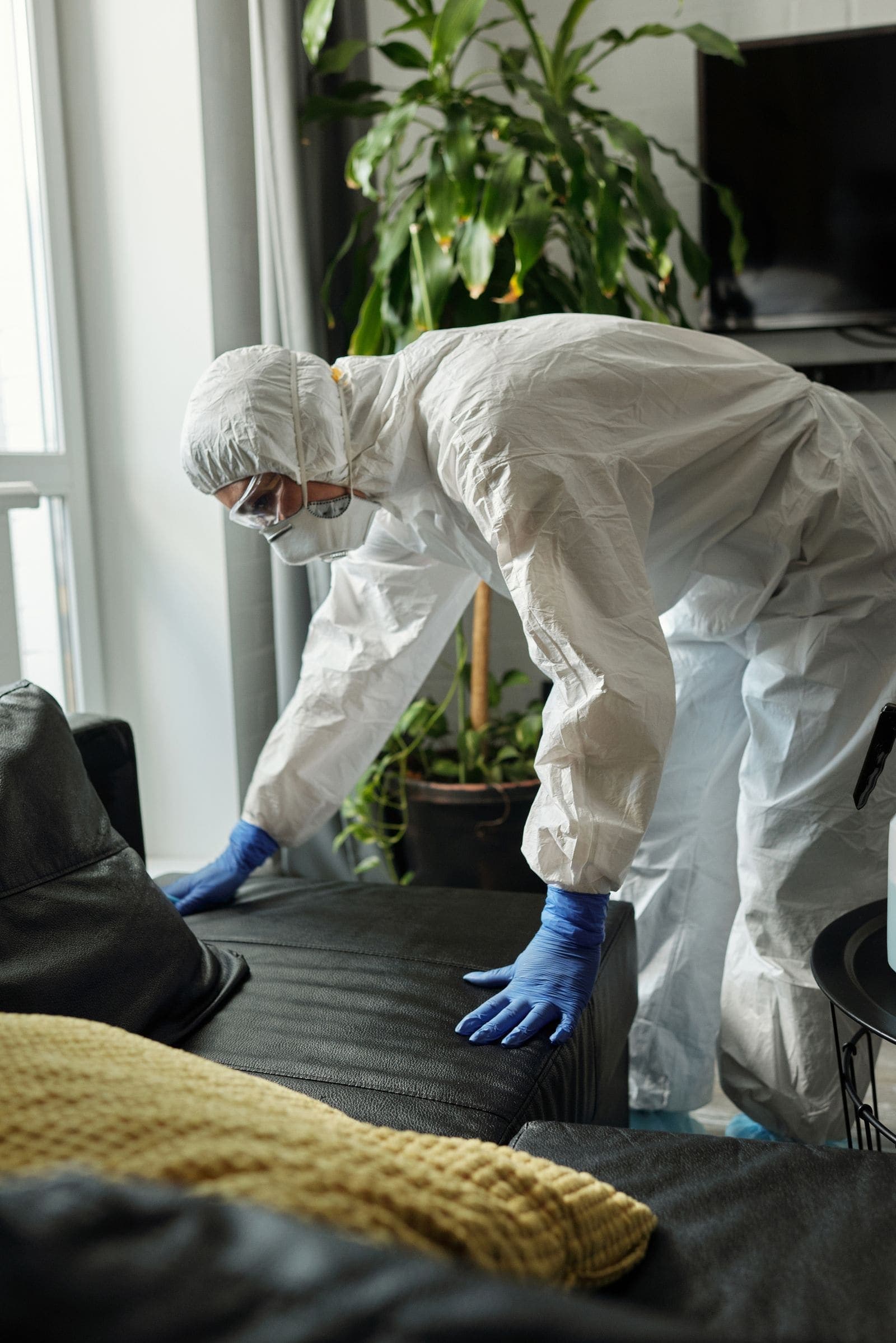
Sewage cleanup treats the water as Category 3 (grossly contaminated): crews in protective gear remove it, discard porous materials it touched, clean and disinfect hard surfaces, and dry the structure. Don't try to clean sewage with household products and a mop.
Sewage backup cleanup in Chicago: local conditions
Chicago and many older suburbs use combined sewers that carry stormwater and sewage in the same pipes. During intense storms, those sewers fill up, and water and sewage push back up through basement floor drains, often in bungalows and two-flats with finished basements.
The Tunnel and Reservoir Plan, known as the Deep Tunnel, stores huge amounts of stormwater to reduce flooding and overflows, but the heaviest storms can still overwhelm local sewers before water reaches it. Backups are treated as Category 3 water: porous materials are removed and hard surfaces are cleaned and disinfected.
Common long-term fixes in Chicago include backwater valves, overhead sewers that raise the basement plumbing above the sewer line, and a sewer backup endorsement on your homeowners policy.
What you can expect
- One call connects you with an independent restoration company that serves your ZIP code.
- Fast call-back during business hours
- Serving Chicago, IL
- Photo and moisture documentation for insurance
Sewage backup cleanup at a glance
- Category
- Sewage & biohazard
- Emergency service
- Yes, call for fastest response
- Typical first step
- Protect
- Area
- Chicago, IL
Other water risks in Chicago
Basement sewer backups
Intense rain overwhelms the combined sewer system, sending water and sewage into basements. Backwater valves and overhead sewers are common fixes.
Frozen pipes
Polar-vortex events, like January 2019, freeze pipes in exterior walls and garages.
Lake Michigan shoreline
High lake levels and storms have eroded the shoreline and flooded lakefront buildings.
Two-flat plumbing
Chicago two-flats and three-flats stack kitchens and bathrooms, so a leak in the upper unit runs into the unit below and often into the basement.
Signs you need sewage backup cleanup
- Water coming up from floor drains, tubs or toilets
- Gurgling drains
- Sewage odor in the house
- Multiple drains backing up at once
How the work is done
- 1
Protect
The area is isolated and crews wear PPE.
- 2
Remove
Sewage is extracted and porous materials (carpet, pad, lower drywall) are removed.
- 3
Disinfect
Hard surfaces are cleaned and treated with EPA-registered disinfectant.
- 4
Dry
Structural drying, then verification before rebuild.
What affects the cost
Prices depend on the job, so restoration companies in Chicago quote after an assessment. The main drivers are how much area is affected, how long it stayed wet, and what has to be removed or rebuilt. See the full list of sewage backup cleanup cost factors.
What to do right now
Safe to do yourself
- Stop using water in the house
- Keep children and pets away
Call a professional if…
- Any sewage reached carpet, drywall or HVAC
Sewage backup cleanup questions
How do I stop my Chicago basement from backing up?
Options include a backwater valve, an overhead sewer conversion, and keeping floor drains clear. A licensed plumber can recommend what fits your home, and Chicago requires permits for this work.
Does homeowners insurance cover sewer backup in Chicago?
Only if your policy includes a sewer or drain backup endorsement. Many Chicago homeowners add it because basement backups are so common.
Does homeowners insurance cover sewage backup?
Often only with a water or sewer backup endorsement, which most insurers offer as an add-on. Check your declarations page.
Is sewage cleanup dangerous?
Yes. Sewage contains bacteria, viruses and parasites. Professional crews use protective equipment and disinfectants for this reason.
More about water and storm damage in Chicago, or see sewage backup cleanup across Texas.
Related services

Biohazard cleanup
Biohazard cleanup removes and disposes of blood, bodily fluids and other potentially infectious material, then cleans and disinfects the area so it's safe to use.
Learn more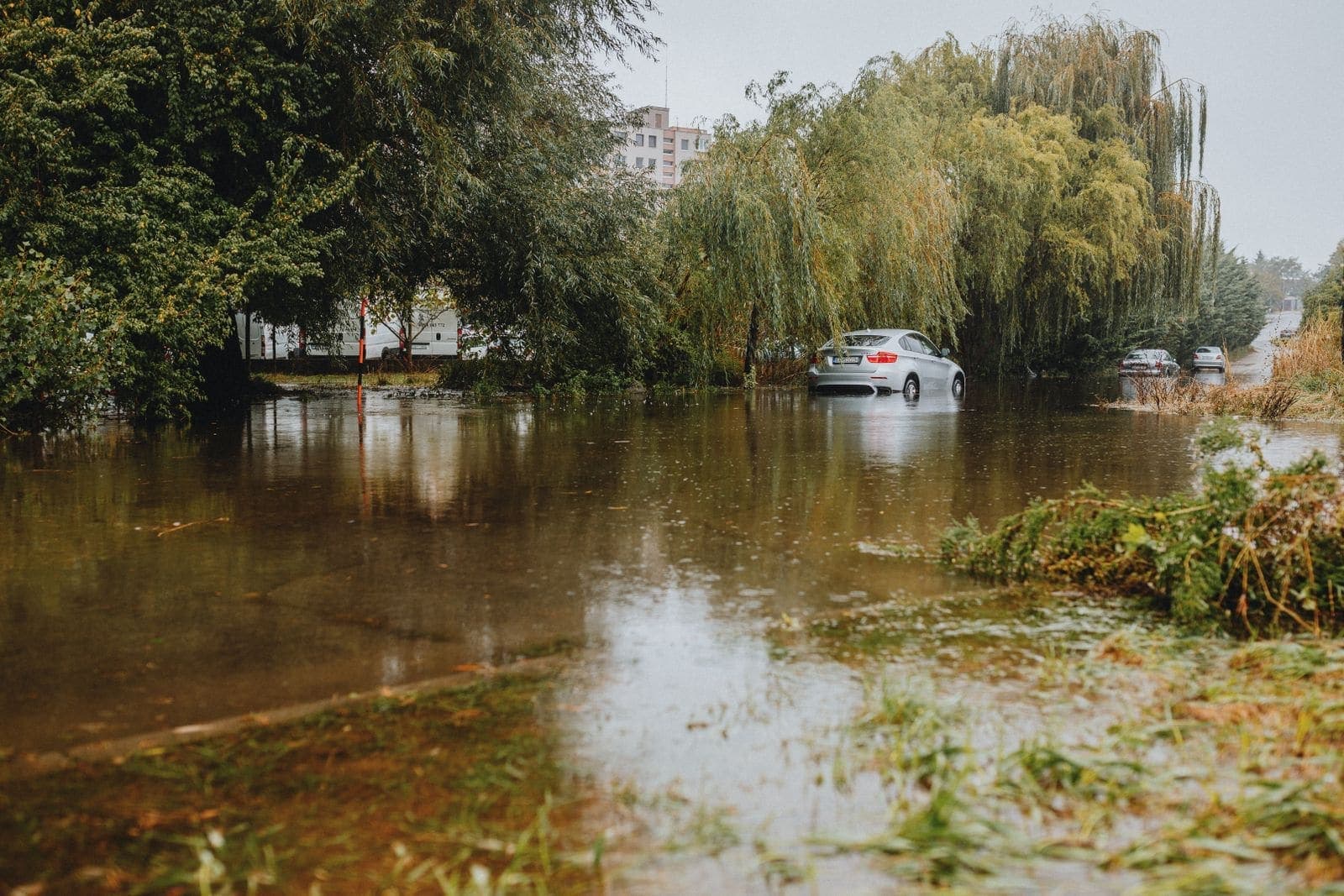
Flood damage cleanup
Flood cleanup treats outside floodwater as contaminated: it removes water and mud, cuts out wet drywall and insulation above the waterline, sanitizes, and dries the structure.
Learn moreEmergency water extraction
Water extraction is the first step of any water loss: removing standing and absorbed water with powerful pumps and extractors before drying starts.
Learn moreWater, mold or fire damage? Get the right crew on it.
One call connects you with an independent restoration company that serves your ZIP code. Fast call-back during business hours.