
Water damage · Emergency service
Ceiling water damage repair in Denver, CO
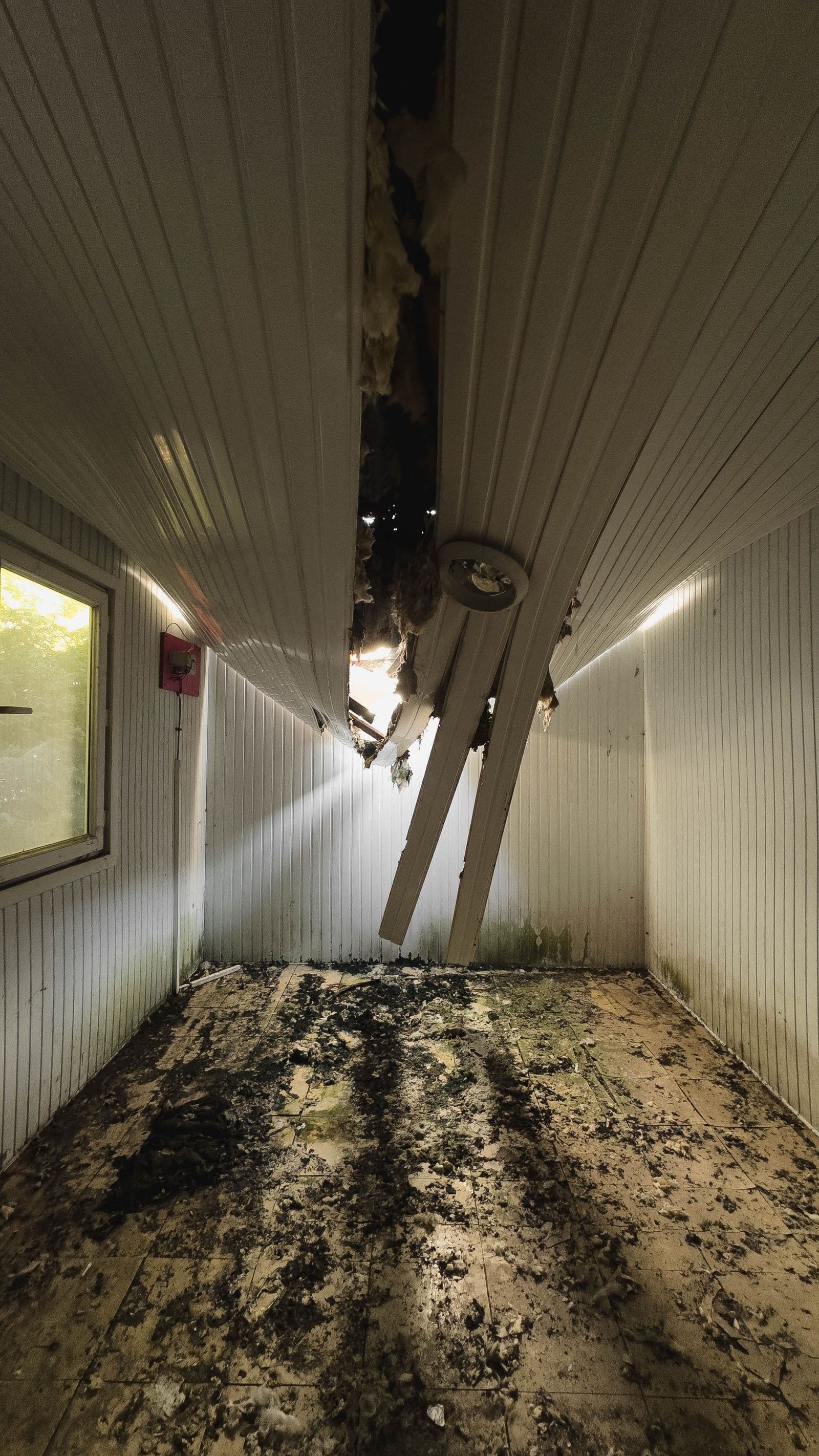
Ceiling water damage is usually caused by a roof leak, an attic AC drain overflowing, or a plumbing line above. The source has to be found and fixed, then the ceiling and attic insulation dried or replaced before texture and paint.
Ceiling water damage repair in Denver: local conditions
In Denver, ceiling water damage very often traces back to hail. Front Range hailstorms crack shingles, dent vents and flashing, and break skylights, and the leak may not show up as a ceiling stain until the next heavy rain or snowmelt, sometimes weeks later.
Rapid temperature swings also cause ice dams and frozen pipes in attics and exterior walls, and both can send water into ceilings. Older Denver Squares and bungalows with limited attic insulation are especially prone.
Before ceiling repairs, the roof or plumbing source must be fixed, wet insulation removed, and the joists and remaining drywall dried. Many Colorado policies have separate wind and hail deductibles, so document roof damage promptly.
What you can expect
- One call connects you with an independent restoration company that serves your ZIP code.
- Fast call-back during business hours
- Serving Denver, CO
- Photo and moisture documentation for insurance
Ceiling water damage repair at a glance
- Category
- Water damage
- Emergency service
- Yes, call for fastest response
- Typical first step
- Find the source
- Area
- Denver, CO
Other water risks in Denver
Hail damage
Front Range hailstorms damage roofs, gutters and windows.
Frozen pipes
Sudden cold snaps freeze pipes in exterior walls.
Wildfire smoke
Regional wildfires bring smoke and ash into homes.
Dry climate, fast drying
Denver's dry air helps materials dry faster than in humid cities, but hidden cavities still need measuring, and drying must start quickly.
Signs you need ceiling water damage repair
- Brown or yellow ring on the ceiling
- Sagging or bubbling drywall
- Dripping from a light fixture or vent
- Water in the AC secondary pan
- Wet attic insulation
How the work is done
- 1
Find the source
Roof, AC condensate or plumbing is identified so drying isn't wasted.
- 2
Remove failed materials
Sagging drywall and wet insulation are removed under containment.
- 3
Dry the cavity
Air movers and dehumidifiers dry joists and remaining drywall to standard.
- 4
Restore
New drywall is hung, textured to match and painted.
What affects the cost
Prices depend on the job, so restoration companies in Denver quote after an assessment. The main drivers are how much area is affected, how long it stayed wet, and what has to be removed or rebuilt. See the full list of ceiling water damage repair cost factors.
What to do right now
Safe to do yourself
- Put a bucket under drips and move valuables
- Shut off the AC if the drain pan is overflowing
Call a professional if…
- Ceiling is sagging
- Water is near light fixtures
- A popcorn ceiling in an older home is damaged (possible asbestos; test before disturbing)
Ceiling water damage repair questions
Is a ceiling leak after a Denver hailstorm covered by insurance?
Usually, if the roof damage came from the storm, subject to your wind and hail deductible. File promptly, since many policies have time limits for hail claims.
How long after a hailstorm can a Denver ceiling leak appear?
Weeks or even months. Damaged shingles may hold until heavy rain or snowmelt finds the weak spot, so inspect the roof after any significant hail.
Will a water stain on the ceiling go away?
No. A stain means water got through, and the source needs fixing. After drying, the area needs stain-blocking primer and paint, or replacement if the drywall weakened.
Is a sagging ceiling dangerous?
Yes. Wet drywall can drop without warning. Keep people out from under it and relieve the water with a small hole into a bucket if it's safe.
More about water and storm damage in Denver, or see ceiling water damage repair across Texas.
Related services
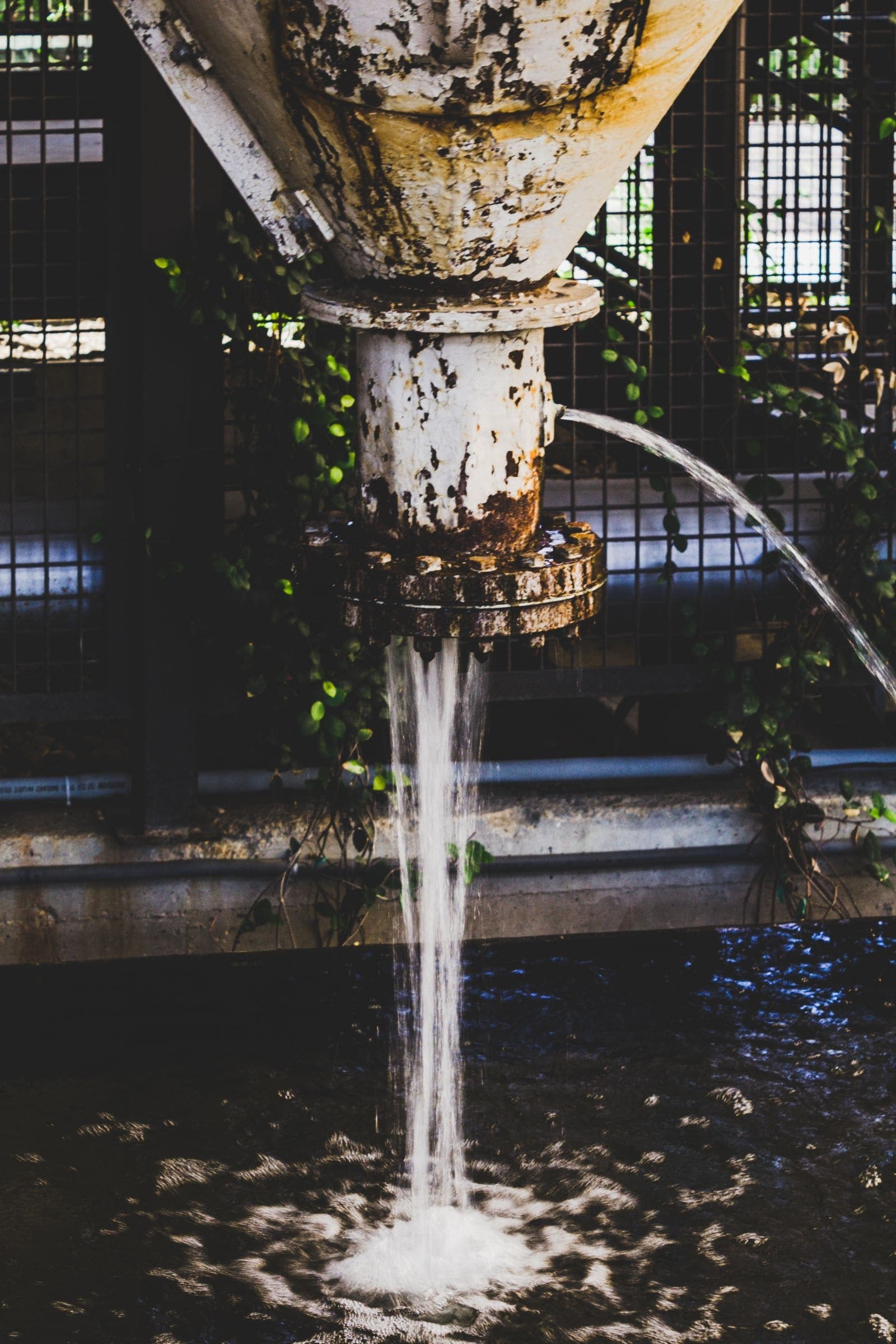
Burst pipe water damage
A burst pipe can release hundreds of gallons an hour, so shutting the main valve comes first, then extraction and drying.
Learn moreWater damage restoration
Water damage restoration removes standing water, dries the structure to a measured dry standard, and repairs or replaces what can't be saved.
Learn more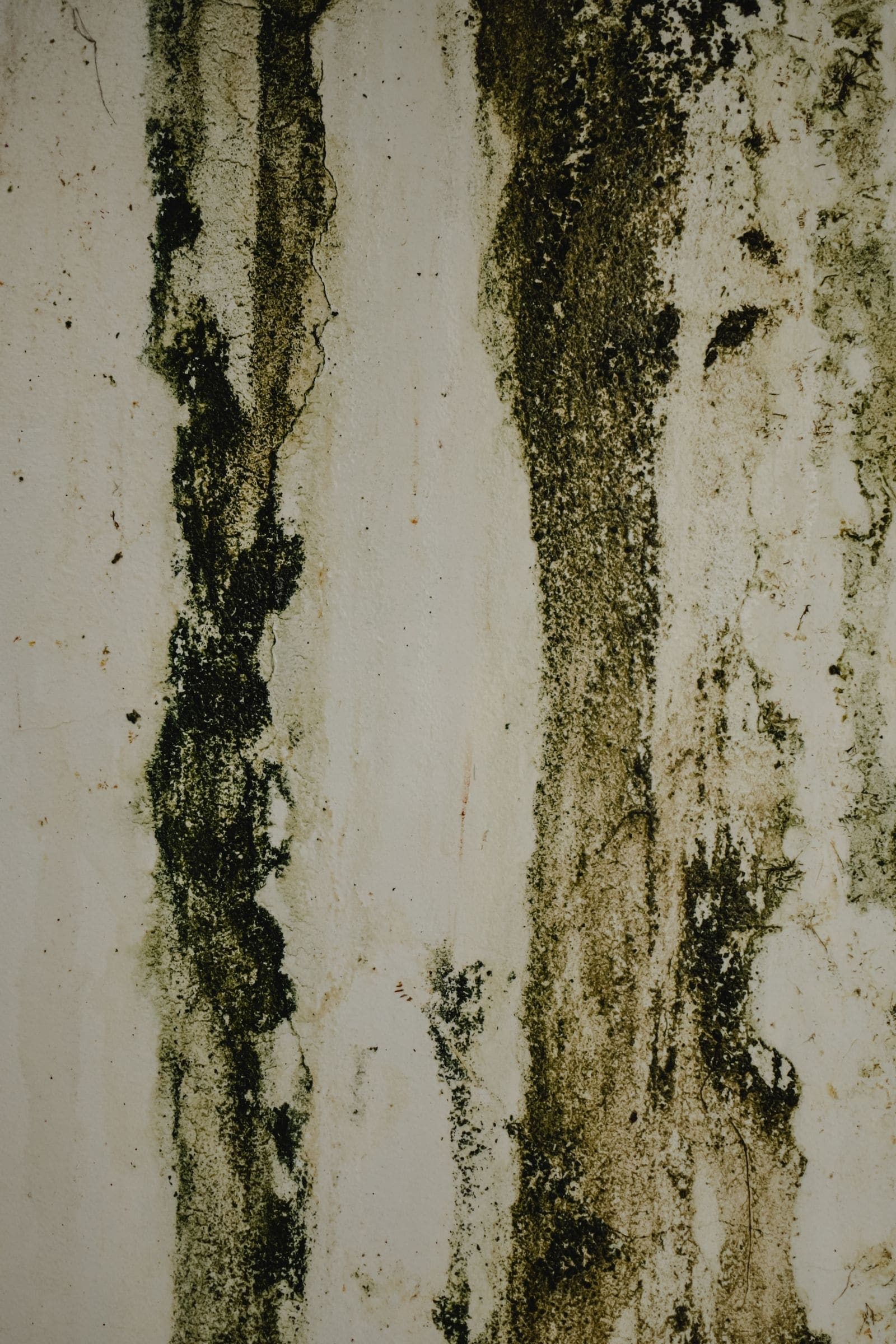
Mold remediation
Mold remediation removes mold growth under containment so spores don't spread, cleans or discards affected materials, and corrects the moisture problem that let it grow.
Learn moreWater, mold or fire damage? Get the right crew on it.
One call connects you with an independent restoration company that serves your ZIP code. Fast call-back during business hours.