
Water damage · Emergency service
Emergency water extraction in Colorado
Water extraction is the first step of any water loss: removing standing and absorbed water with powerful pumps and extractors before drying starts. Extraction pulls out far more water than drying equipment can, which shortens drying time and saves materials.
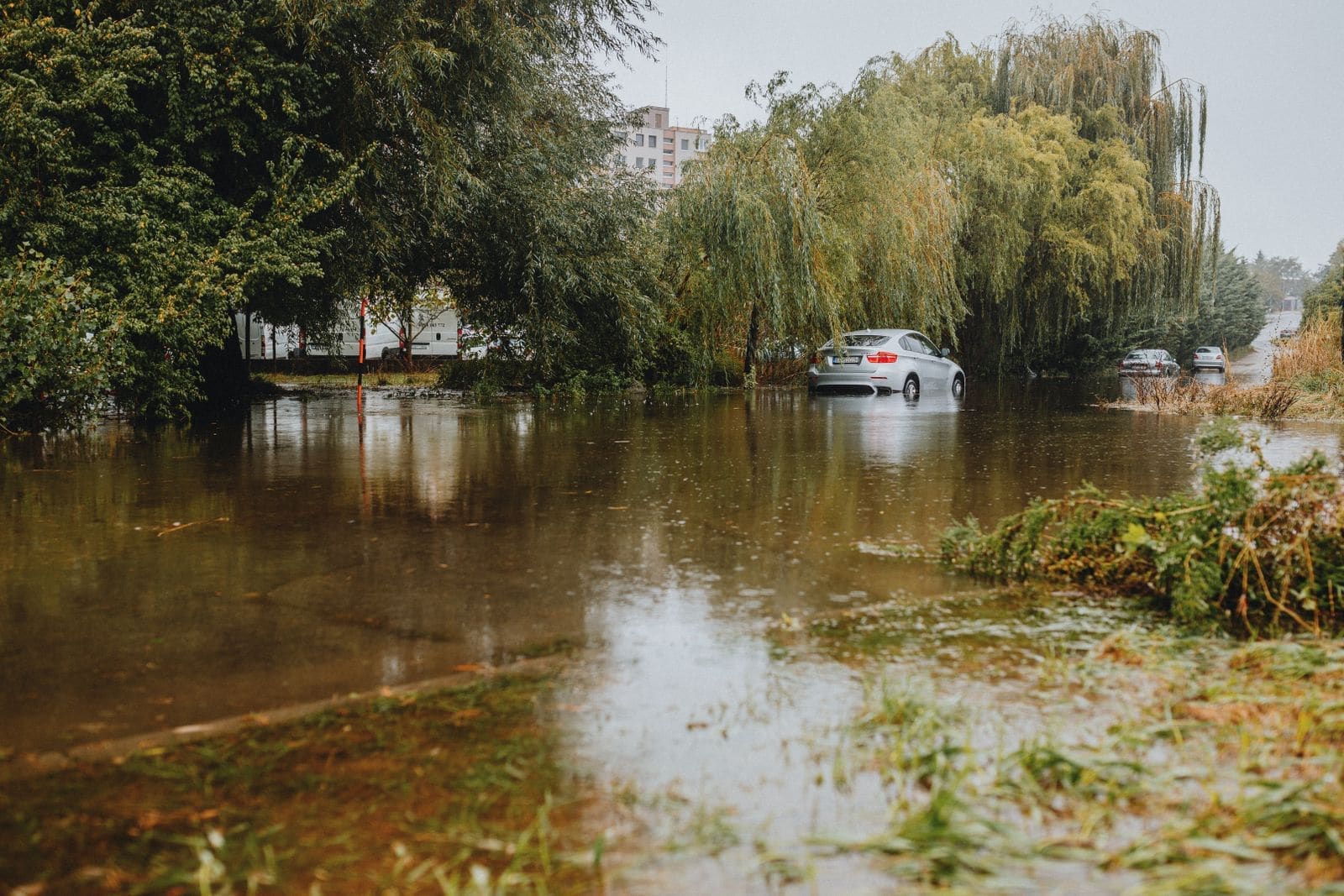
Emergency water extraction in Colorado: local conditions
Partner coverage for water damage in Colorado includes 438 ZIP codes, with local pages for Denver, Colorado Springs, Aurora, Pueblo, Boulder, Littleton, Fort Collins, Grand Junction, Arvada, Greeley. Call with your ZIP to confirm a company serves your address.
In Denver: Denver Squares and brick bungalows have basements, original plumbing and plaster walls. In Colorado Springs: Nearby wildfires bring smoke and ash, and burn scars increase flash flooding. In Aurora: Sudden cold snaps freeze pipes in exterior walls and basements. In Pueblo: Summer storms flood arroyos and low streets.
Basements are common along the Front Range, and mountain homes and cabins face heavy snow loads and freeze risk.
Colorado doesn't license general contractors statewide. Cities and counties, including Denver, license contractors locally, while plumbers and electricians are licensed by the state.
What you can expect
- One call connects you with an independent restoration company that serves your ZIP code.
- Fast call-back during business hours
- Serving Colorado
- Photo and moisture documentation for insurance
Emergency water extraction at a glance
- Category
- Water damage
- Emergency service
- Yes, call for fastest response
- Typical first step
- Safety check
- Area
- Colorado
Other risks in Colorado
Hail damage
Front Range hailstorms damage roofs, gutters and windows, letting water into attics and walls.
Frozen pipes
Rapid temperature drops freeze pipes in exterior walls, crawlspaces and mountain homes.
Wildfire and smoke
Wildfires cause fire and smoke damage, and smoke and soot can reach homes miles away.
Signs you need emergency water extraction
- Visible standing water on any floor
- Carpet that leaves water on your hand when pressed
- Water pooling along walls or under cabinets
How the work is done
Safety check, then Bulk water removal, then Detail extraction, then Set drying. See the full emergency water extraction process.
What affects the cost
Prices depend on the job, so restoration companies in Colorado quote after an assessment. The main drivers are how much area is affected, how long it stayed wet, and what has to be removed or rebuilt. See the full list of emergency water extraction cost factors.
Emergency water extraction questions
Does homeowners insurance cover hail damage in Colorado?
Generally yes, though many Colorado policies have separate wind and hail deductibles, often a percentage of the home's insured value.
Do Colorado contractors need a license?
Licensing is local. Check with your city or county, such as Denver's contractor licensing, and ask for insurance.
How fast should water be extracted?
As soon as possible. Within 24–48 hours, clean water begins to support bacteria and mold, and materials like particleboard and laminate swell beyond saving.
Can wet carpet be saved?
Often, if it was clean water and extraction starts quickly. Carpet pad is usually replaced because it holds water and is inexpensive compared with the drying time it adds.
Cities in Colorado
- Emergency water extraction in Denver
- Emergency water extraction in Colorado Springs
- Aurora
- Emergency water extraction in Pueblo
- Emergency water extraction in Boulder
- Littleton
- Emergency water extraction in Fort Collins
- Emergency water extraction in Grand Junction
- Emergency water extraction in Arvada
- Emergency water extraction in Greeley
Other services in Colorado
- Water Damage in Colorado
- Mold Removal in Colorado
- Fire & Smoke Damage in Colorado
- Sewage & Biohazard Cleanup in Colorado
- Structural drying in Colorado
- Flood damage cleanup in Colorado
- Burst pipe water damage in Colorado
- Ceiling water damage repair in Colorado
- Mold remediation in Colorado
- Attic mold removal in Colorado
- Smoke odor removal in Colorado
- Soot cleanup in Colorado
Related pages
More about water and storm damage in Colorado, or see emergency water extraction nationwide.
Related services
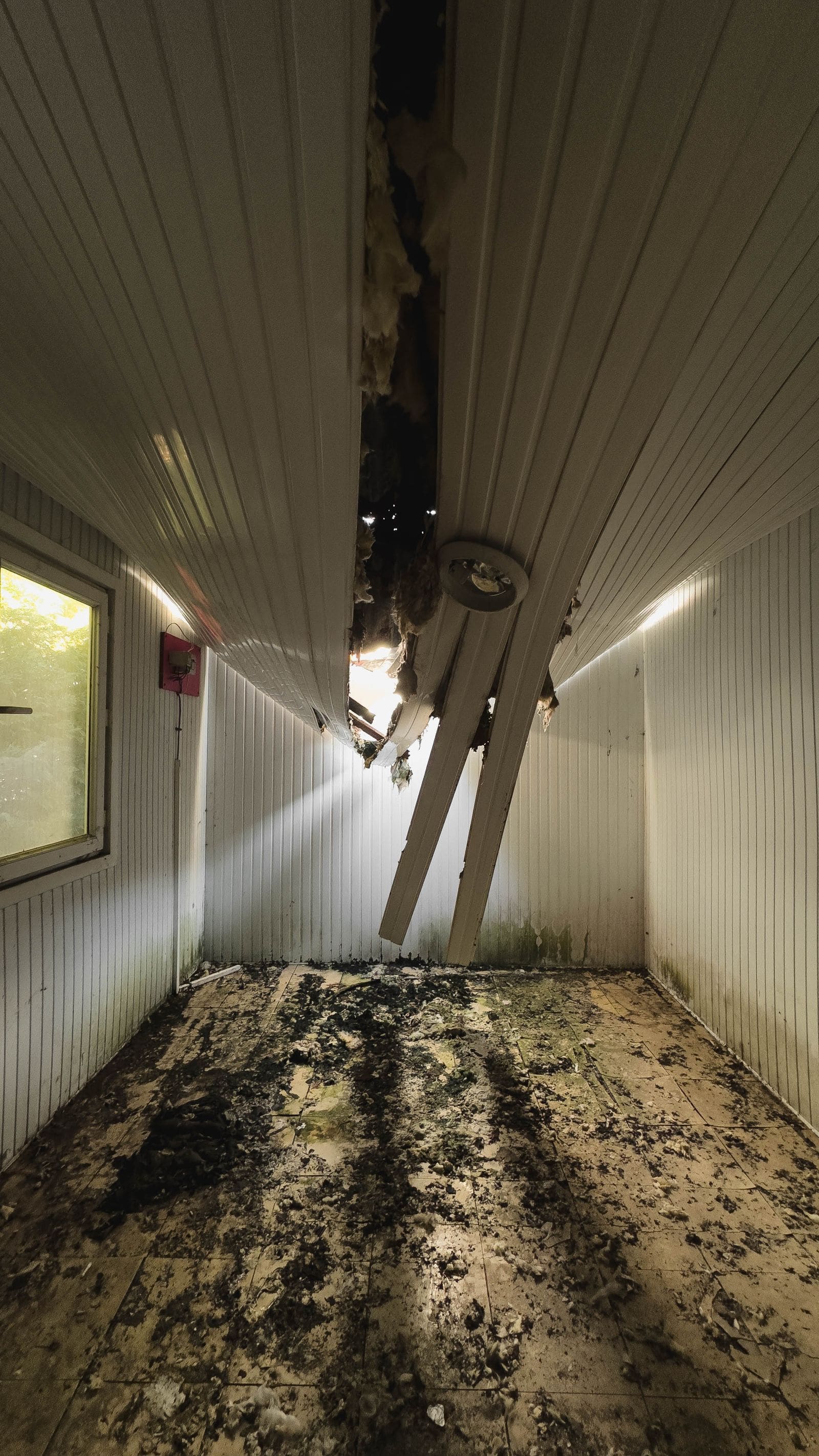
Water damage restoration
Water damage restoration removes standing water, dries the structure to a measured dry standard, and repairs or replaces what can't be saved.
Learn more
Structural drying
Structural drying removes moisture that has soaked into walls, framing, subfloors and cabinets after the visible water is gone.
Learn moreFlood damage cleanup
Flood cleanup treats outside floodwater as contaminated: it removes water and mud, cuts out wet drywall and insulation above the waterline, sanitizes, and dries the structure.
Learn moreWater, mold or fire damage? Get the right crew on it.
One call connects you with an independent restoration company that serves your ZIP code. Fast call-back during business hours.