
Mold removal
Mold remediation in Colorado
Mold remediation removes mold growth under containment so spores don't spread, cleans or discards affected materials, and corrects the moisture problem that let it grow. Several states, including Texas, Florida, Louisiana and New York, license mold remediation, so check your state's rules.
Mold remediation in Colorado: local conditions
Partner coverage for mold removal in Colorado includes 399 ZIP codes, with local pages for Denver, Colorado Springs, Aurora, Pueblo, Boulder, Littleton, Fort Collins, Arvada, Greeley. Call with your ZIP to confirm a company serves your address.
Rapid temperature drops freeze pipes in exterior walls, crawlspaces and mountain homes.
In Denver: Denver's dry air helps materials dry faster than in humid cities, but hidden cavities still need measuring, and drying must start quickly. In Littleton: Sudden arctic cold snaps freeze pipes in exterior walls, garages and crawlspaces. In Fort Collins: Sudden cold snaps freeze pipes in exterior walls, garages and crawlspaces. In Grand Junction: Irrigation canals and ditches run through neighborhoods, and seepage can soak basements and crawlspaces.
Basements are common along the Front Range, and mountain homes and cabins face heavy snow loads and freeze risk.
Colorado doesn't license general contractors statewide. Cities and counties, including Denver, license contractors locally, while plumbers and electricians are licensed by the state.
What you can expect
- One call connects you with an independent restoration company that serves your ZIP code.
- Fast call-back during business hours
- Serving Colorado
- Photo and moisture documentation for insurance
Mold remediation at a glance
- Category
- Mold removal
- Emergency service
- Scheduled visit
- Typical first step
- Assessment
- Area
- Colorado
Other risks in Colorado
Hail damage
Front Range hailstorms damage roofs, gutters and windows, letting water into attics and walls.
Wildfire and smoke
Wildfires cause fire and smoke damage, and smoke and soot can reach homes miles away.
Signs you need mold remediation
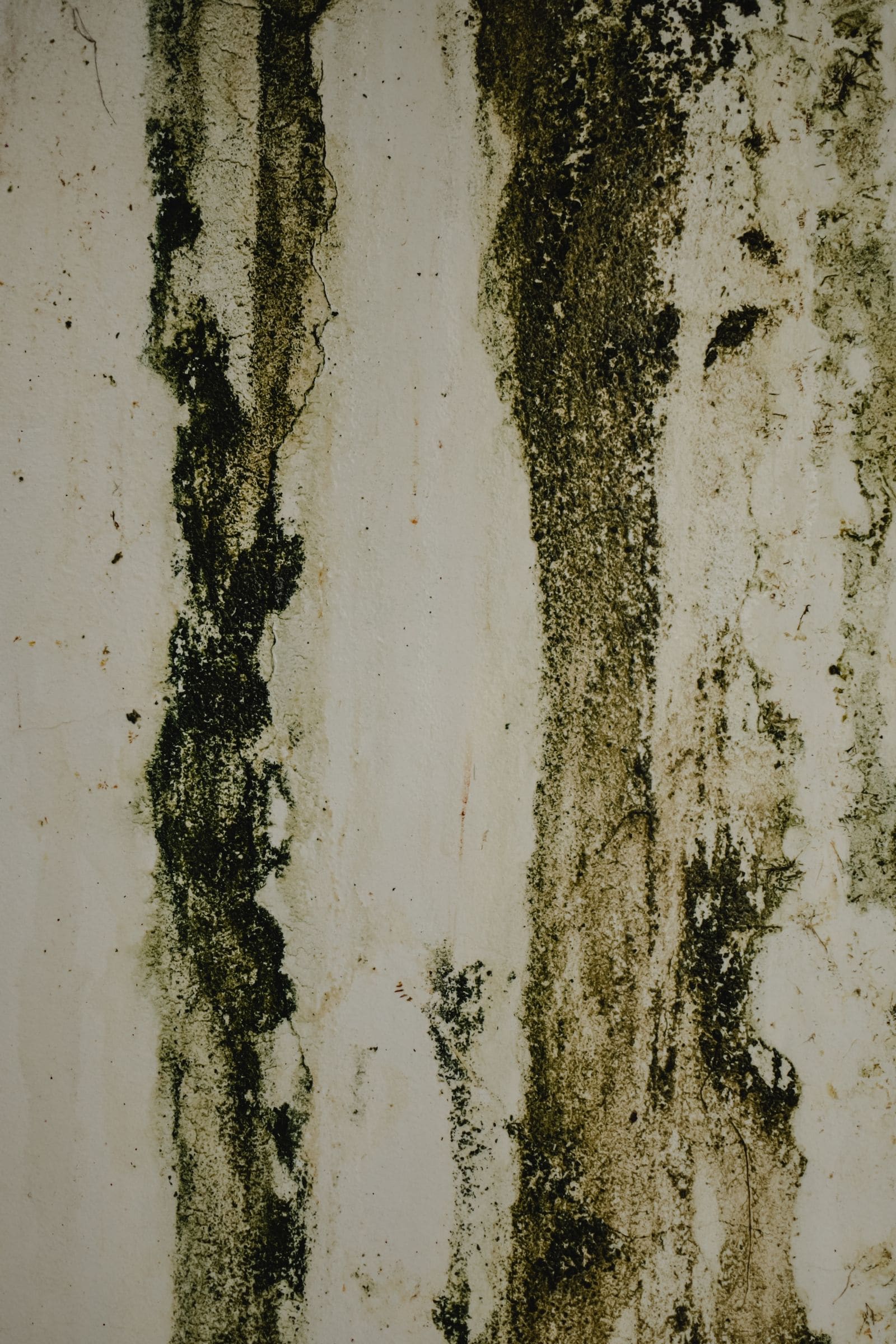
- Visible black, green or white growth on drywall, baseboards or wood
- A musty odor in a closet, bathroom or HVAC closet
- Recurring condensation on AC vents or ducts
How the work is done
Assessment, then Containment, then Removal and cleaning, then Clearance. See the full mold remediation process.
What affects the cost
Prices depend on the job, so restoration companies in Colorado quote after an assessment. The main drivers are how much area is affected, how long it stayed wet, and what has to be removed or rebuilt. See the full list of mold remediation cost factors.
Mold remediation questions
Does homeowners insurance cover hail damage in Colorado?
Generally yes, though many Colorado policies have separate wind and hail deductibles, often a percentage of the home's insured value.
Do Colorado contractors need a license?
Licensing is local. Check with your city or county, such as Denver's contractor licensing, and ask for insurance.
Do I need a licensed company for mold removal?
It depends on your state. Texas, Florida, Louisiana and New York license mold remediation above set sizes. In other states, look for IICRC-certified remediators, insurance and a written scope.
Does bleach kill mold?
Bleach can whiten mold on hard, non-porous surfaces, but it doesn't penetrate drywall or wood and adds moisture. Removal and cleaning, plus fixing the moisture, is the reliable fix.
Cities in Colorado
Other services in Colorado
- Water Damage in Colorado
- Mold Removal in Colorado
- Fire & Smoke Damage in Colorado
- Sewage & Biohazard Cleanup in Colorado
- Emergency water extraction in Colorado
- Structural drying in Colorado
- Flood damage cleanup in Colorado
- Burst pipe water damage in Colorado
- Ceiling water damage repair in Colorado
- Attic mold removal in Colorado
- Smoke odor removal in Colorado
- Soot cleanup in Colorado
Related pages
More about water and storm damage in Colorado, or see mold remediation nationwide.
Related services

Mold inspection & testing
A mold inspection looks for visible growth, hidden moisture and the conditions causing it, using moisture meters, thermal imaging and, when useful, air or surface samples.
Learn more
Attic mold removal
Attic mold usually grows on roof decking from condensation, poor ventilation, bathroom fans vented into the attic, or roof and AC leaks.
Learn moreStructural drying
Structural drying removes moisture that has soaked into walls, framing, subfloors and cabinets after the visible water is gone.
Learn moreWater, mold or fire damage? Get the right crew on it.
One call connects you with an independent restoration company that serves your ZIP code. Fast call-back during business hours.