
Water damage · Emergency service
Flood damage cleanup in Texas
Flood cleanup treats outside floodwater as contaminated: it removes water and mud, cuts out wet drywall and insulation above the waterline, sanitizes, and dries the structure. Floodwater carries sewage and chemicals, so porous materials it touched are usually discarded.
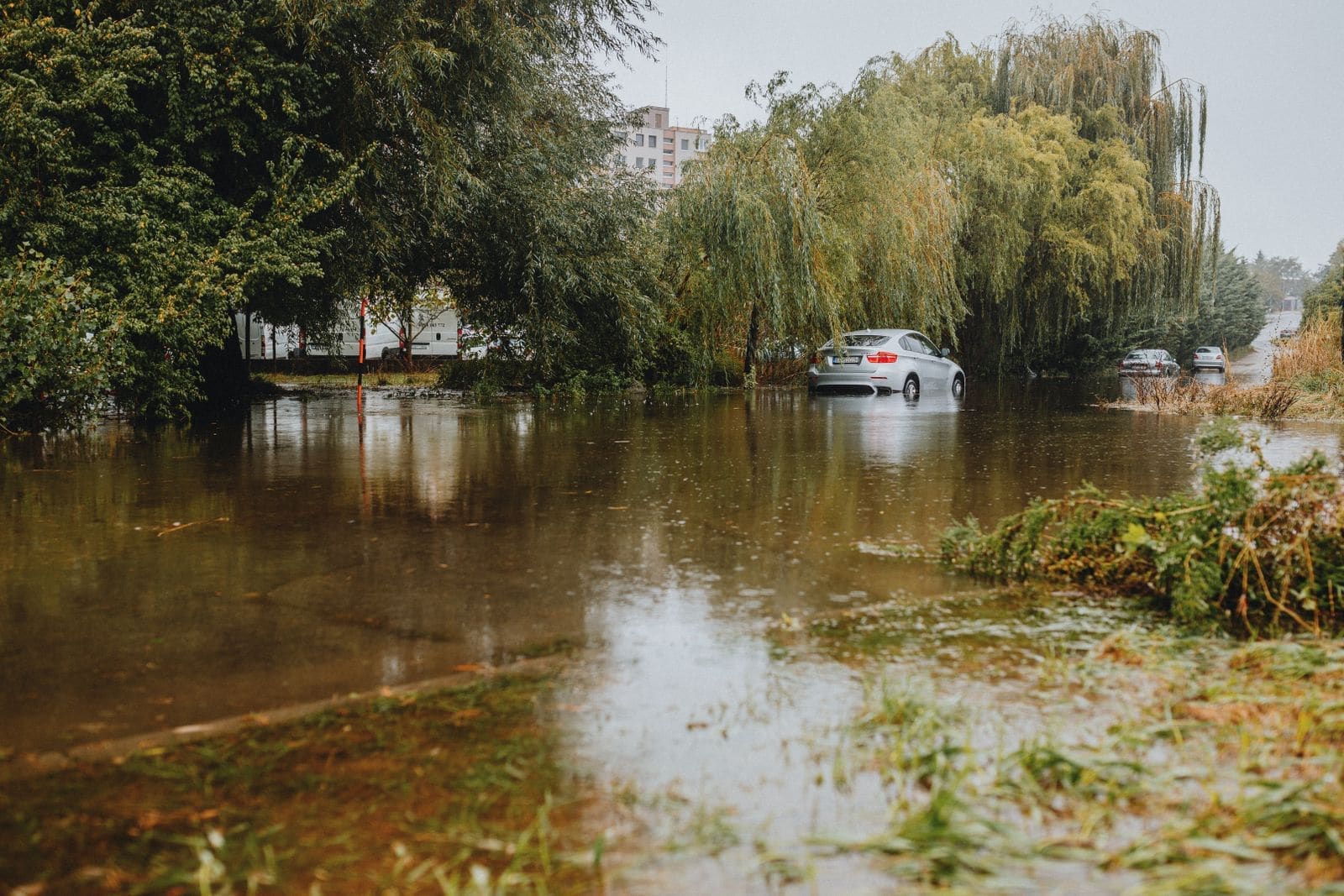
Flood damage cleanup in Texas: local conditions
Partner coverage for water damage in Texas includes 1,415 ZIP codes, with local pages for Dallas, Fort Worth, Arlington, Irving, Plano, Garland, Frisco, McKinney, Denton, Houston, Katy, Sugar Land, Spring, Pasadena, Conroe, Baytown, San Antonio, Austin, Lubbock, Amarillo, Tyler, Waco, Grand Prairie, Killeen, Galveston, Richardson, Round Rock, Mesquite, Temple, Victoria. Call with your ZIP to confirm a company serves your address.
Houston's bayous, Hill Country rivers and the Gulf Coast flood during heavy rain and tropical storms.
In Fort Worth: Low areas near the Trinity River's forks and creeks such as Sycamore and Marine Creek see flash flooding during heavy spring storms. In Irving: Parts of Irving near the Elm Fork of the Trinity River are low-lying, and heavy rain can overwhelm local drainage. In Garland: Neighborhoods sloping toward Lake Ray Hubbard and Duck Creek collect stormwater runoff in heavy rain. Poorly graded yards and clogged gutters can push water against slab edges and under exterior doors. That water counts as outside water, which affects how it's cleaned and how insurance treats it. In Denton: Denton sits between Lake Lewisville and Ray Roberts Lake, and spring storms tracking across North Texas bring heavy rain and hail. Pecan Creek and Cooper Creek can rise quickly, flooding low streets and backing up storm drains in older neighborhoods near downtown.
Most homes are slab-on-grade with water lines and HVAC equipment in the attic, from post-war ranches to large master-planned communities.
Texas doesn't license general contractors statewide, but it licenses mold assessors and mold remediation contractors through the Texas Department of Licensing and Regulation (TDLR) for projects of 25 contiguous square feet or more.
What you can expect
- One call connects you with an independent restoration company that serves your ZIP code.
- Fast call-back during business hours
- Serving Texas
- Photo and moisture documentation for insurance
Flood damage cleanup at a glance
- Category
- Water damage
- Emergency service
- Yes, call for fastest response
- Typical first step
- Make safe
- Area
- Texas
Other risks in Texas
Freeze bursts
Water lines in attics and exterior walls burst during hard freezes, as in February 2021.
Slab leaks and hail
Expansive clay soils crack under-slab pipes, and hail damages roofs across North and Central Texas.
Signs you need flood damage cleanup
- Water entered from outside, at doors or through the slab
- A visible waterline on walls
- Mud or debris left on floors
How the work is done
Make safe, then Remove water and debris, then Flood cuts and sanitizing, then Dry and verify. See the full flood damage cleanup process.
What affects the cost
Prices depend on the job, so restoration companies in Texas quote after an assessment. The main drivers are how much area is affected, how long it stayed wet, and what has to be removed or rebuilt. See the full list of flood damage cleanup cost factors.
Flood damage cleanup questions
Do I need a licensed mold company in Texas?
Yes, for jobs of 25 contiguous square feet or more. Texas requires a TDLR-licensed remediator, plus an independent licensed assessor to write the protocol.
Is a slab leak covered by insurance in Texas?
Many policies cover the water damage and the cost to access the pipe, but not the pipe repair itself. Your policy wording decides.
Is flood damage covered by homeowners insurance?
Usually not. Rising water from outside is typically covered only by a flood policy (NFIP or private). Water from a burst pipe is a different claim under your homeowners policy.
Can drywall that got flood water be dried?
Generally no. Floodwater is contaminated, so the IICRC S500 standard calls for removing porous materials it soaked, including drywall and insulation, above the waterline.
Cities in Texas
- Dallas
- Flood damage cleanup in Fort Worth
- Arlington
- Irving
- Plano
- Flood damage cleanup in Garland
- Frisco
- McKinney
- Flood damage cleanup in Denton
- Flood damage cleanup in Houston
- Flood damage cleanup in Katy
- Sugar Land
- Spring
- Pasadena
- Conroe
- Flood damage cleanup in Baytown
- El Paso
- Flood damage cleanup in San Antonio
- Flood damage cleanup in Austin
- Lubbock
- Amarillo
- Tyler
- Waco
- Longview
- Grand Prairie
- Killeen
- Flood damage cleanup in Galveston
- Flood damage cleanup in Richardson
- Round Rock
- Flood damage cleanup in Mesquite
- Temple
- Flood damage cleanup in Victoria
Other services in Texas
- Water Damage in Texas
- Mold Removal in Texas
- Fire & Smoke Damage in Texas
- Sewage & Biohazard Cleanup in Texas
- Emergency water extraction in Texas
- Structural drying in Texas
- Burst pipe water damage in Texas
- Ceiling water damage repair in Texas
- Mold remediation in Texas
- Attic mold removal in Texas
- Sewage backup cleanup in Texas
Related pages
More about water and storm damage in Texas, or see flood damage cleanup nationwide.
Related services
Emergency water extraction
Water extraction is the first step of any water loss: removing standing and absorbed water with powerful pumps and extractors before drying starts.
Learn more
Sewage backup cleanup
Sewage cleanup treats the water as Category 3 (grossly contaminated): crews in protective gear remove it, discard porous materials it touched, clean and disinfect hard surfaces, and dry the structure.
Learn more
Mold remediation
Mold remediation removes mold growth under containment so spores don't spread, cleans or discards affected materials, and corrects the moisture problem that let it grow.
Learn moreWater, mold or fire damage? Get the right crew on it.
One call connects you with an independent restoration company that serves your ZIP code. Fast call-back during business hours.