
Fire & smoke damage · Emergency service
Fire & Smoke Damage in Spring, TX
Fire damage restoration covers securing the property, removing water from firefighting, cleaning soot from surfaces and contents, removing smoke odor, and rebuilding what burned. Smoke spreads far beyond the flames, so most of the work is cleaning.

Fire & Smoke Damage in Spring: local conditions
Partner coverage for fire and smoke damage in Spring currently includes 10 ZIP codes: 77373, 77379, 77380, 77381, 77382, 77383, 77386, 77387, 77388, 77389. If your ZIP is on this list, a call connects you with a company that serves it.
Because Spring is unincorporated, building permits generally go through Harris County or Montgomery County, and many neighborhoods have their own MUD and HOA rules. Older 1970s–80s homes are reaching the age for drain and supply-line failures.
Licensing in Texas: Texas doesn't license general contractors statewide, but it licenses mold assessors and mold remediation contractors through the Texas Department of Licensing and Regulation (TDLR) for projects of 25 contiguous square feet or more.
What you can expect
- One call connects you with an independent restoration company that serves your ZIP code.
- Fast call-back during business hours
- Serving Spring, TX
- Photo and moisture documentation for insurance
Fire & Smoke Damage at a glance
- Category
- Fire & smoke damage
- Emergency service
- Yes, call for fastest response
- Typical first step
- Secure the property
- Area
- Spring, TX
Other risks in Spring
Creek flooding
Cypress Creek and Spring Creek have flooded neighborhoods in major storms, including the 2016 Tax Day flood and Harvey in 2017.
Tree damage and roots
Large trees drop limbs on roofs in storms, and roots invade older clay and cast-iron sewer lines, causing backups.
Humidity and attic mold
Shaded, humid attics with sweating ducts are prone to mold on decking and insulation.
Septic and older lines on the edges
Some older Spring-area properties on larger lots still use septic systems or aging private sewer lines. A failed septic system or blocked lateral can push sewage back into the house during heavy rain, which calls for Category 3 cleanup and a plumber or septic contractor.
Signs you need fire & smoke damage
- Black or gray film on walls, ceilings and windows
- Smoke odor that returns on warm or humid days
- Water damage from firefighting
How the work is done
Secure the property, then Remove water, then Clean soot and smoke, then Remove odor, then Restore and rebuild. See the full fire & smoke damage process.
What affects the cost
Prices depend on the job, so restoration companies in Spring quote after an assessment. The main drivers are how much area is affected, how long it stayed wet, and what has to be removed or rebuilt. See the full list of fire & smoke damage cost factors.
Fire & Smoke Damage questions
Who issues permits in Spring, TX?
Spring isn't an incorporated city, so permits generally go through Harris County or Montgomery County depending on the address. HOAs may have their own approval steps.
Why do tree roots cause sewer backups in Spring?
Roots find small cracks and joints in older clay and cast-iron sewer pipes, grow inside, and catch debris until the line blocks.
Can I clean soot myself?
Light dry soot in a small area sometimes can be, but wiping often smears it deeper. Larger areas, oily soot and anything involving odor are best left to professionals with the right cleaning methods.
Does homeowners insurance cover smoke damage from a wildfire?
Usually yes, even if the fire didn't reach your home. Document the damage, including ash and odor, and report it to your insurer quickly.
Related pages
Other services in Spring
Fire & Smoke Damage in nearby cities
More about water and storm damage in Spring, or see fire & smoke damage nationwide.
Related services
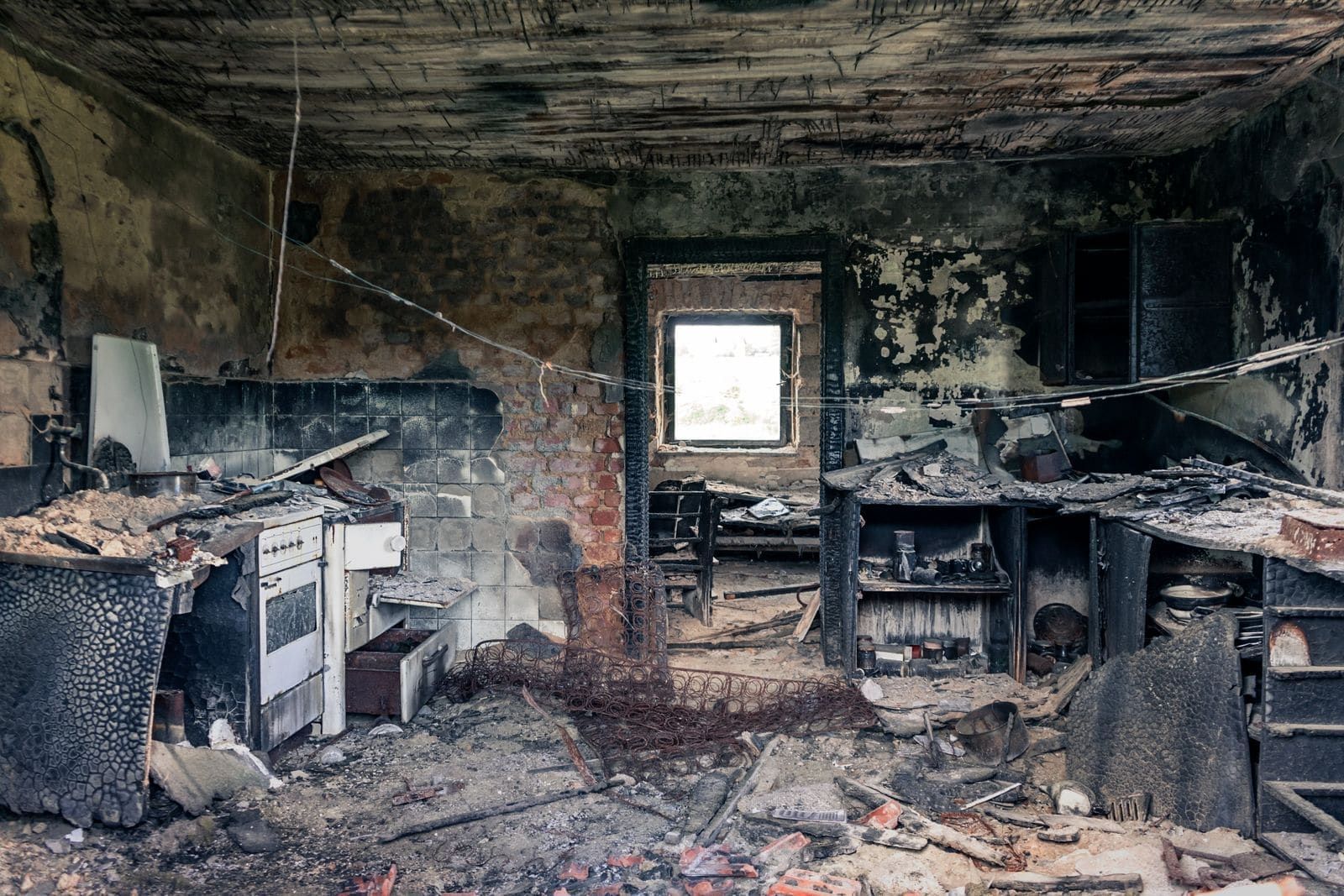
Fire damage restoration
Fire damage restoration secures the property, removes debris, cleans soot from surfaces and contents, removes smoke odor, dries water left by firefighting, and repairs the structure.
Learn more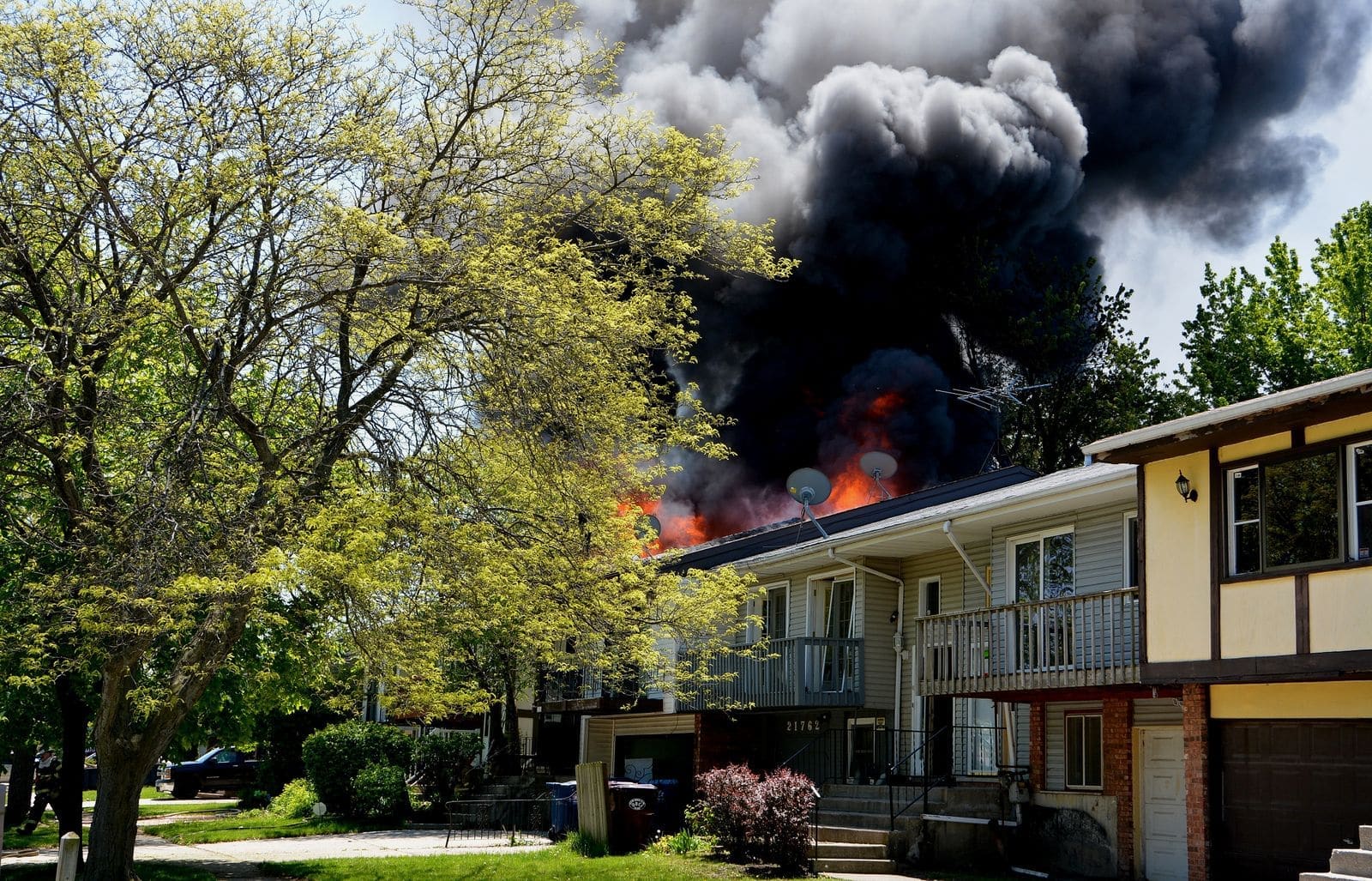
Smoke odor removal
Smoke odor removal works by cleaning the residue that causes the smell, then neutralizing what's left with thermal fogging, hydroxyl generators or ozone, and sealing surfaces that still hold odor.
Learn moreSoot cleanup
Soot cleanup removes the oily or dry carbon residue left by fire, furnace puffbacks or candles, using dry chemical sponges and HEPA vacuums before any wet cleaning.
Learn moreWater, mold or fire damage? Get the right crew on it.
One call connects you with an independent restoration company that serves your ZIP code. Fast call-back during business hours.