Fire & smoke damage · Emergency service
Fire and smoke damage cleanup
Fire damage restoration covers securing the property, removing water from firefighting, cleaning soot from surfaces and contents, removing smoke odor, and rebuilding what burned. Smoke spreads far beyond the flames, so most of the work is cleaning.
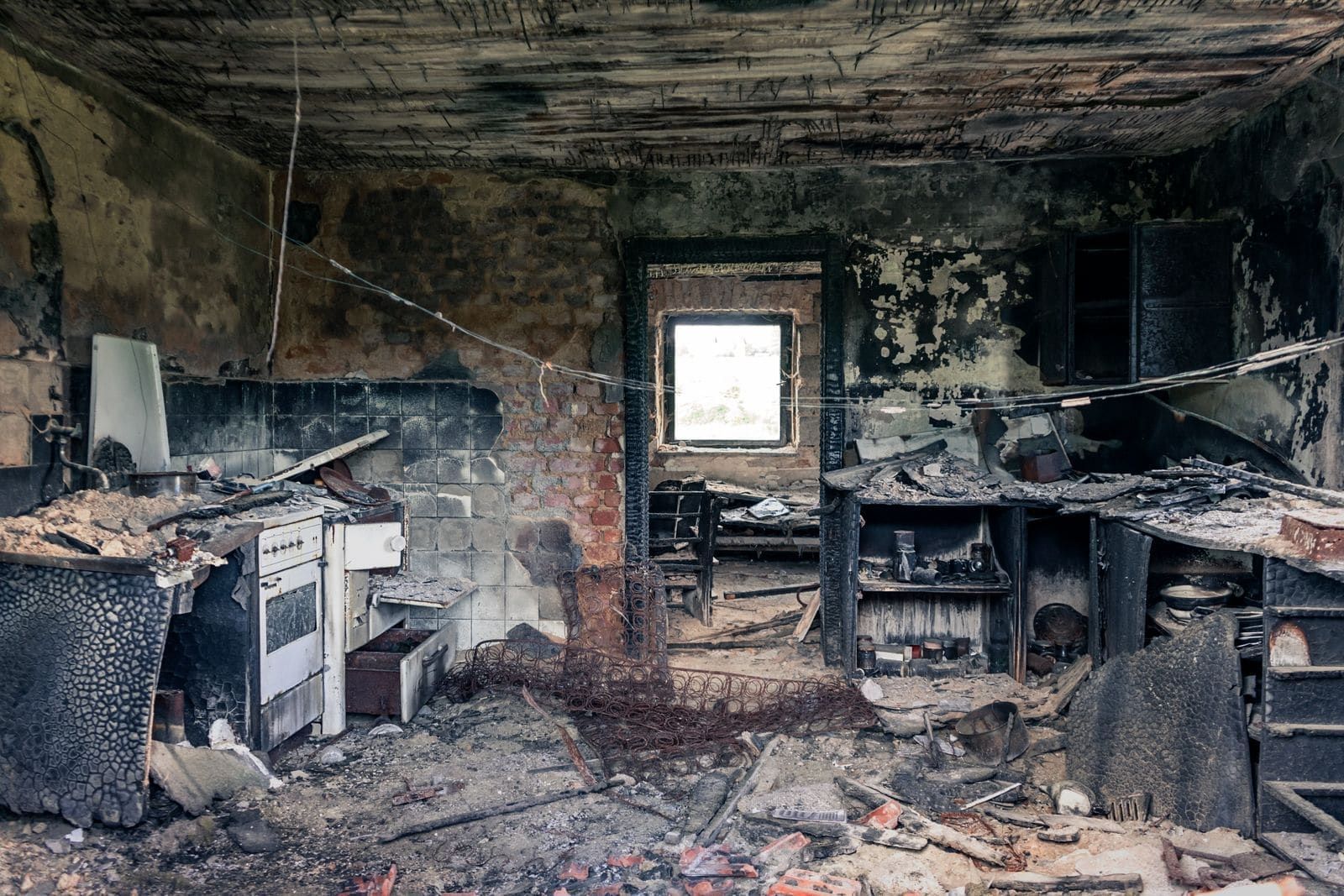
A house fire leaves three kinds of damage: what actually burned, soot and smoke residue that coats rooms far from the fire, and water from the hoses that put it out. Soot is acidic and starts etching and discoloring surfaces within hours to days, and smoke odor gets into drywall, insulation, ducts and fabrics. Wildfire smoke can cause the same residue and odor problems in homes the flames never reached.
Restoration starts with safety: the fire department releases the property, then the structure is secured with board-up and tarps. Crews remove water, sort contents into what can be cleaned and what can't, clean soot with methods matched to the residue type, and treat odor with methods like thermal fogging, ozone or hydroxyl generators. HVAC systems usually need cleaning, too, because they spread smoke throughout the house.
What you can expect
- One call connects you with an independent restoration company that serves your ZIP code.
- Fast call-back during business hours
- Serving All 50 states + D.C.
- Photo and moisture documentation for insurance
Fire & Smoke Damage at a glance
- Category
- Fire & smoke damage
- Emergency service
- Yes, call for fastest response
- Typical first step
- Secure the property
- Area
- All 50 states + D.C.
Signs you need fire & smoke damage
- Black or gray film on walls, ceilings and windows
- Smoke odor that returns on warm or humid days
- Water damage from firefighting
- Discolored or pitted metal fixtures and appliances
- Ash in vents, attic insulation or window sills after a wildfire
- Damaged roof, windows or doors that leave the home open
How the work is done
- 1
Secure the property
Board-up and roof tarping protect the home from weather and entry after the fire department releases it.
- 2
Remove water
Water from firefighting is extracted and the structure is dried so mold doesn't follow the fire.
- 3
Clean soot and smoke
Surfaces are cleaned with dry sponges, HEPA vacuums or wet cleaning depending on the residue type.
- 4
Remove odor
Odor sources are removed and remaining odor is treated with thermal fogging, ozone or hydroxyl equipment, and ducts are cleaned.
- 5
Restore and rebuild
Contents are cleaned or documented as losses, and burned or unsalvageable materials are rebuilt.
What affects the cost
Prices depend on the job, so restoration companies quote after an assessment. These factors drive the number:
- How much of the home burned versus smoke-damaged
- Type of soot, such as dry, oily or protein residue
- Water damage from firefighting
- Contents cleaning and pack-out
- HVAC and duct cleaning
- Structural repairs and rebuild
What to do right now
Safe to do yourself
- Wait for the fire department to say it's safe to enter
- Call your insurer and start a claim
- Take photos and video of every room
- Change the HVAC filter and keep the system off until it's cleaned
- Remove valuables and medicines if it's safe
Call a professional if…
- Any structural damage, sagging ceilings or roof damage
- Soot covers more than a small area
- Smoke odor persists after airing out
- Water from firefighting soaked floors or walls
- Electrical systems were affected
Fire & Smoke Damage questions
Can I clean soot myself?
Light dry soot in a small area sometimes can be, but wiping often smears it deeper. Larger areas, oily soot and anything involving odor are best left to professionals with the right cleaning methods.
Does homeowners insurance cover smoke damage from a wildfire?
Usually yes, even if the fire didn't reach your home. Document the damage, including ash and odor, and report it to your insurer quickly.
How long does smoke odor removal take?
Often a few days after cleaning is done, depending on how far the smoke traveled. Odor in insulation, ducts and wall cavities may require removing materials.
Where this service is available
Available in all 50 states and D.C. These cities have their own local pages:
Related services
Fire damage restoration
Fire damage restoration secures the property, removes debris, cleans soot from surfaces and contents, removes smoke odor, dries water left by firefighting, and repairs the structure.
Learn more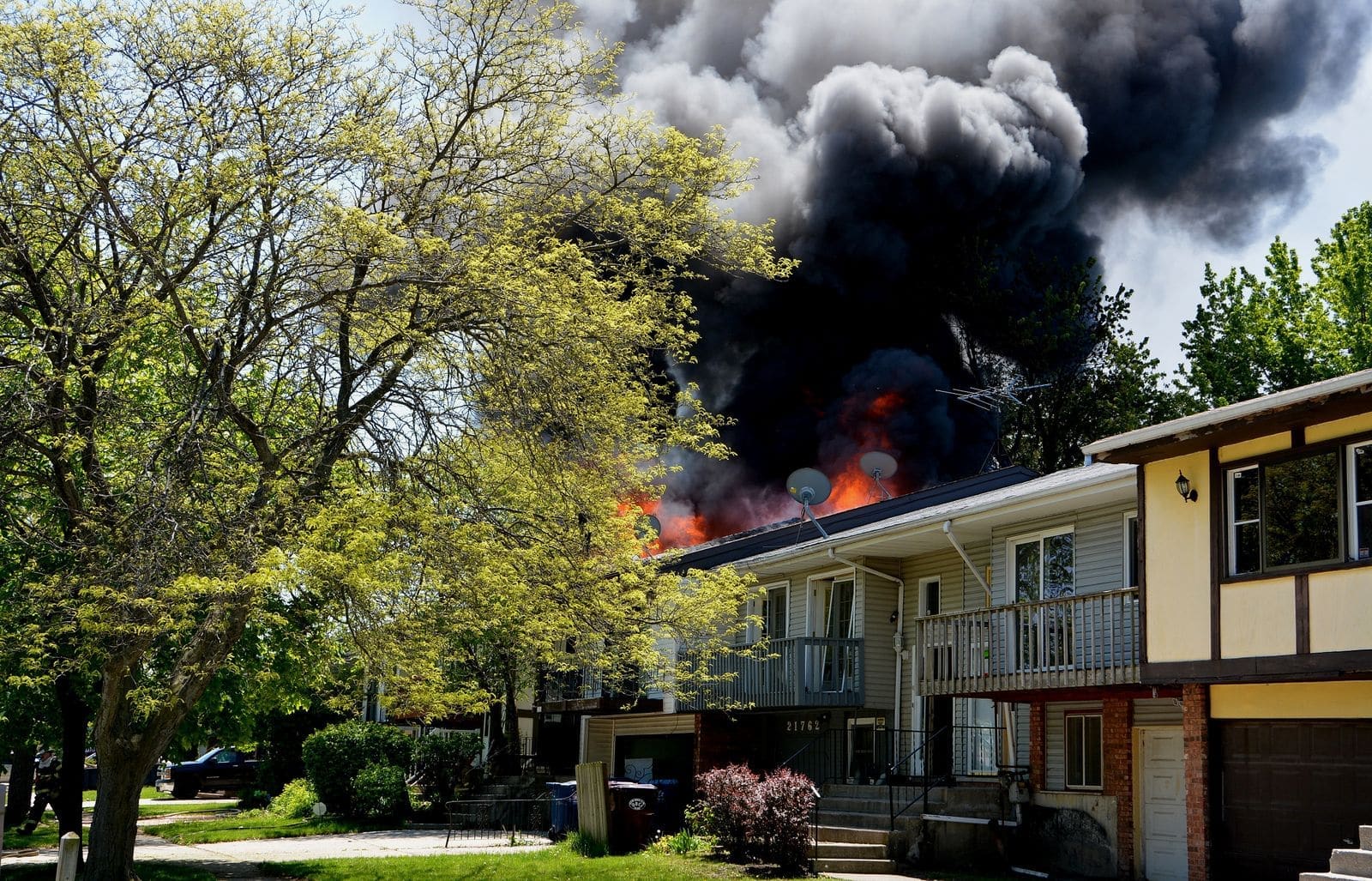
Smoke odor removal
Smoke odor removal works by cleaning the residue that causes the smell, then neutralizing what's left with thermal fogging, hydroxyl generators or ozone, and sealing surfaces that still hold odor.
Learn moreSoot cleanup
Soot cleanup removes the oily or dry carbon residue left by fire, furnace puffbacks or candles, using dry chemical sponges and HEPA vacuums before any wet cleaning.
Learn moreWater, mold or fire damage? Get the right crew on it.
One call connects you with an independent restoration company that serves your ZIP code. Fast call-back during business hours.