Fire & smoke damage · Emergency service
Fire & Smoke Damage in Virginia
Fire damage restoration covers securing the property, removing water from firefighting, cleaning soot from surfaces and contents, removing smoke odor, and rebuilding what burned. Smoke spreads far beyond the flames, so most of the work is cleaning.
Fire & Smoke Damage in Virginia: local conditions
Partner coverage for fire and smoke damage in Virginia includes 107 ZIP codes, with local pages for Alexandria, Richmond, Fairfax, Reston, Ashburn. Call with your ZIP to confirm a company serves your address.
In Arlington: The July 8, 2019 storm flooded basements, roads and homes across Arlington within an hour. In Chesapeake: Peat fires in the Great Dismal Swamp, like the 2011 Lateral West fire, can push smoke into homes across southern Chesapeake. In Richmond: Gaston in 2004 flooded Shockoe Bottom with heavy rain.
Housing ranges from colonial-era homes to large post-1990 suburban subdivisions. Crawlspace foundations are common in the south and center of the state, basements in the north.
Virginia requires contractors to be licensed by the Department of Professional and Occupational Regulation (DPOR) Board for Contractors. Check the license class and number.
What you can expect
- One call connects you with an independent restoration company that serves your ZIP code.
- Fast call-back during business hours
- Serving Virginia
- Photo and moisture documentation for insurance
Fire & Smoke Damage at a glance
- Category
- Fire & smoke damage
- Emergency service
- Yes, call for fastest response
- Typical first step
- Secure the property
- Area
- Virginia
Other risks in Virginia
Tidal and storm flooding in Hampton Roads
Norfolk and Virginia Beach see recurrent tidal flooding, plus surge and heavy rain from hurricanes and nor'easters.
Crawlspace moisture and mold
Humid summers keep crawlspaces damp across central and southern Virginia, leading to mold and wood rot.
Freeze damage and basements
Northern Virginia homes with finished basements are vulnerable to frozen pipes, sump failures and storm water.
Signs you need fire & smoke damage
- Black or gray film on walls, ceilings and windows
- Smoke odor that returns on warm or humid days
- Water damage from firefighting
How the work is done
Secure the property, then Remove water, then Clean soot and smoke, then Remove odor, then Restore and rebuild. See the full fire & smoke damage process.
What affects the cost
Prices depend on the job, so restoration companies in Virginia quote after an assessment. The main drivers are how much area is affected, how long it stayed wet, and what has to be removed or rebuilt. See the full list of fire & smoke damage cost factors.
Fire & Smoke Damage questions
Does flood insurance matter outside Virginia's coast?
Yes. Flash flooding and river flooding affect inland areas too, and homeowners policies don't cover rising water.
How do I verify a Virginia contractor?
Use the DPOR license lookup to check the contractor's Board for Contractors license and class.
Can I clean soot myself?
Light dry soot in a small area sometimes can be, but wiping often smears it deeper. Larger areas, oily soot and anything involving odor are best left to professionals with the right cleaning methods.
Does homeowners insurance cover smoke damage from a wildfire?
Usually yes, even if the fire didn't reach your home. Document the damage, including ash and odor, and report it to your insurer quickly.
Cities in Virginia
Other services in Virginia
Related pages
More about water and storm damage in Virginia, or see fire & smoke damage nationwide.
Related services
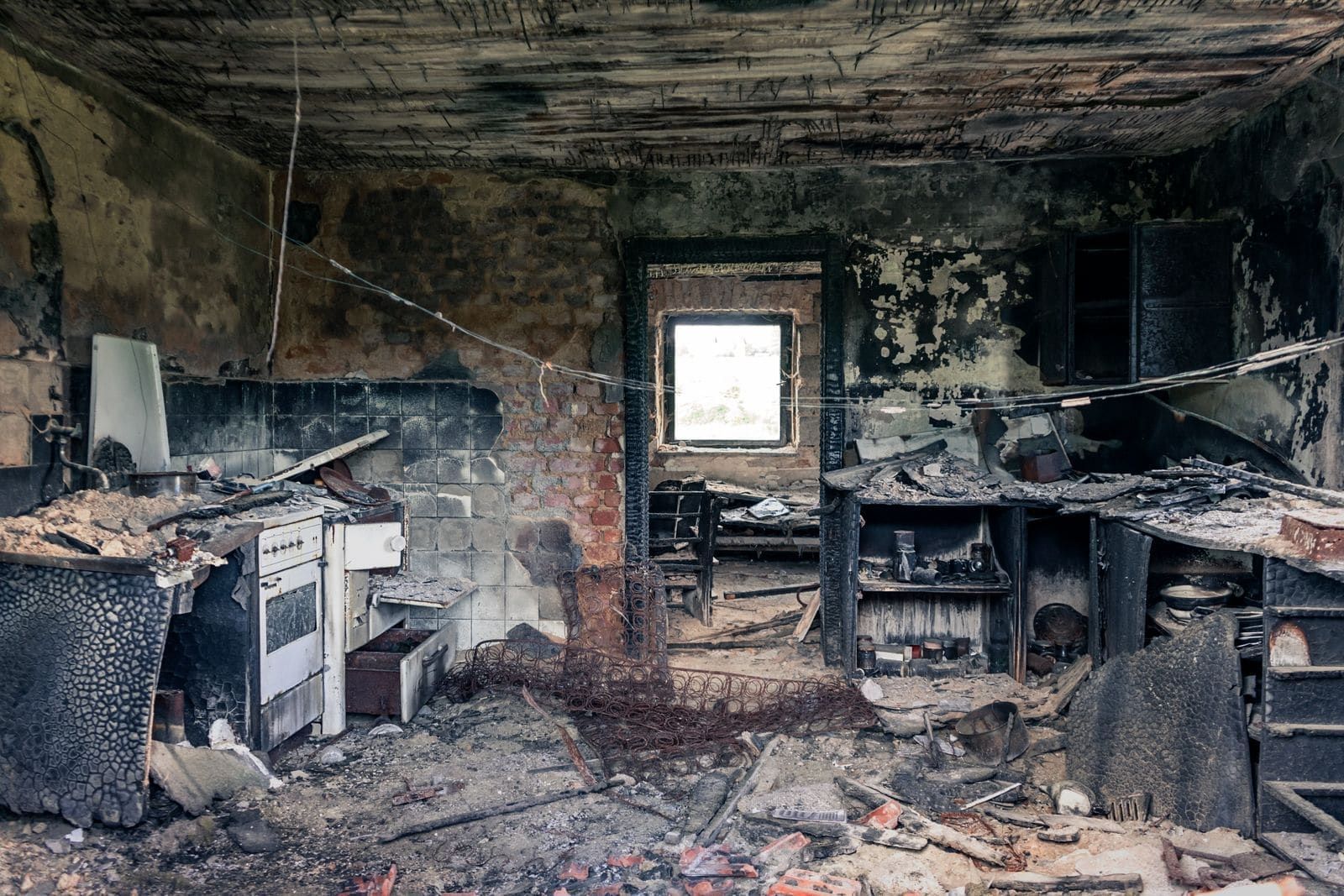
Fire damage restoration
Fire damage restoration secures the property, removes debris, cleans soot from surfaces and contents, removes smoke odor, dries water left by firefighting, and repairs the structure.
Learn more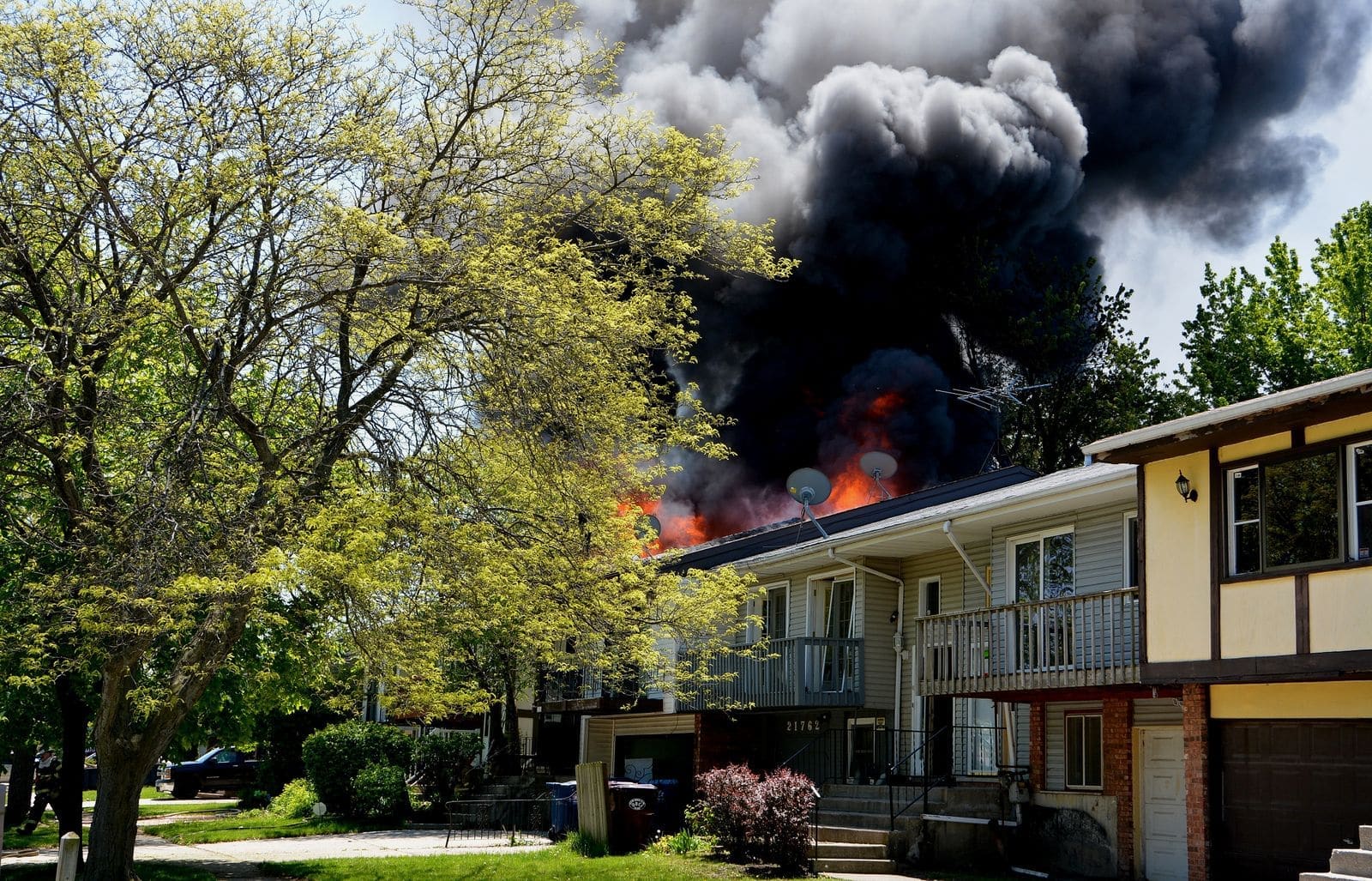
Smoke odor removal
Smoke odor removal works by cleaning the residue that causes the smell, then neutralizing what's left with thermal fogging, hydroxyl generators or ozone, and sealing surfaces that still hold odor.
Learn moreSoot cleanup
Soot cleanup removes the oily or dry carbon residue left by fire, furnace puffbacks or candles, using dry chemical sponges and HEPA vacuums before any wet cleaning.
Learn moreWater, mold or fire damage? Get the right crew on it.
One call connects you with an independent restoration company that serves your ZIP code. Fast call-back during business hours.