
Sewage & biohazard · Emergency service
Sewage and biohazard cleanup
Sewage backups, contaminated floodwater and other biohazards are Category 3 losses. They need protective equipment, removal of porous materials that were touched, cleaning and disinfection of everything else, and careful drying.
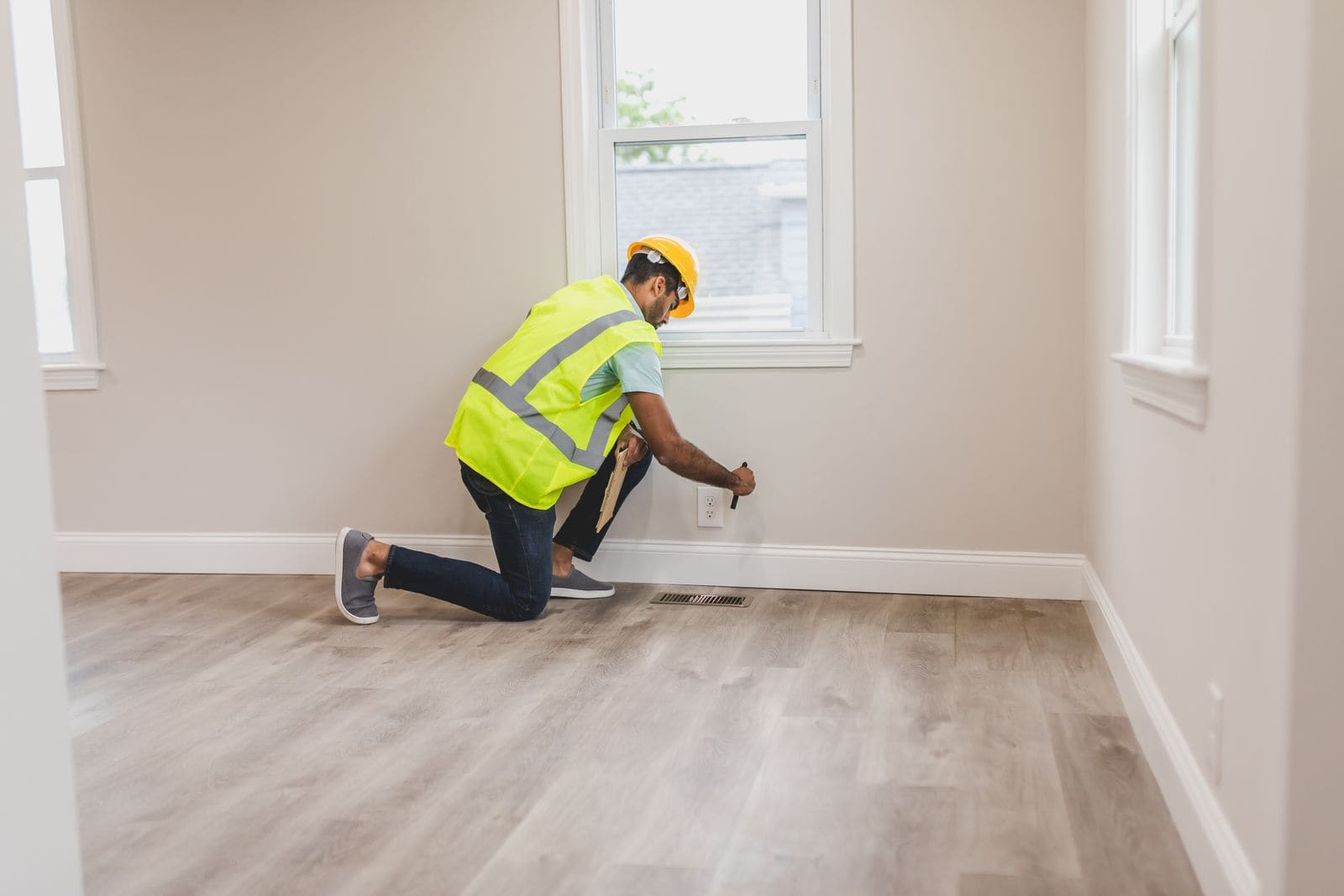
Category 3 water carries bacteria, viruses and other contaminants. It includes sewage that backs up through floor drains and toilets, floodwater from rivers, storm surge and overflowing streets, and water that has sat long enough to grow bacteria. Because the contamination soaks into porous materials, carpet, pad, drywall and insulation that the water reached usually have to be removed, not just dried.
Cleanup follows guidance like the IICRC S500 standard. Crews wear protective equipment, contain the area, remove contaminated water and materials, clean and disinfect hard surfaces, and dry the structure. Biohazard cleanup also covers situations such as unattended deaths, hoarding and animal waste, which need trained technicians and proper disposal.
What you can expect
- One call connects you with an independent restoration company that serves your ZIP code.
- Fast call-back during business hours
- Serving All 50 states + D.C.
- Photo and moisture documentation for insurance
Sewage & Biohazard Cleanup at a glance
- Category
- Sewage & biohazard
- Emergency service
- Yes, call for fastest response
- Typical first step
- Protect people and contain the area
- Area
- All 50 states + D.C.
Signs you need sewage & biohazard cleanup
- Water or waste coming up through floor drains, toilets or tubs
- A strong sewage smell in a basement or bathroom
- Floodwater that entered the home from outside
- Gurgling drains or several fixtures backing up at once
- Standing water that has sat for more than a day or two
- Any situation involving blood, bodily fluids or animal waste
How the work is done
- 1
Protect people and contain the area
Protective equipment is used, the area is isolated, and HVAC is shut down to keep contaminants from spreading.
- 2
Remove contaminated water
Sewage and floodwater are extracted and disposed of according to local rules.
- 3
Remove porous materials
Carpet, pad, drywall, insulation and other porous materials the water touched are cut out and bagged.
- 4
Clean and disinfect
Hard surfaces and framing are cleaned and treated with antimicrobials, then dried to measured targets.
- 5
Verify and rebuild
The area is checked before rebuild, and the cause, such as a blocked sewer line, is repaired.
What affects the cost
Prices depend on the job, so restoration companies quote after an assessment. These factors drive the number:
- Square footage and how high the water reached
- Type of contamination
- Amount of material that has to be removed
- Contents that can't be cleaned
- Disposal requirements
- Plumbing or sewer line repairs
What to do right now
Safe to do yourself
- Stay out of the water and keep children and pets away
- Stop using toilets, sinks and showers if the sewer is backing up
- Turn off power to the area if it's safe to reach
- Take photos for insurance from a safe spot
- Call a plumber to clear the line
Call a professional if…
- Any sewage or floodwater in living space
- Water touched carpet, drywall or insulation
- The backup involved more than a single fixture
- Anyone in the home is pregnant, elderly or has a weakened immune system
- Any blood, bodily fluids or hazardous waste
Sewage & Biohazard Cleanup questions
Can I clean up a small sewage backup myself?
A small backup on a hard, non-porous floor sometimes can be with gloves, boots and disinfectant. Anything that reached carpet, drywall or other porous materials needs professional cleanup.
Does homeowners insurance cover sewage backups?
Usually only with a sewer or drain backup endorsement. Flooding from outside needs a flood policy.
Is it safe to stay home during sewage cleanup?
It's best to stay out of the affected area until it's cleaned and disinfected. If the backup is large or the HVAC spread odors, staying elsewhere may be safer.
Where this service is available
Available in all 50 states and D.C. These cities have their own local pages:
Related services
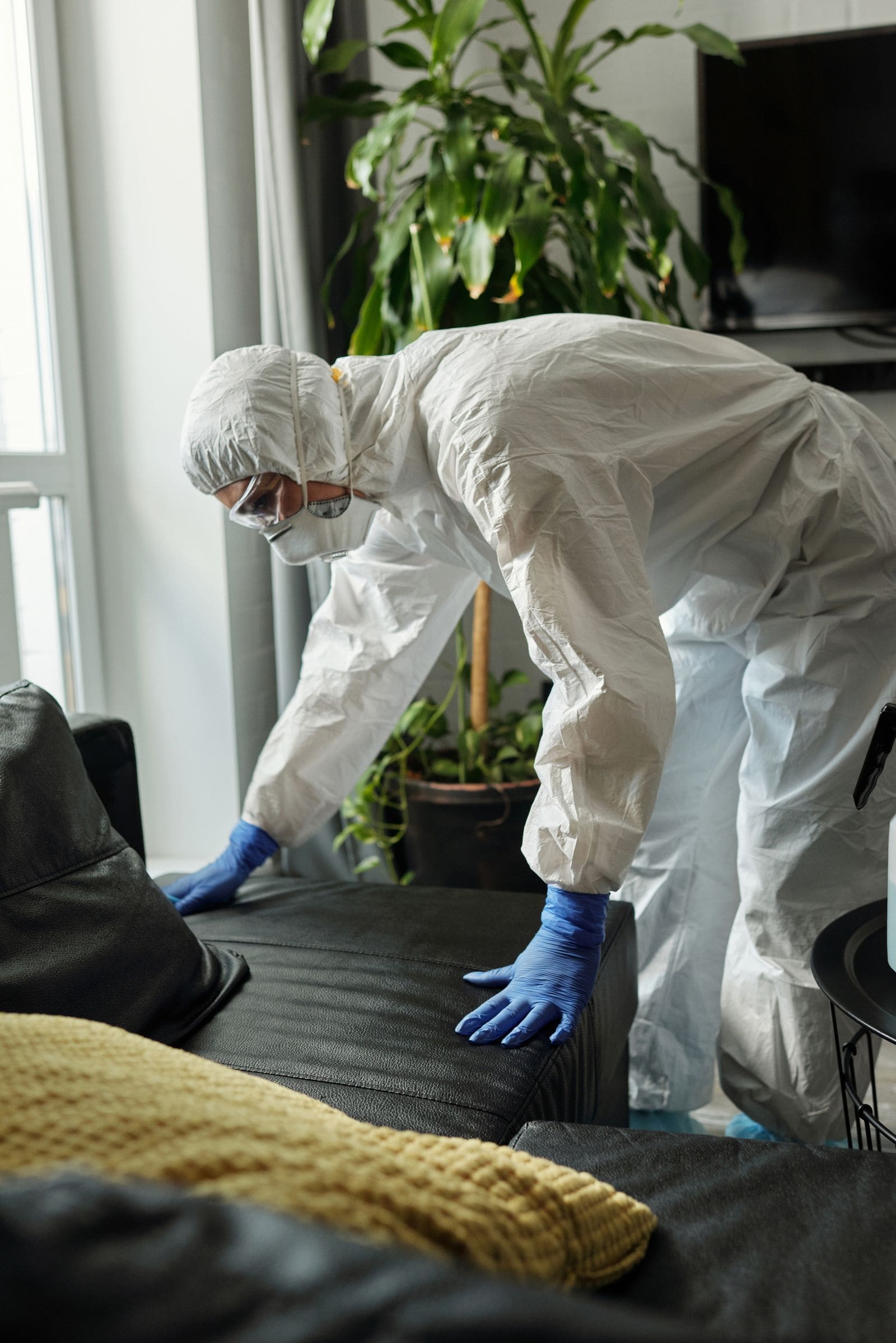
Sewage backup cleanup
Sewage cleanup treats the water as Category 3 (grossly contaminated): crews in protective gear remove it, discard porous materials it touched, clean and disinfect hard surfaces, and dry the structure.
Learn more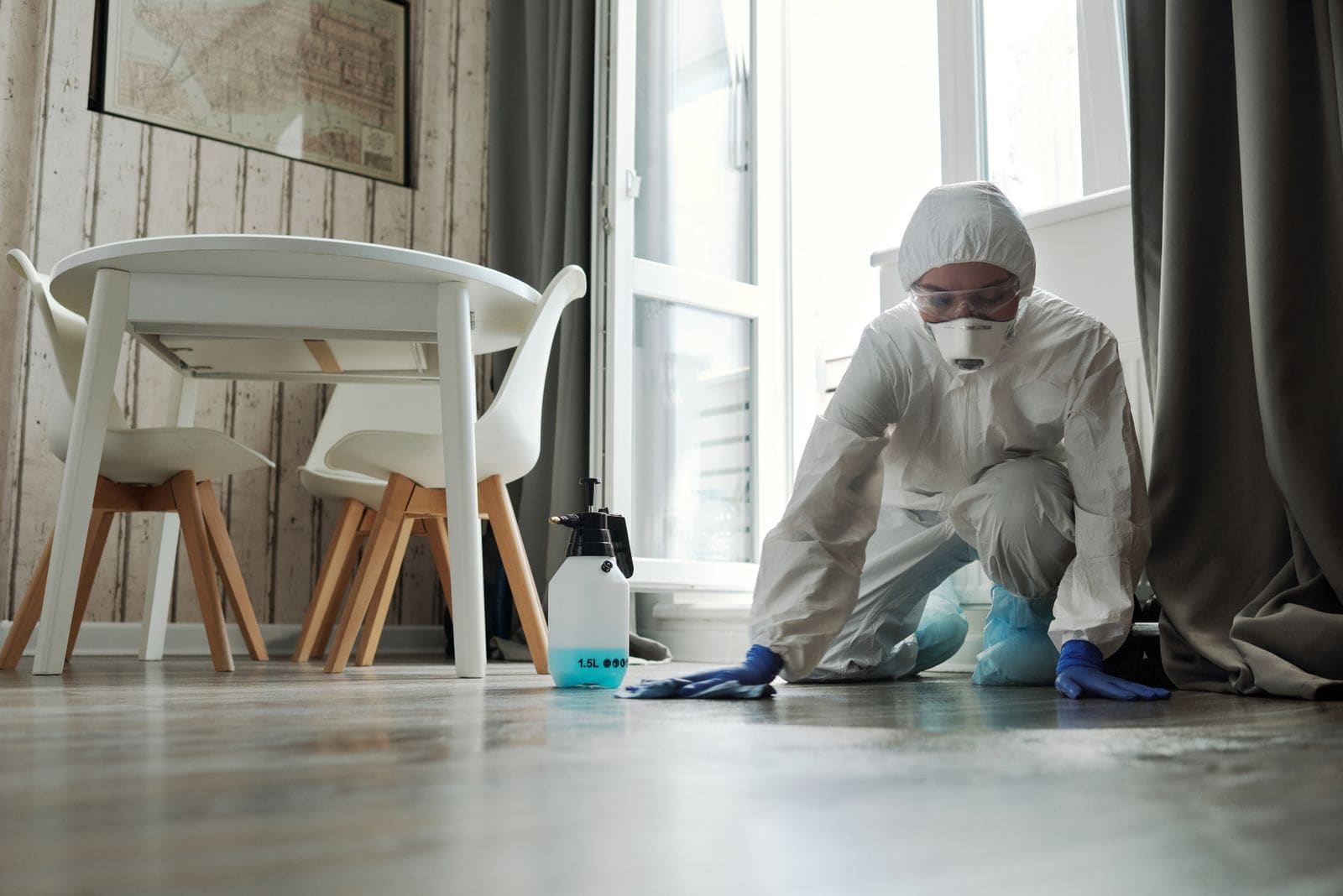
Biohazard cleanup
Biohazard cleanup removes and disposes of blood, bodily fluids and other potentially infectious material, then cleans and disinfects the area so it's safe to use.
Learn more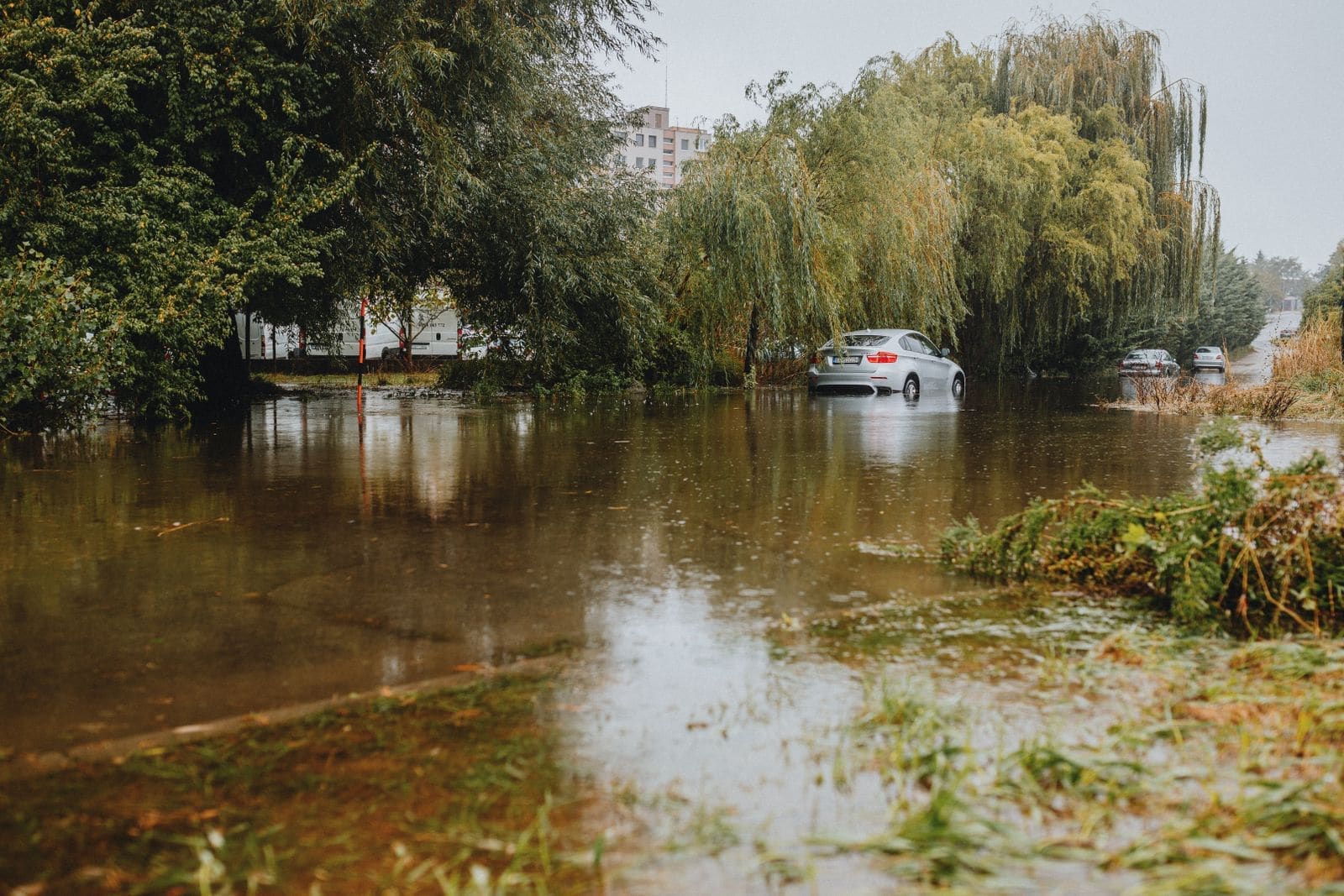
Flood damage cleanup
Flood cleanup treats outside floodwater as contaminated: it removes water and mud, cuts out wet drywall and insulation above the waterline, sanitizes, and dries the structure.
Learn moreWater, mold or fire damage? Get the right crew on it.
One call connects you with an independent restoration company that serves your ZIP code. Fast call-back during business hours.