
Sewage & biohazard · Emergency service
Sewage & Biohazard Cleanup in New York
Sewage backups, contaminated floodwater and other biohazards are Category 3 losses. They need protective equipment, removal of porous materials that were touched, cleaning and disinfection of everything else, and careful drying.
Sewage & Biohazard Cleanup in New York: local conditions
Partner coverage for sewage and biohazard cleanup in New York includes 395 ZIP codes. Call with your ZIP to confirm a company serves your address.
Hurricane Sandy in 2012 flooded coastal neighborhoods, and the remnants of Ida in 2021 caused deadly flash flooding in New York City basement apartments.
In New York City: Intense rain overwhelms the city's combined sewers and floods basement apartments, which is a safety hazard as well as property damage. In Rochester: High lake levels in 2017 and 2019 flooded and eroded homes along the shore, including the Charlotte area. In Yonkers: Heavy rain, like Ida's remnants in 2021, overwhelms drainage and floods basements and low streets. In Buffalo: Rapid thaws after big storms flood basements.
Brownstones, pre-war apartment buildings and old frame houses often have cast-iron stacks, plaster walls and steam heat, all of which affect how water damage is handled.
New York State licenses mold assessors and mold remediation contractors through the Department of Labor (Article 32 of the Labor Law) for jobs over 10 square feet. Home improvement contractors are licensed locally, for example by New York City's Department of Consumer and Worker Protection.
What you can expect
- One call connects you with an independent restoration company that serves your ZIP code.
- Fast call-back during business hours
- Serving New York
- Photo and moisture documentation for insurance
Sewage & Biohazard Cleanup at a glance
- Category
- Sewage & biohazard
- Emergency service
- Yes, call for fastest response
- Typical first step
- Protect people and contain the area
- Area
- New York
Other risks in New York
Lake-effect snow and ice dams
Buffalo and other areas downwind of the Great Lakes get extreme snowfall, which leads to ice dams, roof leaks and frozen pipes.
Multi-unit water losses
In apartment and co-op buildings, a single leak can damage several units, and responsibility is split among the building, the unit owner and insurers.
Signs you need sewage & biohazard cleanup
- Water or waste coming up through floor drains, toilets or tubs
- A strong sewage smell in a basement or bathroom
- Floodwater that entered the home from outside
How the work is done
Protect people and contain the area, then Remove contaminated water, then Remove porous materials, then Clean and disinfect, then Verify and rebuild. See the full sewage & biohazard cleanup process.
What affects the cost
Prices depend on the job, so restoration companies in New York quote after an assessment. The main drivers are how much area is affected, how long it stayed wet, and what has to be removed or rebuilt. See the full list of sewage & biohazard cleanup cost factors.
Sewage & Biohazard Cleanup questions
Do I need a licensed mold company in New York?
Yes, for most jobs. New York requires a licensed mold assessor and a separate licensed mold remediation contractor for projects larger than 10 square feet.
What should a New York City renter do after a leak from upstairs?
Report it in writing to the landlord or management, photograph the damage, and contact your renter's insurer for your belongings. Building repairs are the owner's responsibility.
Can I clean up a small sewage backup myself?
A small backup on a hard, non-porous floor sometimes can be with gloves, boots and disinfectant. Anything that reached carpet, drywall or other porous materials needs professional cleanup.
Does homeowners insurance cover sewage backups?
Usually only with a sewer or drain backup endorsement. Flooding from outside needs a flood policy.
Cities in New York
Other services in New York
Related pages
More about water and storm damage in New York, or see sewage & biohazard cleanup nationwide.
Related services
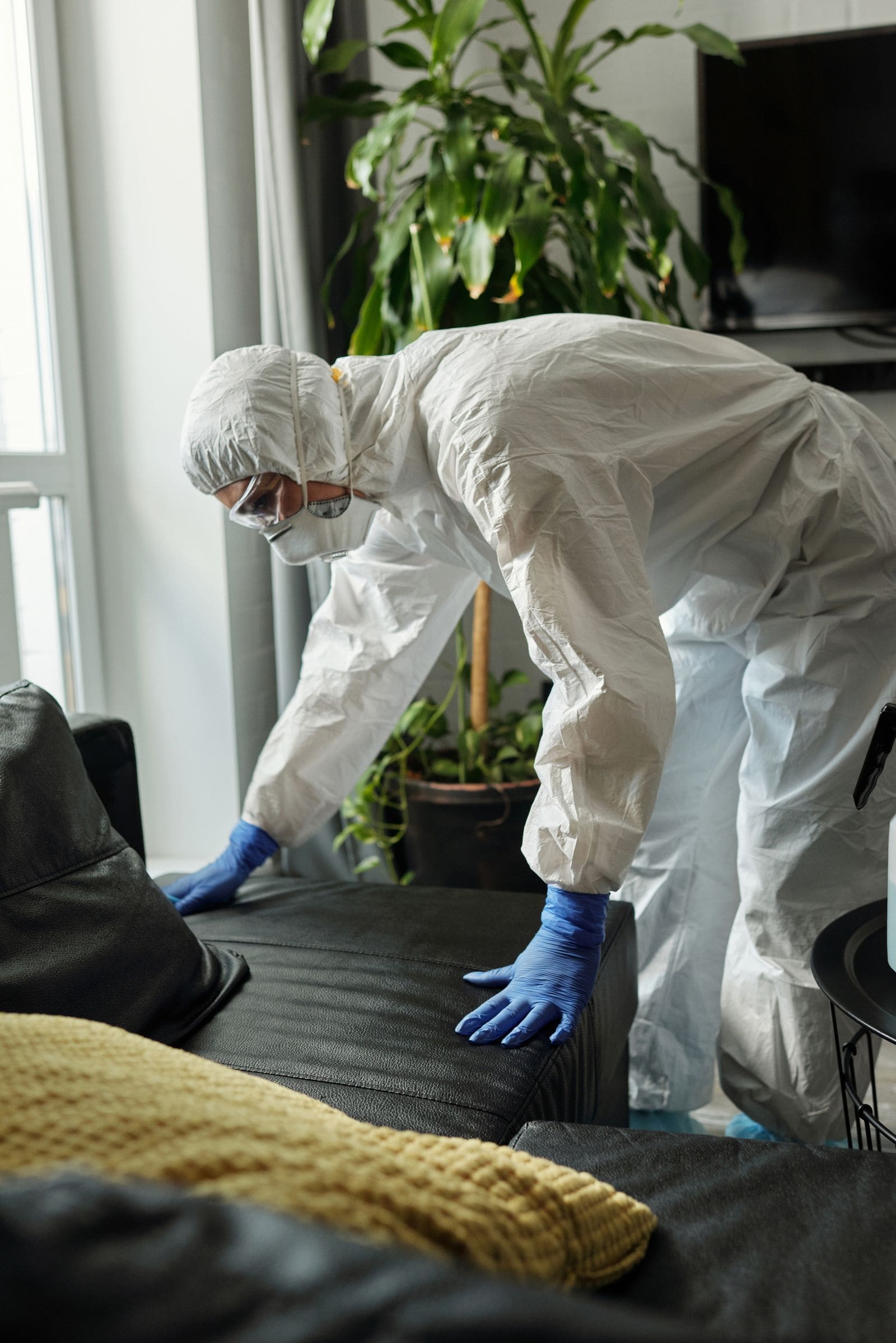
Sewage backup cleanup
Sewage cleanup treats the water as Category 3 (grossly contaminated): crews in protective gear remove it, discard porous materials it touched, clean and disinfect hard surfaces, and dry the structure.
Learn more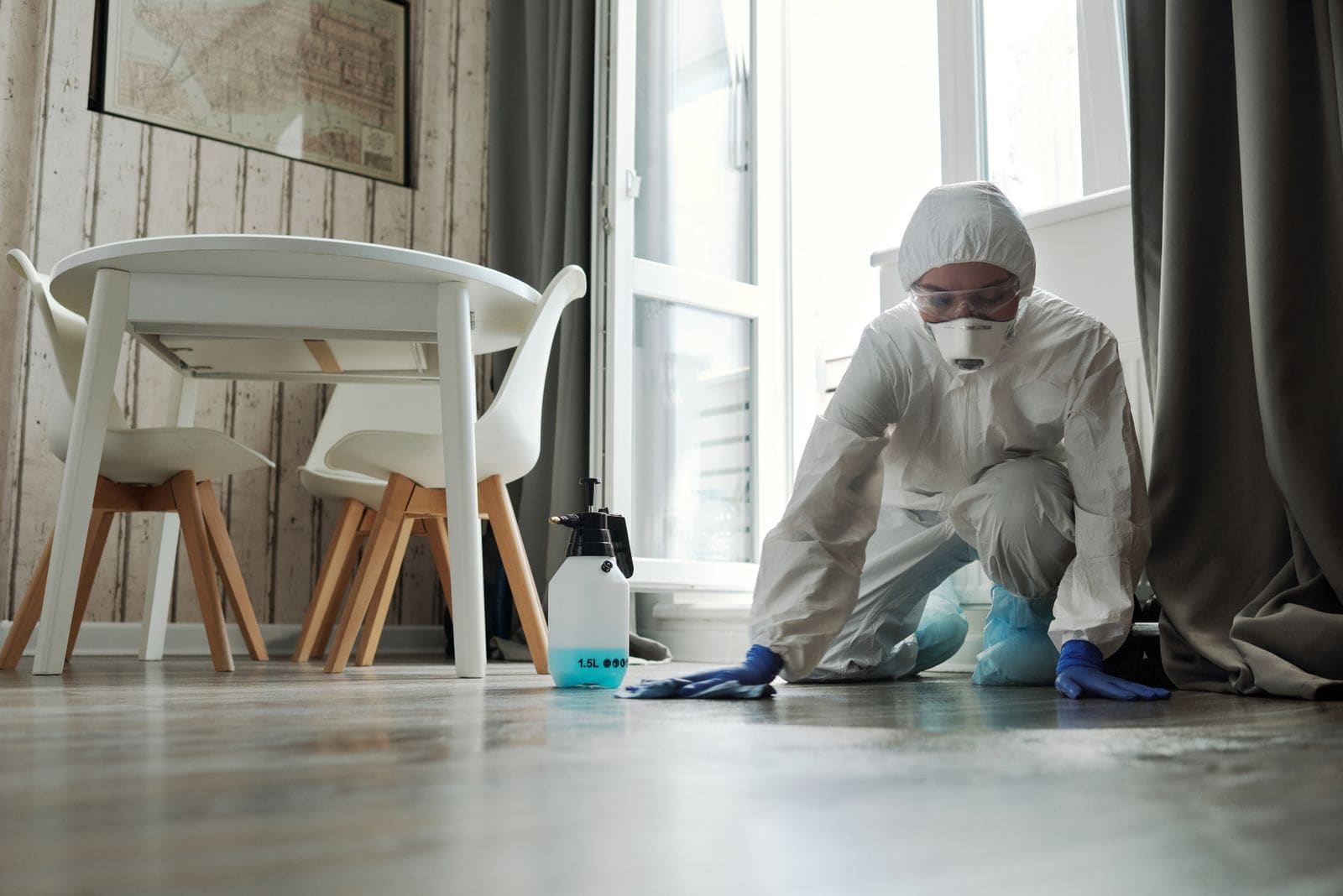
Biohazard cleanup
Biohazard cleanup removes and disposes of blood, bodily fluids and other potentially infectious material, then cleans and disinfects the area so it's safe to use.
Learn more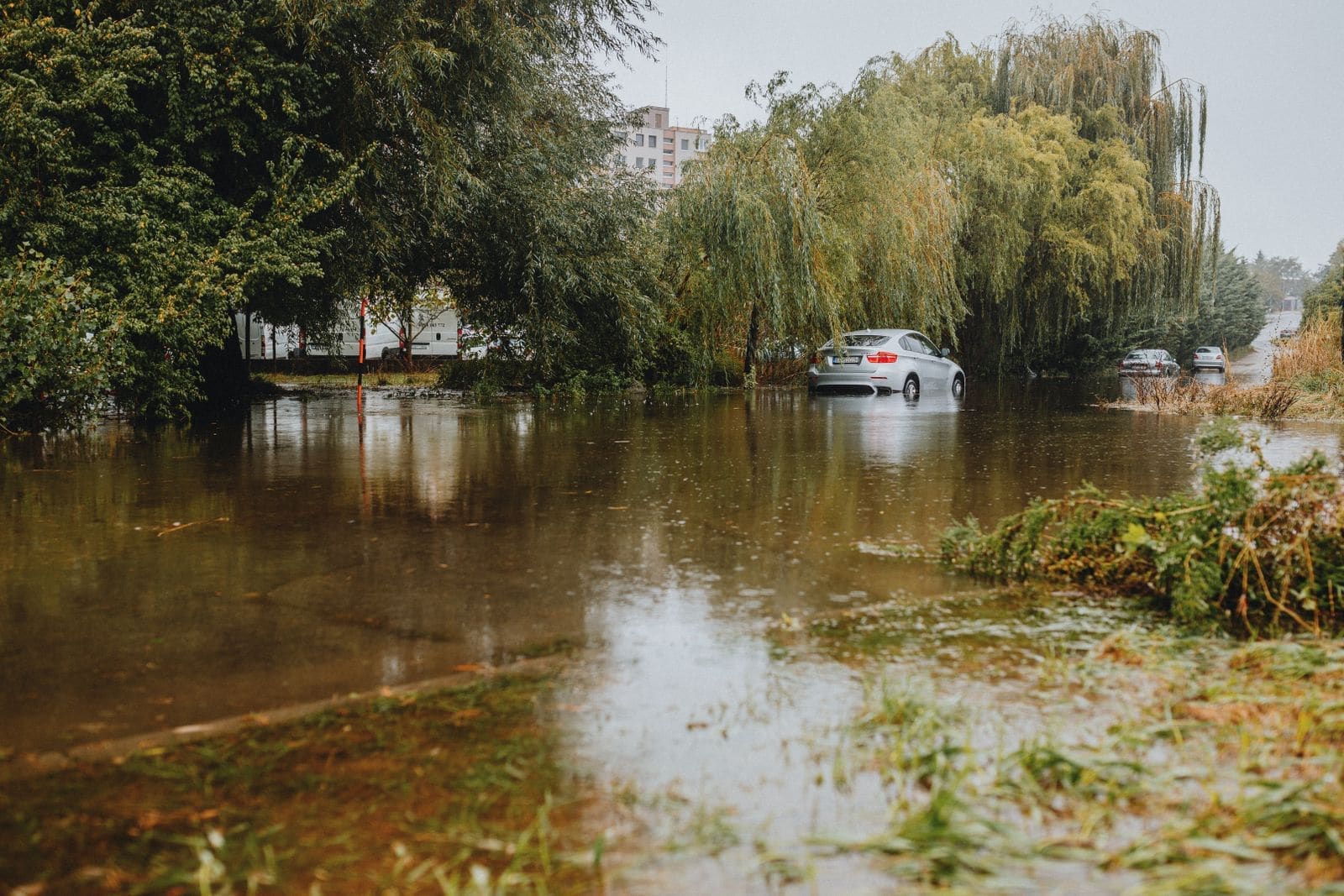
Flood damage cleanup
Flood cleanup treats outside floodwater as contaminated: it removes water and mud, cuts out wet drywall and insulation above the waterline, sanitizes, and dries the structure.
Learn moreWater, mold or fire damage? Get the right crew on it.
One call connects you with an independent restoration company that serves your ZIP code. Fast call-back during business hours.