
Sewage & biohazard · Emergency service
Sewage & Biohazard Cleanup in St. Paul, MN
Sewage backups, contaminated floodwater and other biohazards are Category 3 losses. They need protective equipment, removal of porous materials that were touched, cleaning and disinfection of everything else, and careful drying.
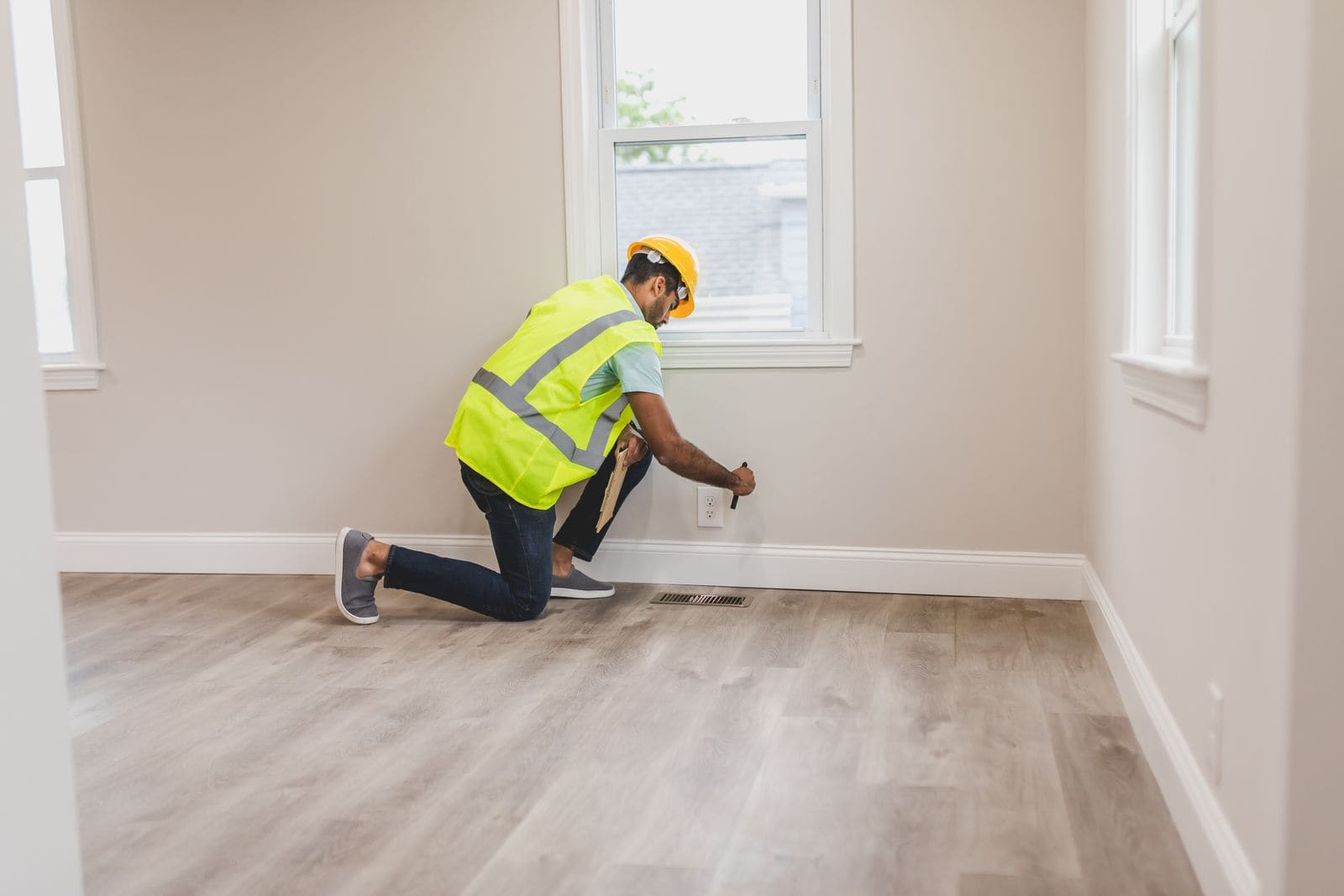
Sewage & Biohazard Cleanup in St. Paul: local conditions
Partner coverage for sewage and biohazard cleanup in St. Paul currently includes 25 ZIP codes: 55101, 55102, 55103, 55104, 55105, 55106, 55107, 55108, 55109, 55110, 55112, 55113, 55114, 55115, 55116, 55117, 55119, 55125, 55126, 55127, 55128, 55129, 55130, 55144, 55155. If your ZIP is on this list, a call connects you with a company that serves it.
Spring floods, like 2001 and 2019, cover low areas such as Harriet Island and parts of the West Side. Older homes have clay sewer laterals that crack and fill with roots, causing basement backups.
Summit Hill and Macalester-Groveland have Victorian and early-1900s homes with basements, plaster walls and limited insulation, which makes ice dams and frozen pipes common. Many homes on the West Side and near Como have been updated, but original plumbing is still common.
Licensing in Minnesota: Minnesota requires residential building contractors and remodelers to be licensed by the Department of Labor and Industry (DLI). Check the license on DLI's site.
What you can expect
- One call connects you with an independent restoration company that serves your ZIP code.
- Fast call-back during business hours
- Serving St. Paul, MN
- Photo and moisture documentation for insurance
Sewage & Biohazard Cleanup at a glance
- Category
- Sewage & biohazard
- Emergency service
- Yes, call for fastest response
- Typical first step
- Protect people and contain the area
- Area
- St. Paul, MN
Other risks in St. Paul
Ice dams
Heat loss through older roofs creates ice dams that leak into walls and ceilings.
Frozen pipes
Extended sub-zero cold freezes pipes in exterior walls.
Basement water
Snowmelt saturates soil and seeps into older foundations.
Older roofs
Many older homes have aging roofs that leak during freeze-thaw cycles in early spring.
Signs you need sewage & biohazard cleanup
- Water or waste coming up through floor drains, toilets or tubs
- A strong sewage smell in a basement or bathroom
- Floodwater that entered the home from outside
How the work is done
Protect people and contain the area, then Remove contaminated water, then Remove porous materials, then Clean and disinfect, then Verify and rebuild. See the full sewage & biohazard cleanup process.
What affects the cost
Prices depend on the job, so restoration companies in St. Paul quote after an assessment. The main drivers are how much area is affected, how long it stayed wet, and what has to be removed or rebuilt. See the full list of sewage & biohazard cleanup cost factors.
Sewage & Biohazard Cleanup questions
Do I need a permit for repairs in St. Paul?
Structural, plumbing and electrical repairs need permits from the City of St. Paul Department of Safety and Inspections.
How do I prevent ice dams in St. Paul?
Air-seal and insulate the attic, improve ventilation, and remove snow from the roof edge after big storms.
Can I clean up a small sewage backup myself?
A small backup on a hard, non-porous floor sometimes can be with gloves, boots and disinfectant. Anything that reached carpet, drywall or other porous materials needs professional cleanup.
Does homeowners insurance cover sewage backups?
Usually only with a sewer or drain backup endorsement. Flooding from outside needs a flood policy.
Related pages
Other services in St. Paul
Sewage & Biohazard Cleanup in nearby cities
More about water and storm damage in St. Paul, or see sewage & biohazard cleanup nationwide.
Related services
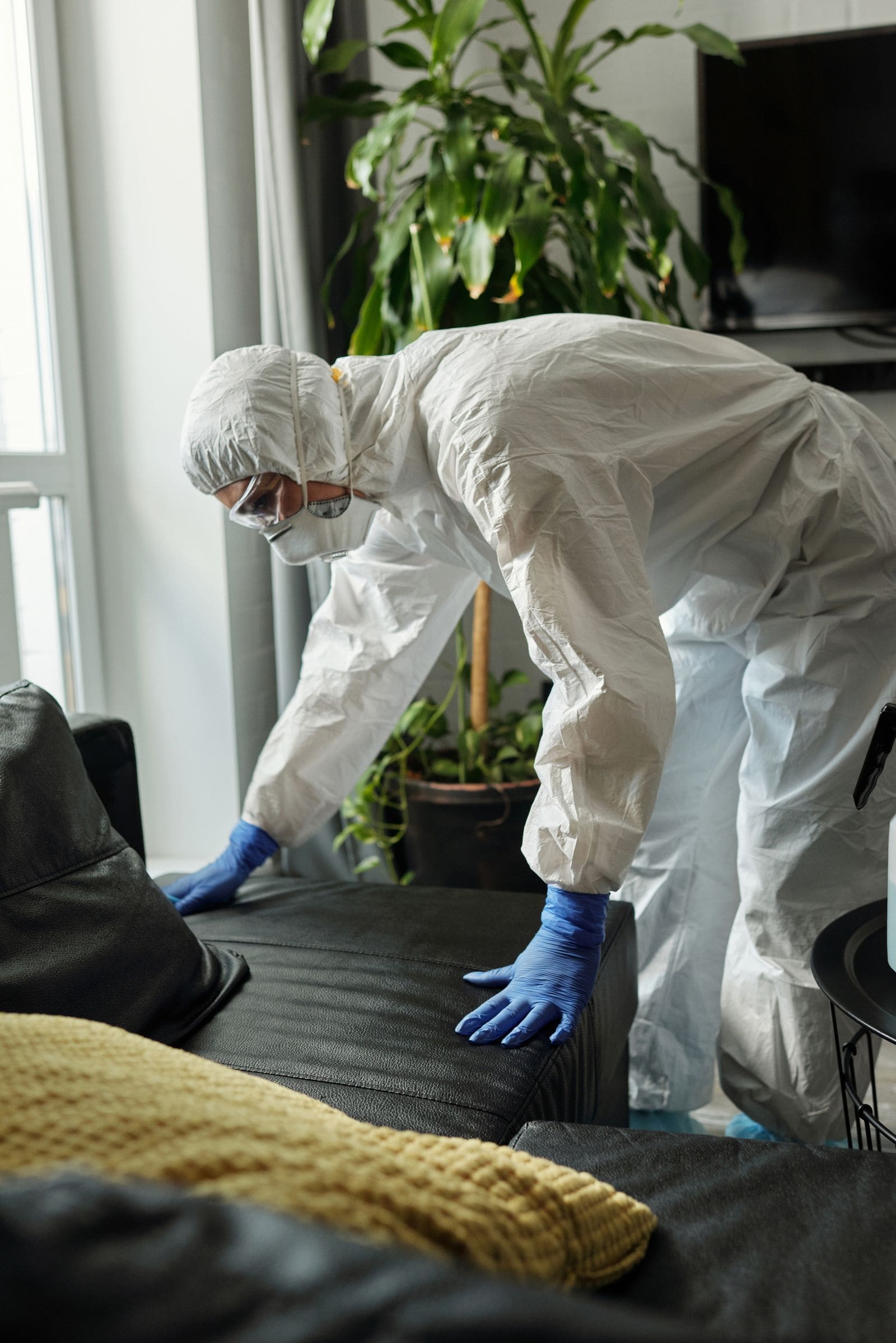
Sewage backup cleanup
Sewage cleanup treats the water as Category 3 (grossly contaminated): crews in protective gear remove it, discard porous materials it touched, clean and disinfect hard surfaces, and dry the structure.
Learn more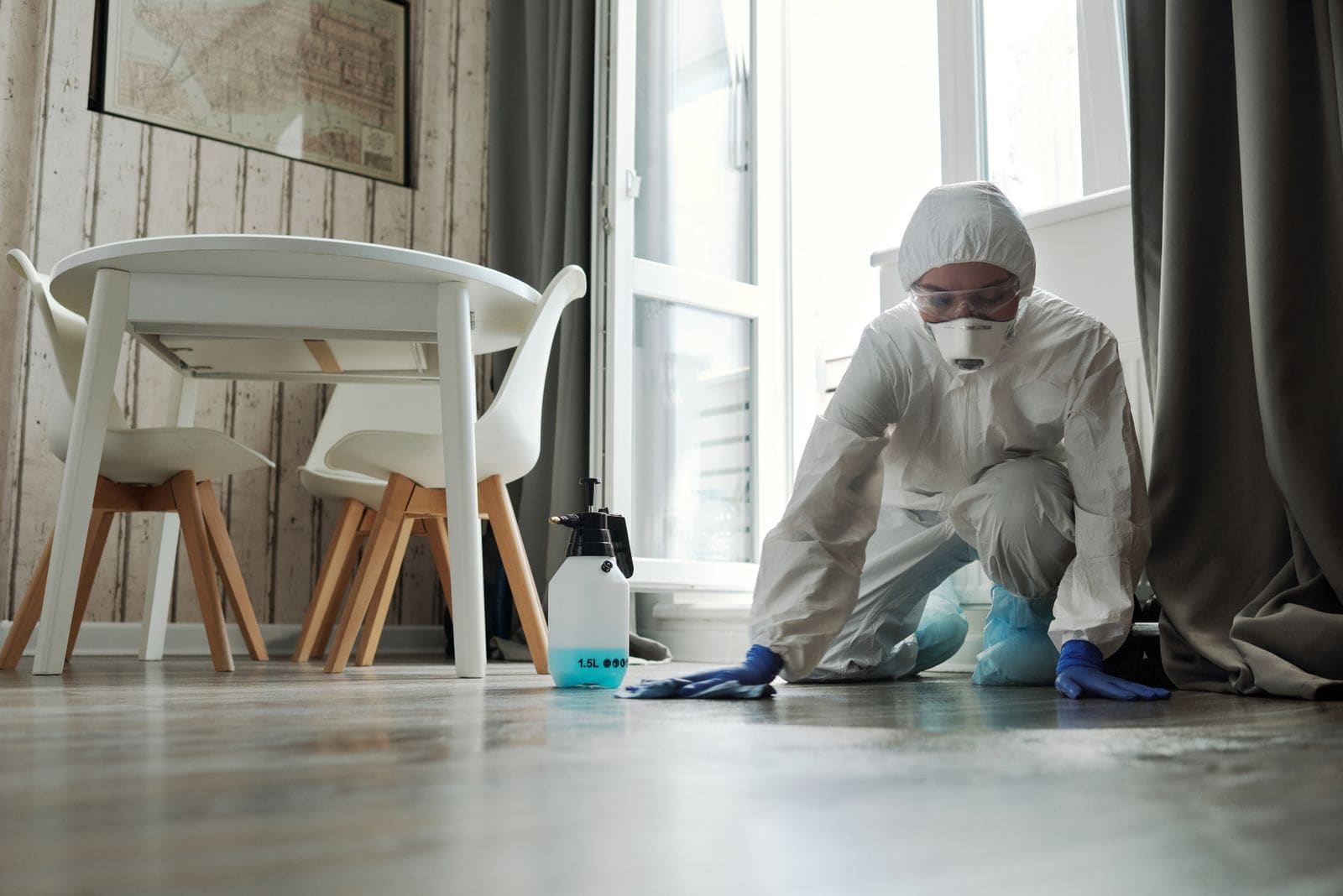
Biohazard cleanup
Biohazard cleanup removes and disposes of blood, bodily fluids and other potentially infectious material, then cleans and disinfects the area so it's safe to use.
Learn more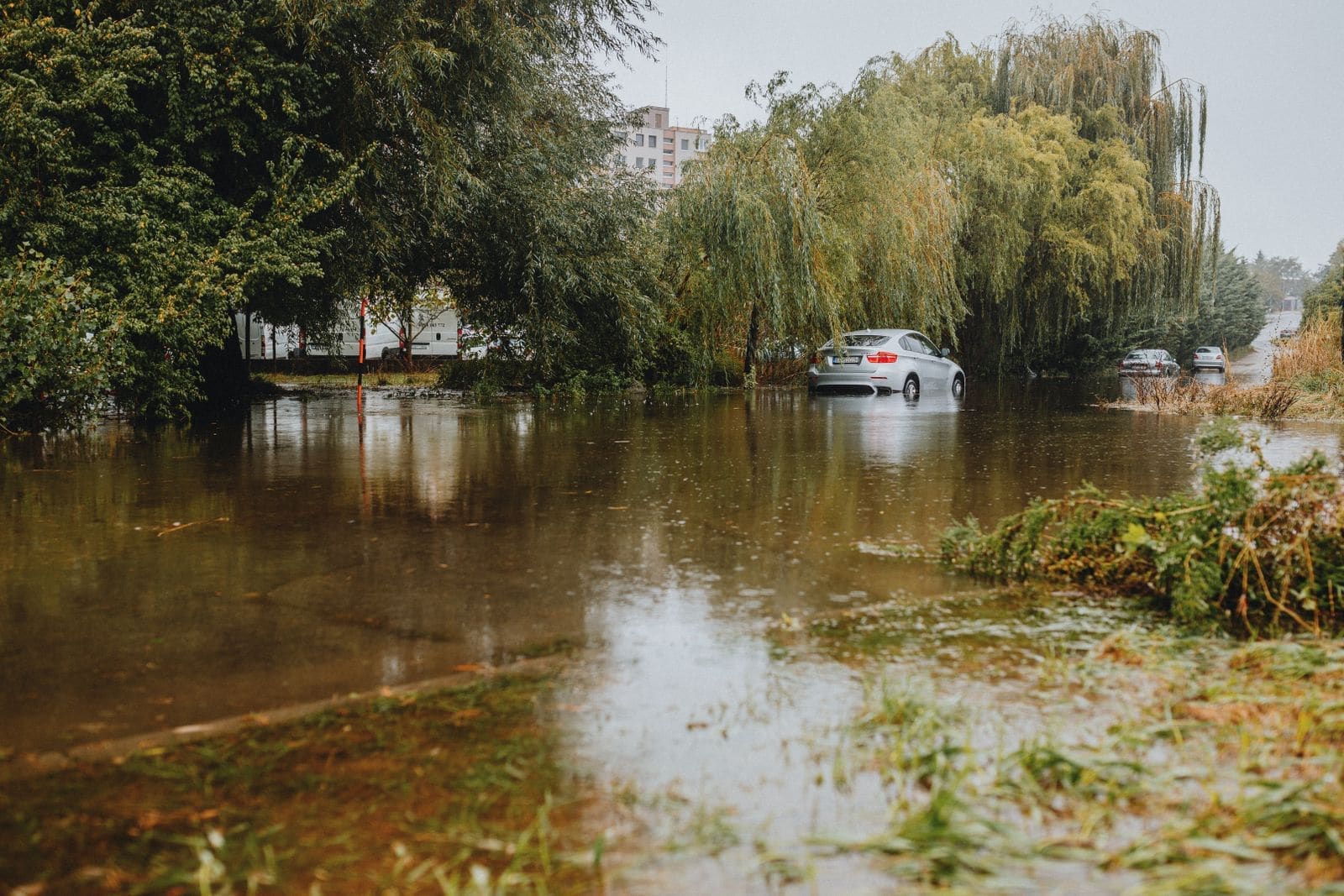
Flood damage cleanup
Flood cleanup treats outside floodwater as contaminated: it removes water and mud, cuts out wet drywall and insulation above the waterline, sanitizes, and dries the structure.
Learn moreWater, mold or fire damage? Get the right crew on it.
One call connects you with an independent restoration company that serves your ZIP code. Fast call-back during business hours.