Water damage · Emergency service
Water Damage in Grand Junction, CO
Water damage covers everything from a leaking supply line to a flooded basement. The job is the same at every size: stop the source, remove standing water, dry the structure to measured targets, then repair what can't be saved.
Water Damage in Grand Junction: local conditions
Partner coverage for water damage in Grand Junction currently includes 7 ZIP codes: 81501, 81502, 81503, 81504, 81505, 81506, 81507. If your ZIP is on this list, a call connects you with a company that serves it.
Summer thunderstorms flood washes and low streets quickly, sending water and mud toward homes. Spring snowmelt raises the Colorado and Gunnison rivers, flooding low areas nearby. Irrigation canals and ditches run through neighborhoods, and seepage can soak basements and crawlspaces. Cold winter nights freeze pipes in exterior walls and crawlspaces. Mineral-heavy water wears out water heaters, supply lines and fixtures.
Downtown and North Avenue have early- and mid-1900s homes with basements or crawlspaces and aging plumbing. The Redlands and Orchard Mesa have mostly 1970s–2000s homes, some on slopes with drainage challenges. Many older homes near downtown have unfinished basements or crawlspaces, while newer Redlands homes often have finished lower levels. The dry climate helps materials dry, but moisture trapped behind walls and under floors still needs to be measured and dried properly before mold sets in.
Licensing in Colorado: Colorado doesn't license general contractors statewide. Cities and counties, including Denver, license contractors locally, while plumbers and electricians are licensed by the state.
What you can expect
- One call connects you with an independent restoration company that serves your ZIP code.
- Fast call-back during business hours
- Serving Grand Junction, CO
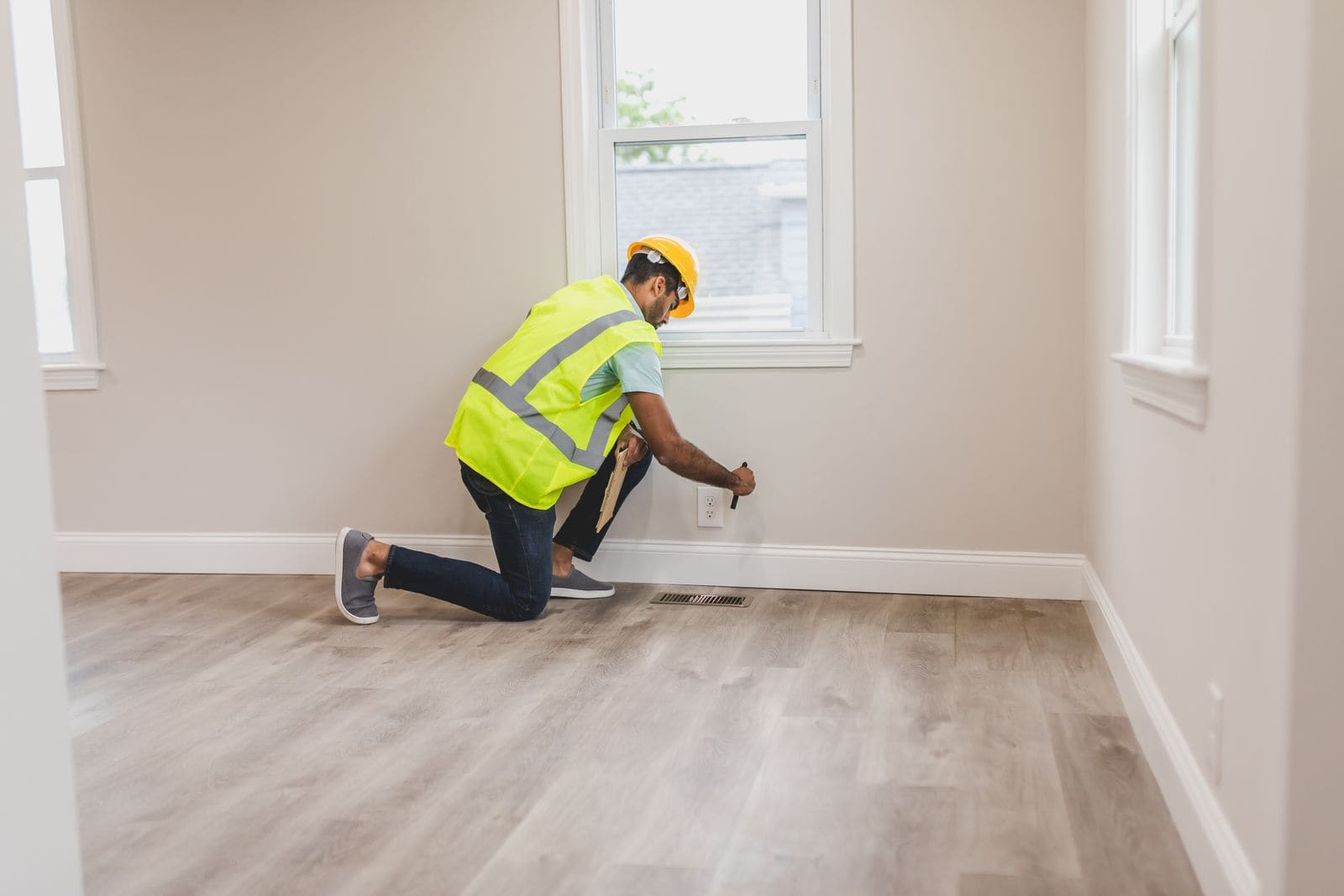
- Photo and moisture documentation for insurance
Water Damage at a glance
- Category
- Water damage
- Emergency service
- Yes, call for fastest response
- Typical first step
- Stop the source and make it safe
- Area
- Grand Junction, CO
Other risks in Grand Junction
Swamp cooler leaks
Many older Grand Junction homes use evaporative coolers, and leaking pans, float valves and water lines stain ceilings and soak attic insulation.
Signs you need water damage
- Standing water, wet carpet or soft, swollen flooring
- Stains or bubbling paint on ceilings and walls
- A musty smell that doesn't go away
How the work is done
Stop the source and make it safe, then Extract standing water, then Remove what can't be saved, then Dry to measured targets, then Document and repair. See the full water damage process.
What affects the cost
Prices depend on the job, so restoration companies in Grand Junction quote after an assessment. The main drivers are how much area is affected, how long it stayed wet, and what has to be removed or rebuilt. See the full list of water damage cost factors.
Water Damage questions
Do I need a permit for repairs in Grand Junction?
Cleanup and drying don't. Structural, plumbing and electrical repairs need permits from the City of Grand Junction or Mesa County Building Department.
How do I prevent frozen pipes in Grand Junction?
Insulate pipes in exterior walls and crawlspaces, keep the heat steady, and drip faucets during deep cold.
How fast does water damage need to be dried?
As soon as possible. Mold can start growing on wet drywall and wood in 24 to 48 hours, and materials keep absorbing water the longer it sits.
Does homeowners insurance cover water damage?
Usually for sudden, accidental water such as a burst pipe or appliance failure. Gradual leaks, flooding from outside and sewer backups often need separate coverage or endorsements.
Related pages
Other services in Grand Junction
Water Damage in nearby cities
More about water and storm damage in Grand Junction, or see water damage nationwide.
Related services
Water damage restoration
Water damage restoration removes standing water, dries the structure to a measured dry standard, and repairs or replaces what can't be saved.
Learn more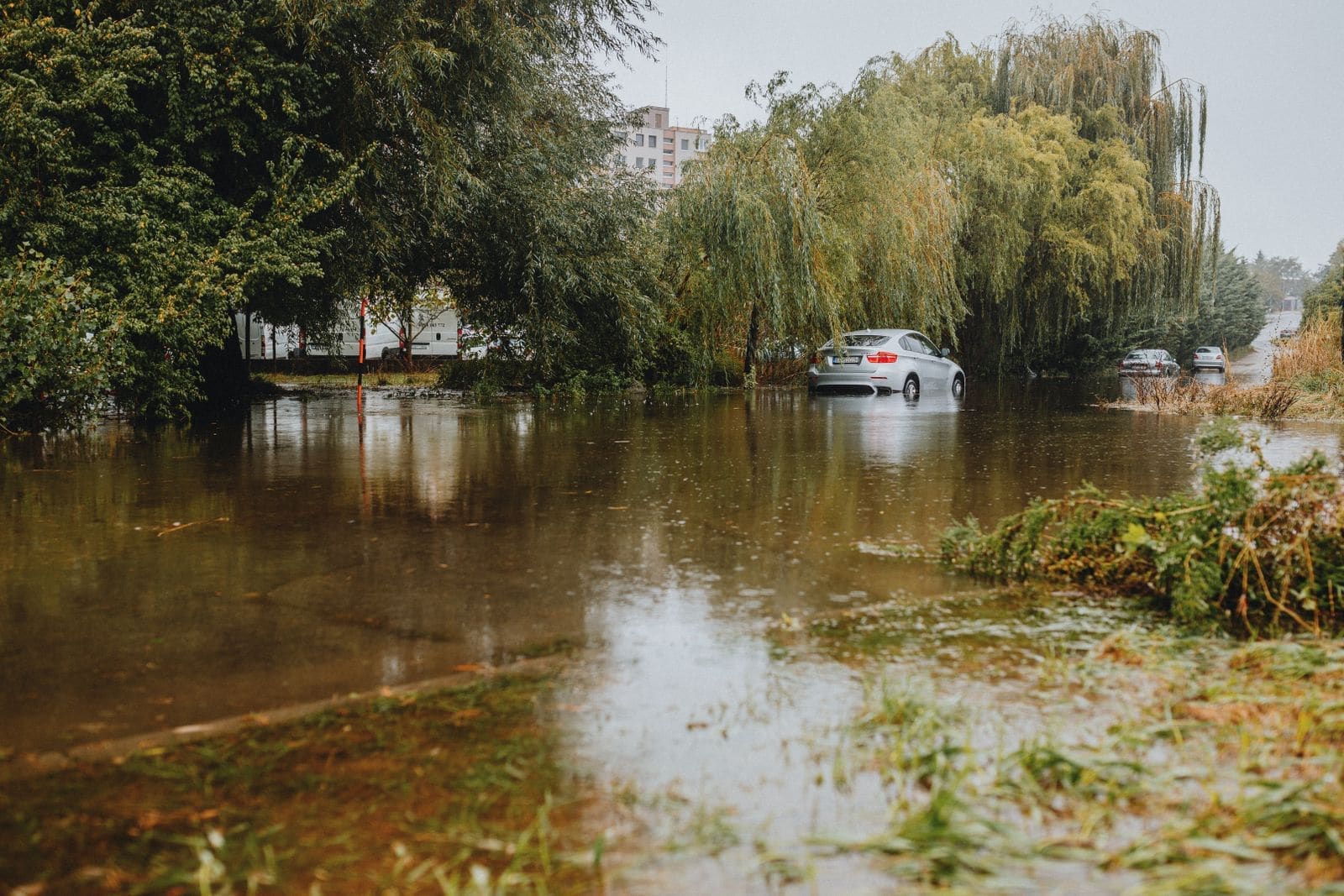
Emergency water extraction
Water extraction is the first step of any water loss: removing standing and absorbed water with powerful pumps and extractors before drying starts.
Learn more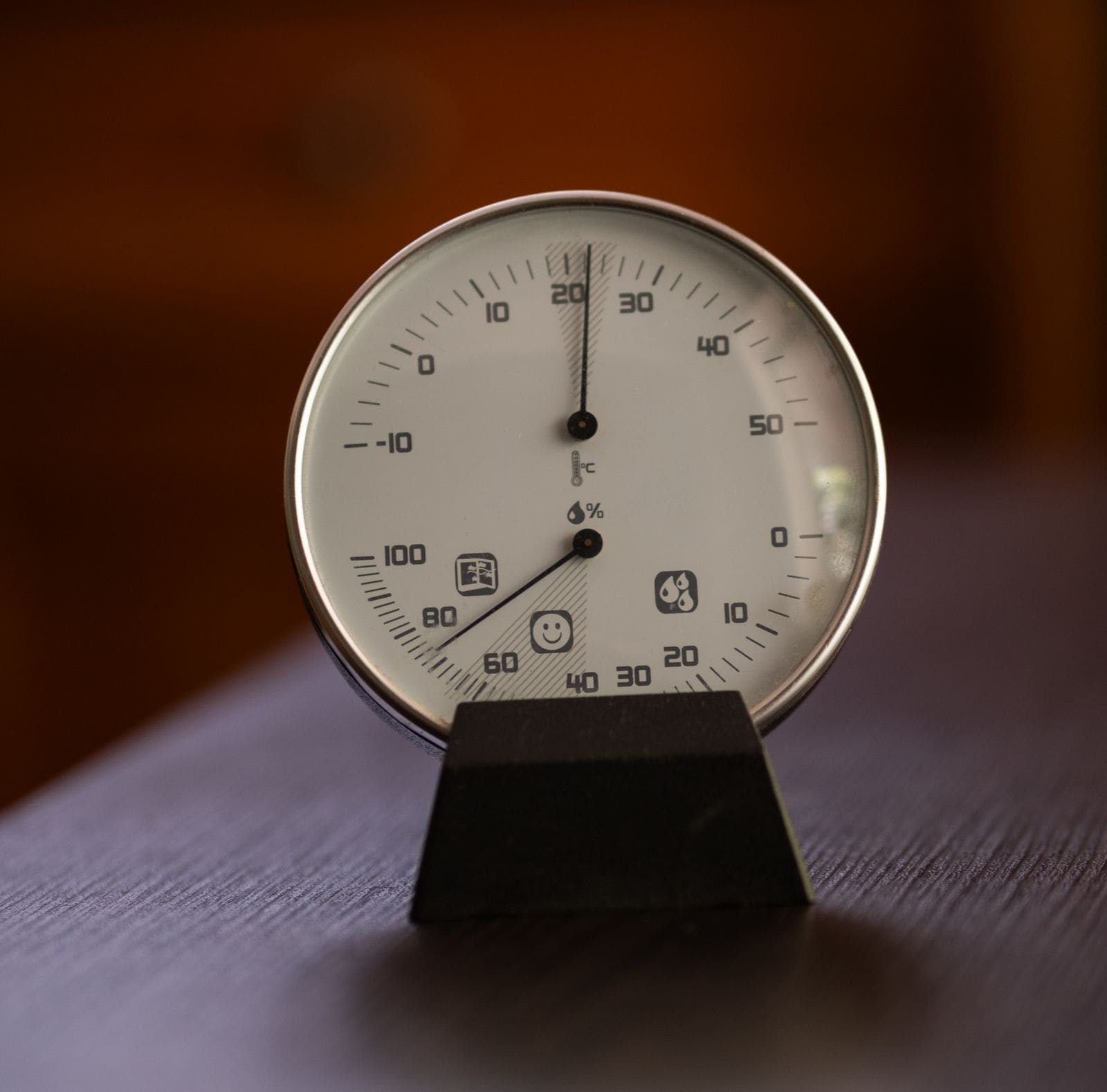
Structural drying
Structural drying removes moisture that has soaked into walls, framing, subfloors and cabinets after the visible water is gone.
Learn moreFlood damage cleanup
Flood cleanup treats outside floodwater as contaminated: it removes water and mud, cuts out wet drywall and insulation above the waterline, sanitizes, and dries the structure.
Learn more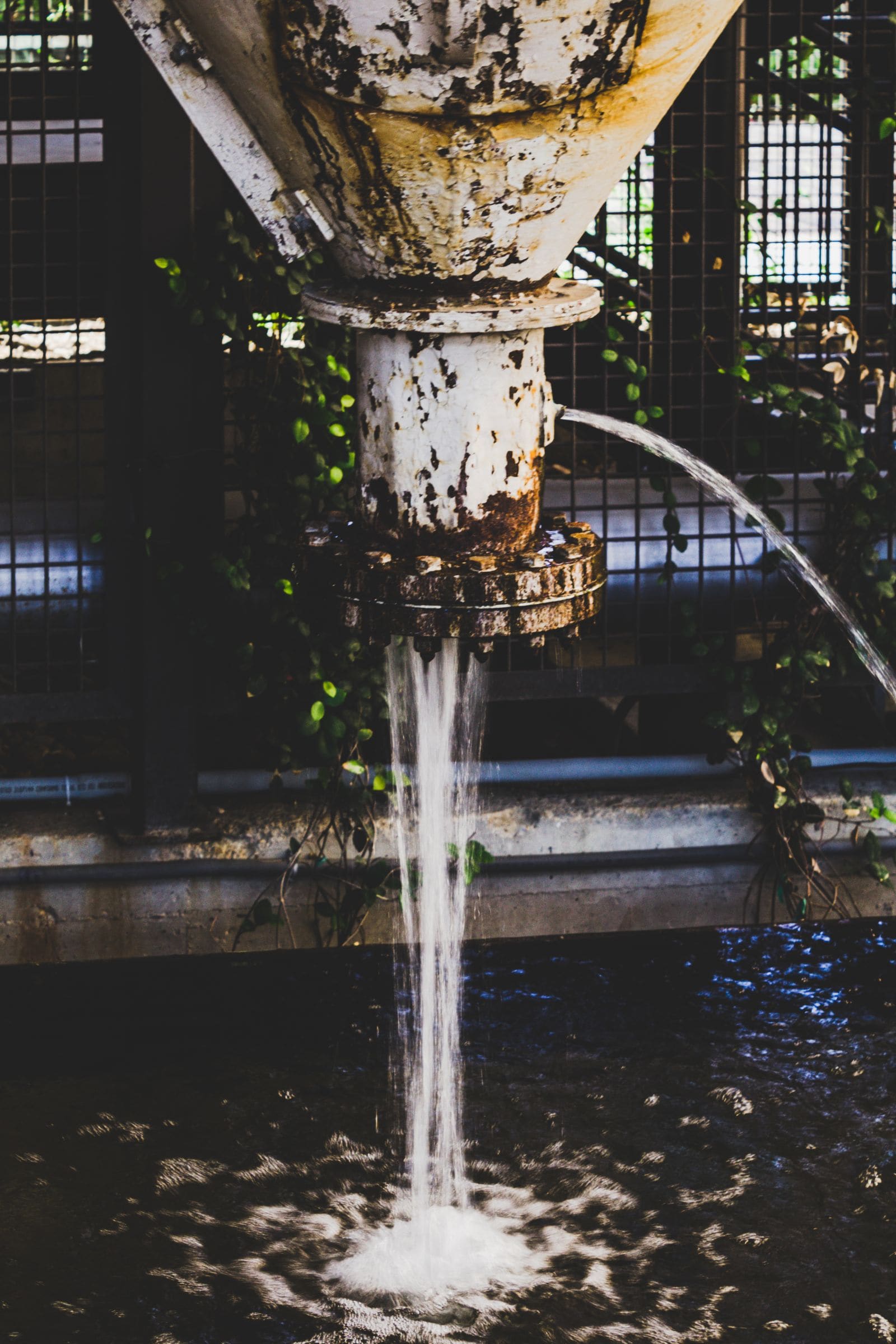
Burst pipe water damage
A burst pipe can release hundreds of gallons an hour, so shutting the main valve comes first, then extraction and drying.
Learn moreCeiling water damage repair
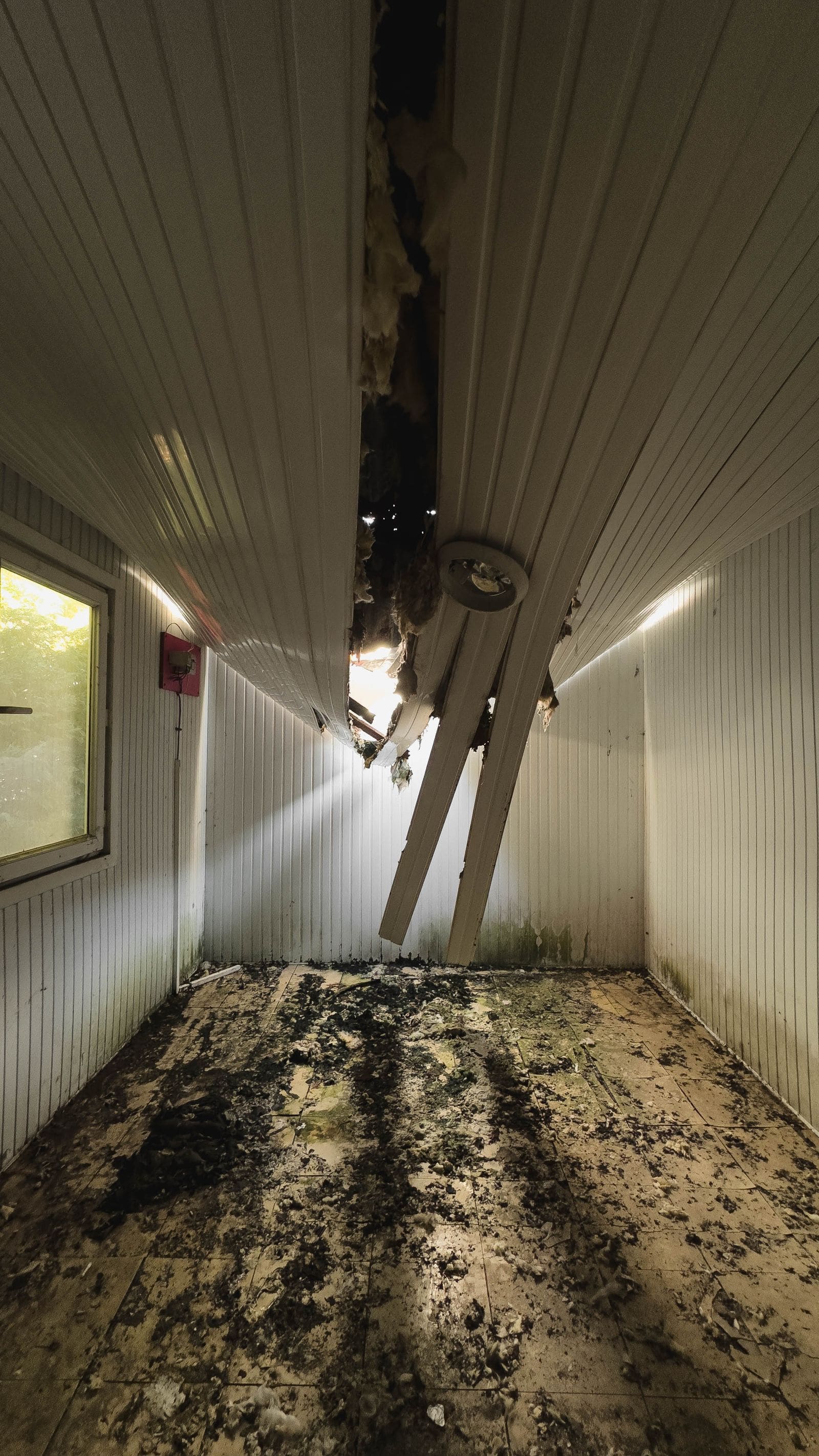
Ceiling water damage is usually caused by a roof leak, an attic AC drain overflowing, or a plumbing line above.
Learn moreWater, mold or fire damage? Get the right crew on it.
One call connects you with an independent restoration company that serves your ZIP code. Fast call-back during business hours.