
Water damage · Emergency service
Water damage help, start to finish
Water damage covers everything from a leaking supply line to a flooded basement. The job is the same at every size: stop the source, remove standing water, dry the structure to measured targets, then repair what can't be saved.
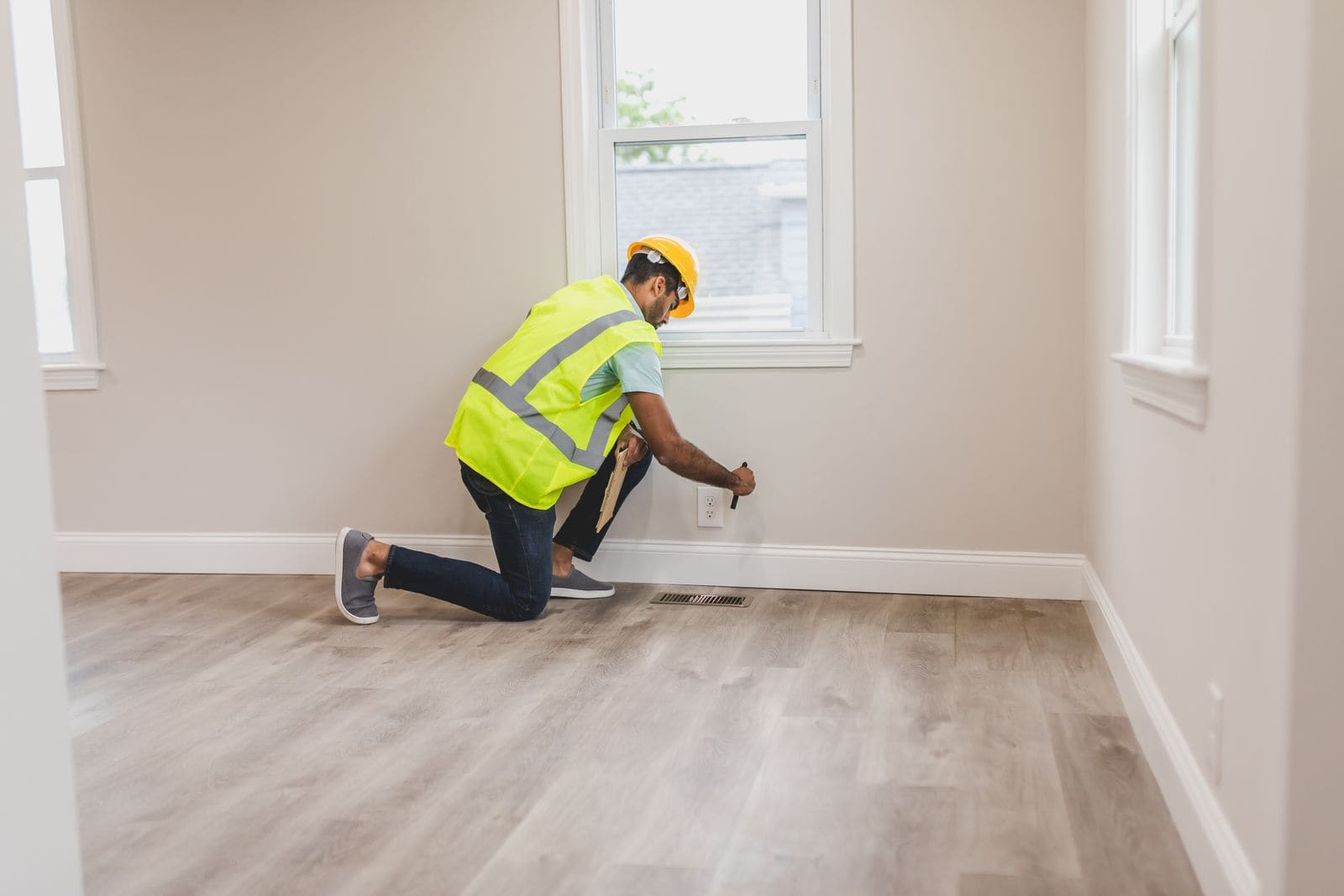
Most water damage starts small: a supply line under a sink, a water heater at the end of its life, an AC drain that clogs, or a roof that gives way in the first big storm. Other losses arrive all at once, from a burst pipe in a cold snap to floodwater from a river, a storm drain or a hurricane. Speed matters in every case, because drywall, insulation and wood keep absorbing water for hours, and mold can start in 24 to 48 hours.
Restoration crews classify the water first. Clean water from a supply line is treated differently from gray water from an appliance or Category 3 water from sewage or floodwater, which means porous materials usually have to come out. From there the work follows a standard path: extraction, removal of what can't be dried, structural drying with air movers and dehumidifiers, daily moisture readings, and repairs.
What you can expect
- One call connects you with an independent restoration company that serves your ZIP code.
- Fast call-back during business hours
- Serving All 50 states + D.C.
- Photo and moisture documentation for insurance
Water Damage at a glance
- Category
- Water damage
- Emergency service
- Yes, call for fastest response
- Typical first step
- Stop the source and make it safe
- Area
- All 50 states + D.C.
Signs you need water damage
- Standing water, wet carpet or soft, swollen flooring
- Stains or bubbling paint on ceilings and walls
- A musty smell that doesn't go away
- Water bills that jump without explanation
- Warped baseboards, cabinets or door frames
- Water coming through light fixtures or ceiling vents
How the work is done
- 1
Stop the source and make it safe
The water is shut off or the leak is stopped, power to wet areas is checked, and the water category is identified.
- 2
Extract standing water
Truck-mounted or portable extractors remove water from floors, carpet and pad, which shortens drying time more than anything else.
- 3
Remove what can't be saved
Wet pad, saturated drywall and insulation are cut out where needed, especially after Category 2 or 3 water.
- 4
Dry to measured targets
Air movers and dehumidifiers run while moisture meters track walls, floors and framing until they reach normal readings.
- 5
Document and repair
Photos, moisture logs and a scope of work support the insurance claim, followed by drywall, flooring and paint repairs.
What affects the cost
Prices depend on the job, so restoration companies quote after an assessment. These factors drive the number:
- Square footage and number of rooms affected
- Water category: clean, gray or sewage
- How long materials stayed wet before drying began
- Materials involved, such as hardwood, plaster or finished basements
- Whether mold has already started
- Repairs and rebuild after drying
What to do right now
Safe to do yourself
- Shut off the main water valve
- Turn off power to wet rooms at the breaker if it's safe to reach
- Move furniture and valuables to a dry area
- Take photos and video before cleanup for insurance
- Open windows if the air outside is dry
Call a professional if…
- Water is near outlets, panels or appliances
- The water came from a toilet, sewer or floodwater
- Ceilings are sagging
- More than one room is wet
- Materials stayed wet longer than 24 hours
Water Damage questions
How fast does water damage need to be dried?
As soon as possible. Mold can start growing on wet drywall and wood in 24 to 48 hours, and materials keep absorbing water the longer it sits.
Does homeowners insurance cover water damage?
Usually for sudden, accidental water such as a burst pipe or appliance failure. Gradual leaks, flooding from outside and sewer backups often need separate coverage or endorsements.
Can I dry water damage myself with fans?
Small, clean-water spills caught right away can be. Larger areas, water inside walls or under floors, and any gray or sewage water need professional extraction, drying equipment and moisture readings.
Where this service is available
Available in all 50 states and D.C. These cities have their own local pages:
Related services
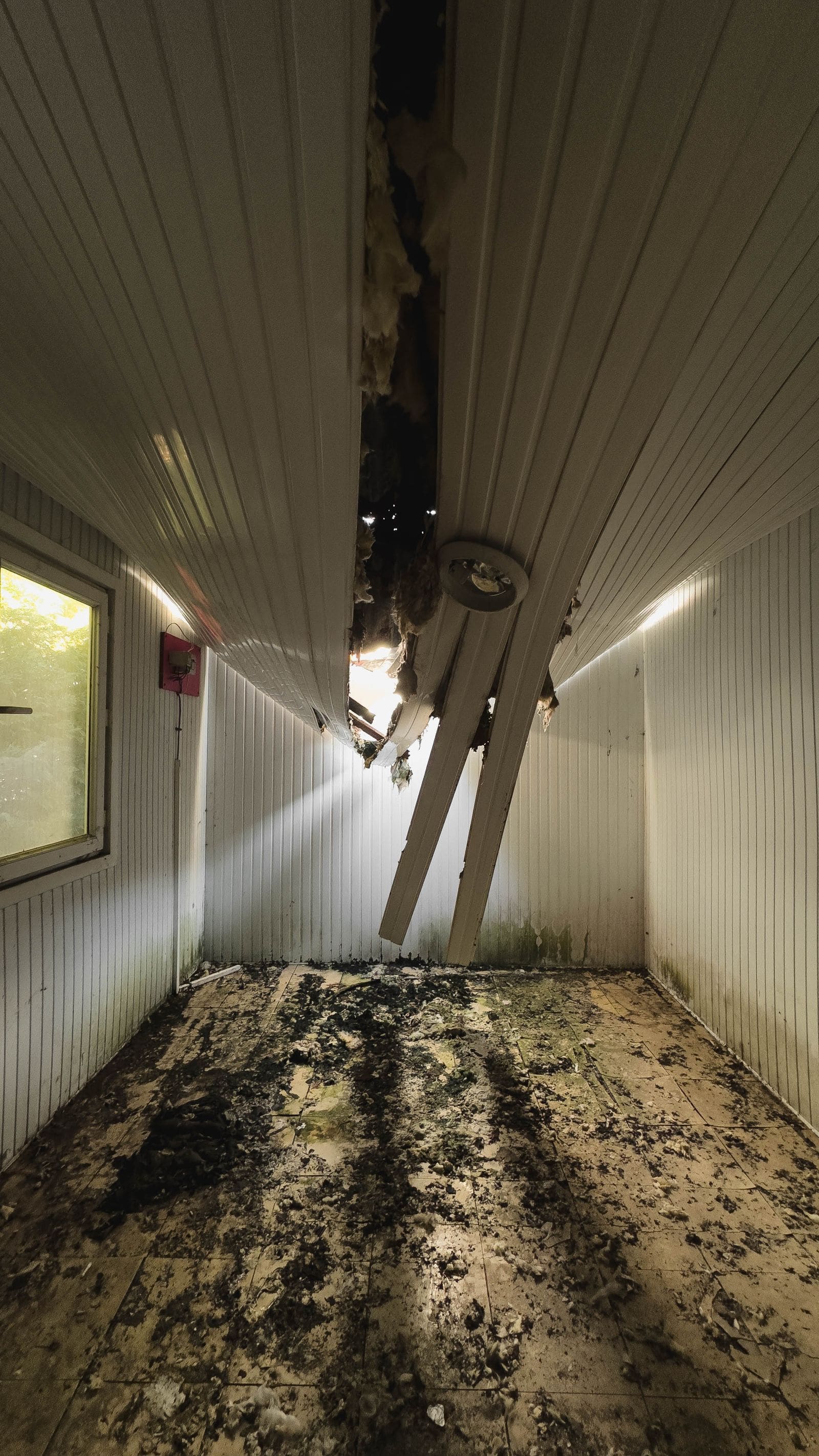
Water damage restoration
Water damage restoration removes standing water, dries the structure to a measured dry standard, and repairs or replaces what can't be saved.
Learn more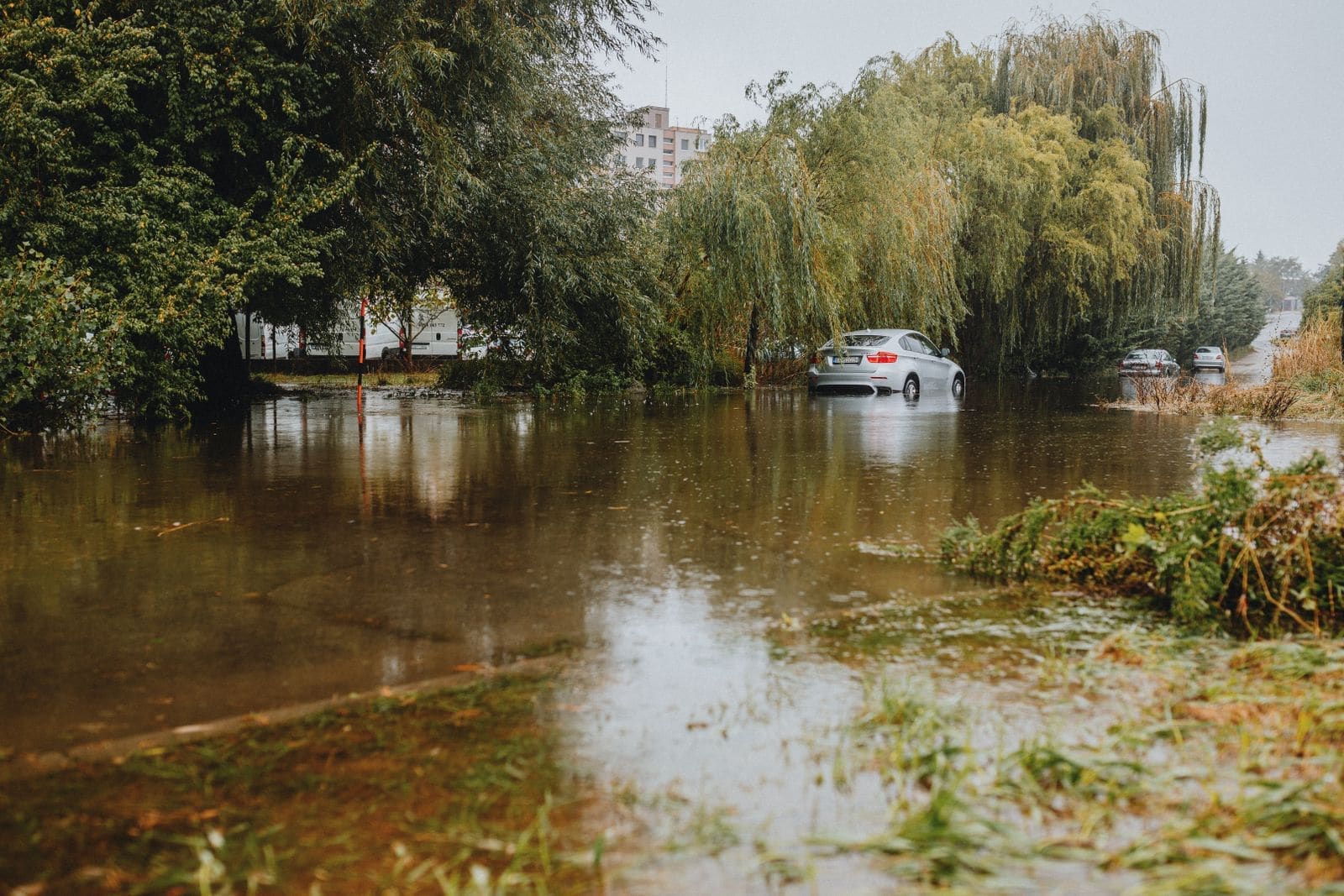
Emergency water extraction
Water extraction is the first step of any water loss: removing standing and absorbed water with powerful pumps and extractors before drying starts.
Learn more
Structural drying
Structural drying removes moisture that has soaked into walls, framing, subfloors and cabinets after the visible water is gone.
Learn moreFlood damage cleanup
Flood cleanup treats outside floodwater as contaminated: it removes water and mud, cuts out wet drywall and insulation above the waterline, sanitizes, and dries the structure.
Learn more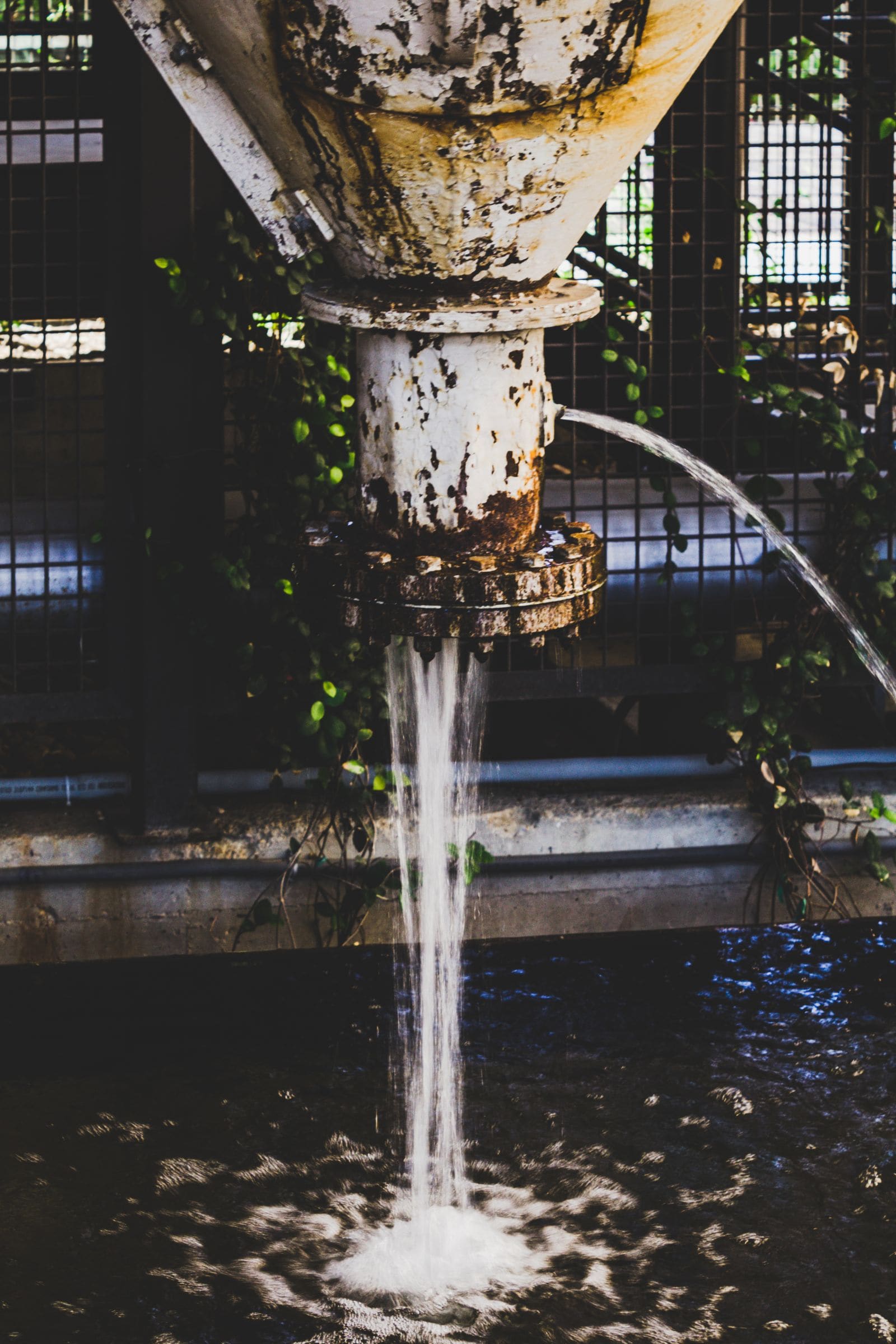
Burst pipe water damage
A burst pipe can release hundreds of gallons an hour, so shutting the main valve comes first, then extraction and drying.
Learn moreCeiling water damage repair
Ceiling water damage is usually caused by a roof leak, an attic AC drain overflowing, or a plumbing line above.
Learn moreWater, mold or fire damage? Get the right crew on it.
One call connects you with an independent restoration company that serves your ZIP code. Fast call-back during business hours.