
Sewage & biohazard · Emergency service
Sewage backup cleanup in Connecticut
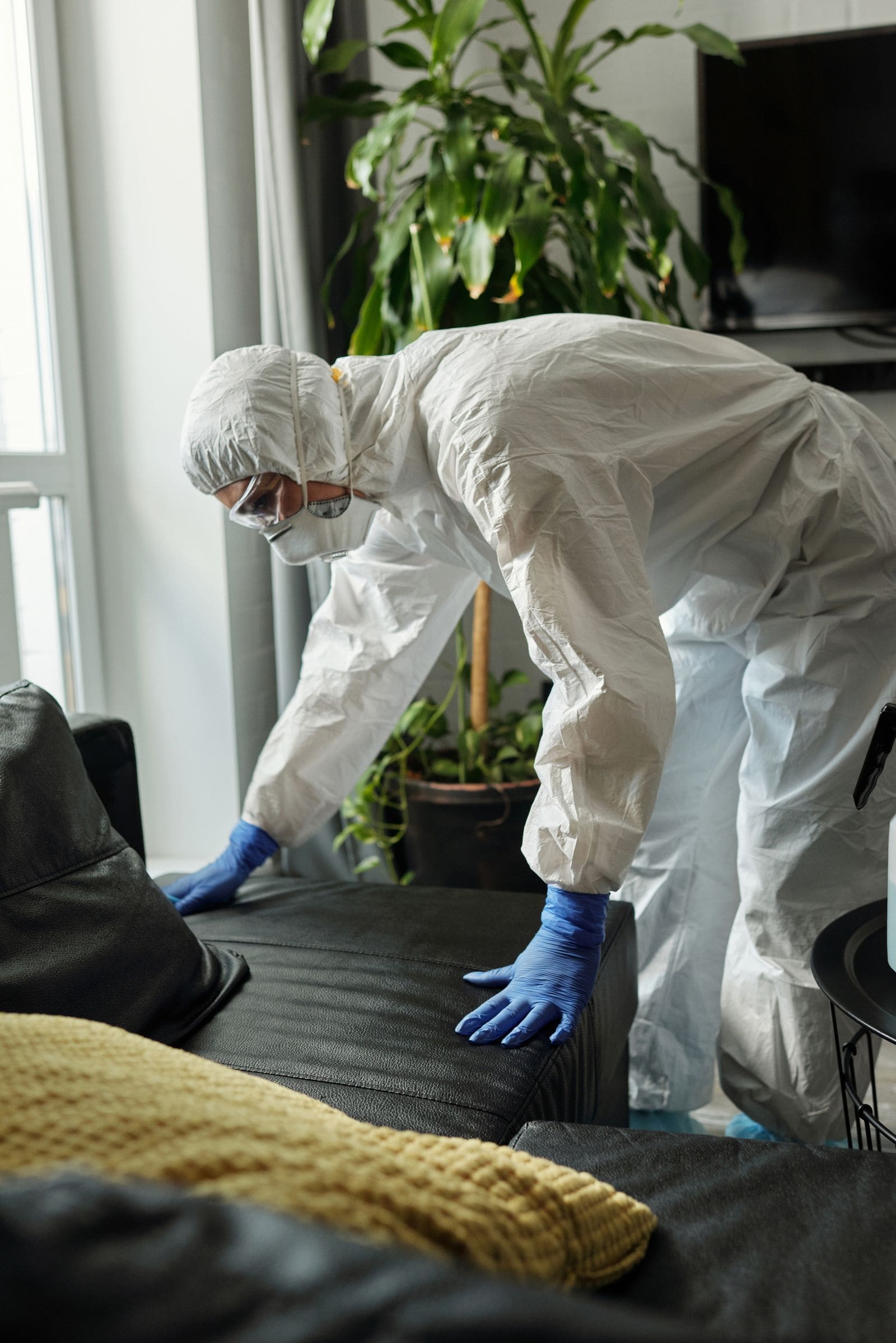
Sewage cleanup treats the water as Category 3 (grossly contaminated): crews in protective gear remove it, discard porous materials it touched, clean and disinfect hard surfaces, and dry the structure. Don't try to clean sewage with household products and a mop.
Sewage backup cleanup in Connecticut: local conditions
Partner coverage for sewage and biohazard cleanup in Connecticut includes 374 ZIP codes, with local pages for Hartford, New Haven, Waterbury, Stamford, Bridgeport, Norwalk. Call with your ZIP to confirm a company serves your address.
In Stamford: North Stamford homes rely on wells and septic systems, and failed pumps or tanks can flood basements.
Much of the state's housing predates modern insulation and plumbing codes. Galvanized supply lines, cast-iron drains and older oil-fired heating systems are still common, and each can fail in a way that leads to water or soot damage.
Connecticut requires home improvement contractors to register with the Department of Consumer Protection (DCP). Ask for the registration number before work starts.
What you can expect
- One call connects you with an independent restoration company that serves your ZIP code.
- Fast call-back during business hours
- Serving Connecticut
- Photo and moisture documentation for insurance
Sewage backup cleanup at a glance
- Category
- Sewage & biohazard
- Emergency service
- Yes, call for fastest response
- Typical first step
- Protect
- Area
- Connecticut
Other risks in Connecticut
Ice dams and roof leaks
Heat escaping into poorly insulated attics melts roof snow, which refreezes at the eaves and backs water under shingles. The leak often shows up as stained ceilings along exterior walls after a thaw.
Basement water
Heavy rain and spring snowmelt raise groundwater, and older foundations without interior drains or sump pumps take on water. Damp basements are also the most common place for mold.
Tropical storm remnants
Late-summer storms tracking up the coast bring heavy rain and wind. Shoreline towns can see surge, and inland river valleys can flood.
Signs you need sewage backup cleanup
- Water coming up from floor drains, tubs or toilets
- Gurgling drains
- Sewage odor in the house
How the work is done
Protect, then Remove, then Disinfect, then Dry. See the full sewage backup cleanup process.
What affects the cost
Prices depend on the job, so restoration companies in Connecticut quote after an assessment. The main drivers are how much area is affected, how long it stayed wet, and what has to be removed or rebuilt. See the full list of sewage backup cleanup cost factors.
Sewage backup cleanup questions
How do I stop ice dams in Connecticut?
Air-seal and insulate the attic so heat doesn't reach the roof deck, keep gutters clear, and rake snow off the lower roof edge after big storms. Ice and water shield under shingles at the eaves limits leaks.
How do I check a restoration contractor in Connecticut?
Look up their home improvement contractor registration with the Connecticut Department of Consumer Protection, and ask for proof of insurance and IICRC certification.
Does homeowners insurance cover sewage backup?
Often only with a water or sewer backup endorsement, which most insurers offer as an add-on. Check your declarations page.
Is sewage cleanup dangerous?
Yes. Sewage contains bacteria, viruses and parasites. Professional crews use protective equipment and disinfectants for this reason.
Cities in Connecticut
Other services in Connecticut
- Water Damage in Connecticut
- Mold Removal in Connecticut
- Fire & Smoke Damage in Connecticut
- Sewage & Biohazard Cleanup in Connecticut
- Emergency water extraction in Connecticut
- Structural drying in Connecticut
- Flood damage cleanup in Connecticut
- Burst pipe water damage in Connecticut
- Ceiling water damage repair in Connecticut
- Mold remediation in Connecticut
- Attic mold removal in Connecticut
- Smoke odor removal in Connecticut
- Soot cleanup in Connecticut
Related pages
More about water and storm damage in Connecticut, or see sewage backup cleanup nationwide.
Related services

Biohazard cleanup
Biohazard cleanup removes and disposes of blood, bodily fluids and other potentially infectious material, then cleans and disinfects the area so it's safe to use.
Learn more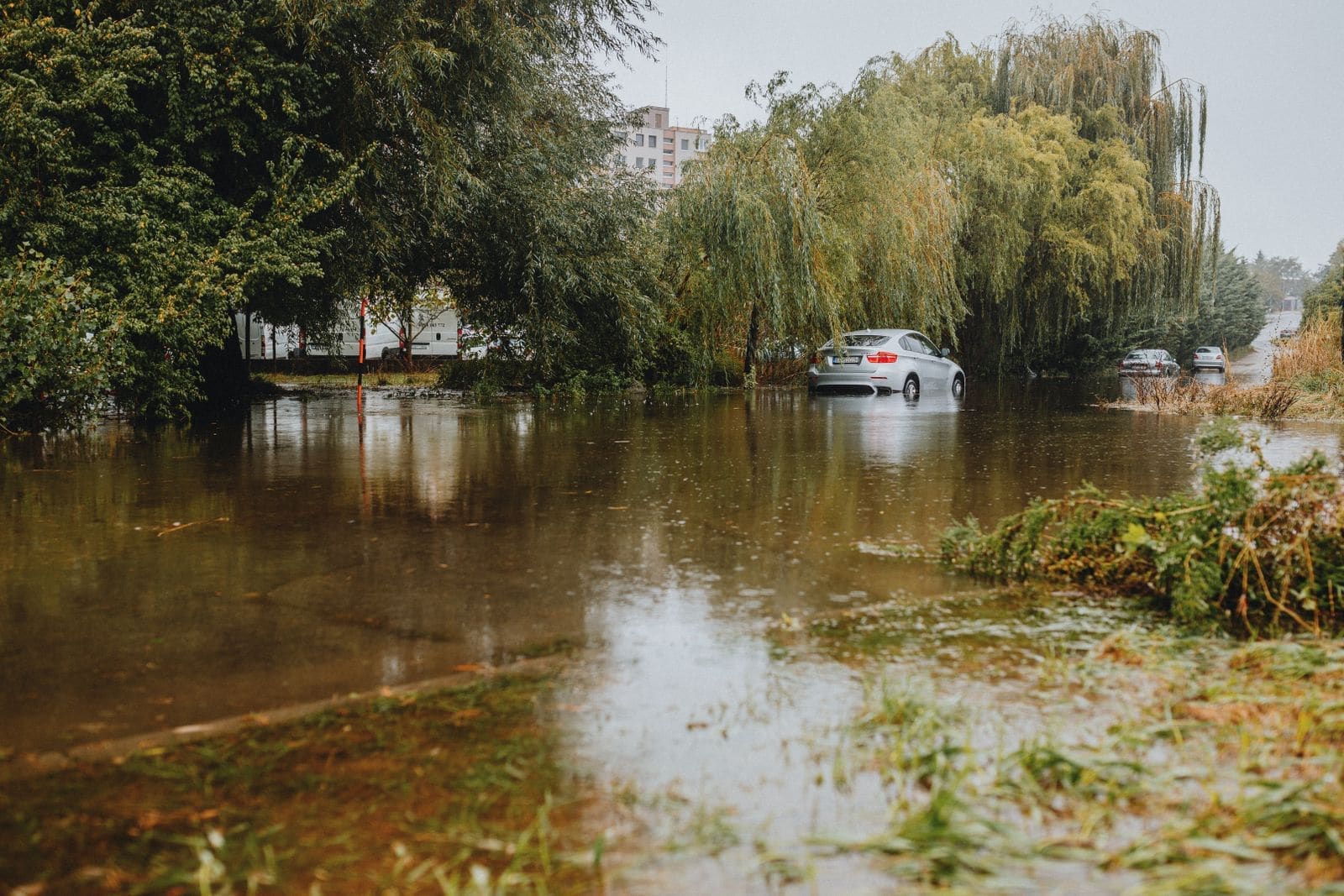
Flood damage cleanup
Flood cleanup treats outside floodwater as contaminated: it removes water and mud, cuts out wet drywall and insulation above the waterline, sanitizes, and dries the structure.
Learn moreEmergency water extraction
Water extraction is the first step of any water loss: removing standing and absorbed water with powerful pumps and extractors before drying starts.
Learn moreWater, mold or fire damage? Get the right crew on it.
One call connects you with an independent restoration company that serves your ZIP code. Fast call-back during business hours.