Water damage · Emergency service
Flood damage cleanup in Pittsburgh, PA
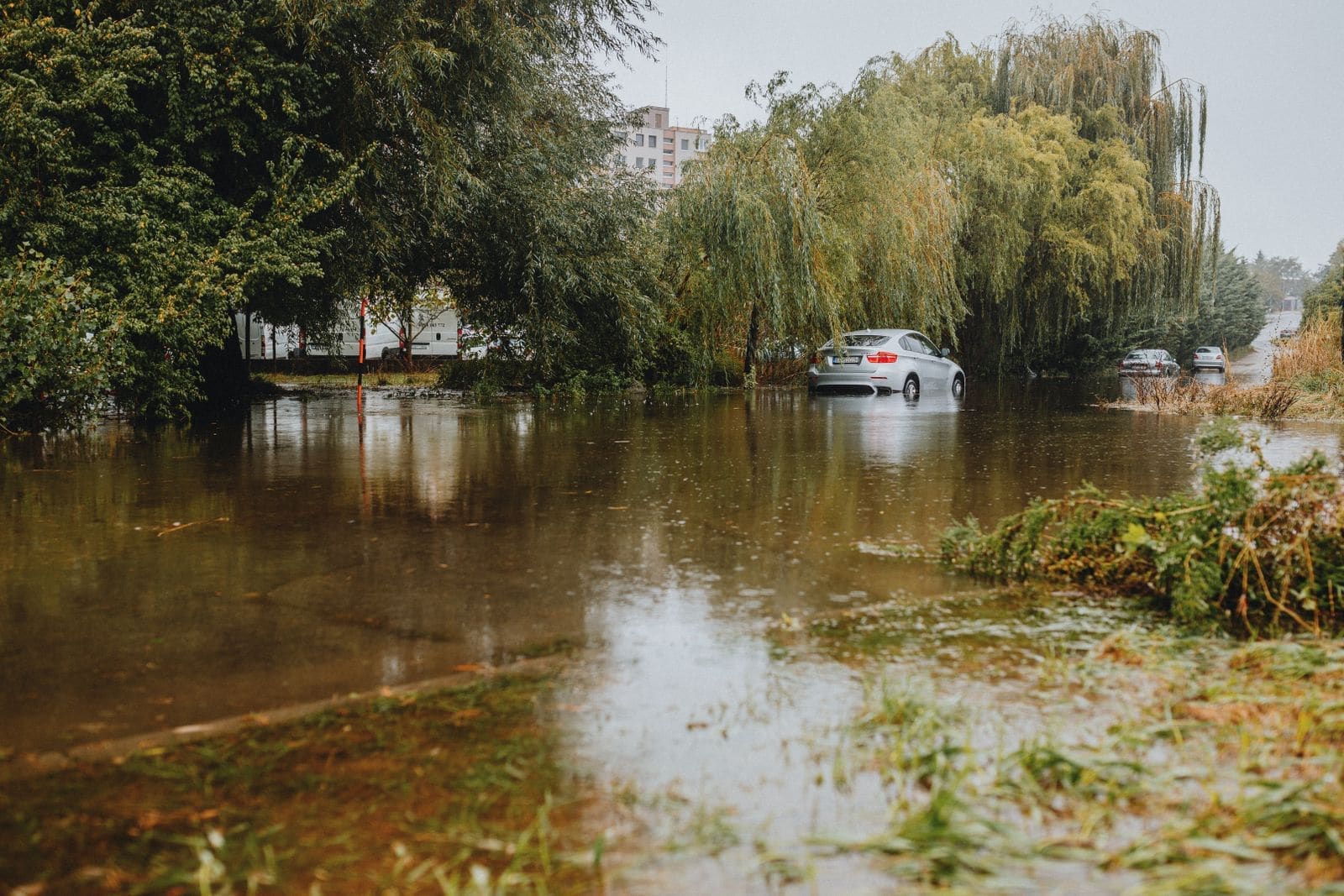
Flood cleanup treats outside floodwater as contaminated: it removes water and mud, cuts out wet drywall and insulation above the waterline, sanitizes, and dries the structure. Floodwater carries sewage and chemicals, so porous materials it touched are usually discarded.
Flood damage cleanup in Pittsburgh: local conditions
Partner coverage for water damage in Pittsburgh currently includes 67 ZIP codes: 15201, 15202, 15203, 15204, 15205, 15206, 15207, 15208, 15209, 15210, 15211, 15212, 15213, 15214, 15215, 15216, 15217, 15218, 15219, 15220, 15221, 15222, 15223, 15224, 15225, 15226, 15227, 15228, 15229, 15230, 15232, 15233, 15234, 15235, 15236, 15237, 15238, 15239, 15240, 15241, 15243, 15250, 15251, 15252, 15253, 15254, 15255, 15257, 15258, 15259, 15260, 15261, 15262, 15264, 15265, 15267, 15270, 15272, 15274, 15275, 15279, 15281, 15282, 15286, 15289, 15290, 15295. If your ZIP is on this list, a call connects you with a company that serves it.
The remnants of Hurricane Ivan in 2004 flooded neighborhoods along the Allegheny, Monongahela and Ohio rivers. Pittsburgh's water system has many aging mains and lead service lines being replaced, and main breaks can flood basements and streets, especially in winter.
Pittsburgh's neighborhoods are full of late-1800s and early-1900s brick rowhouses and frame homes, almost all with basements. Many sit on steep lots where runoff flows toward foundations, and older homes have clay or cast-iron sewer laterals.
What you can expect
- One call connects you with an independent restoration company that serves your ZIP code.
- Fast call-back during business hours
- Serving Pittsburgh, PA
- Photo and moisture documentation for insurance
Flood damage cleanup at a glance
- Category
- Water damage
- Emergency service
- Yes, call for fastest response
- Typical first step
- Make safe
- Area
- Pittsburgh, PA
Other risks in Pittsburgh
Basement sewer backups
Combined sewers in older neighborhoods back up during heavy rain, and ALCOSAN is in the middle of a long-term upgrade to reduce overflows.
Landslides and hillside runoff
Steep slopes saturate during heavy rain, causing landslides and sending water against foundations.
Frozen pipes
Cold winters freeze pipes in older homes with limited insulation.
Steep driveways and garages
Many homes have basement-level garages at the bottom of steep driveways, where stormwater runs straight toward the garage door during heavy rain.
Signs you need flood damage cleanup
- Water entered from outside, at doors or through the slab
- A visible waterline on walls
- Mud or debris left on floors
How the work is done
Make safe, then Remove water and debris, then Flood cuts and sanitizing, then Dry and verify. See the full flood damage cleanup process.
What affects the cost
Prices depend on the job, so restoration companies in Pittsburgh quote after an assessment. The main drivers are how much area is affected, how long it stayed wet, and what has to be removed or rebuilt. See the full list of flood damage cleanup cost factors.
Flood damage cleanup questions
Is sewer backup covered by insurance in Pittsburgh?
Usually only with a sewer or water backup endorsement on your homeowners policy.
Do I need a permit for repairs in Pittsburgh?
Structural, plumbing and electrical repairs need permits from the City of Pittsburgh Department of Permits, Licenses and Inspections.
Is flood damage covered by homeowners insurance?
Usually not. Rising water from outside is typically covered only by a flood policy (NFIP or private). Water from a burst pipe is a different claim under your homeowners policy.
Can drywall that got flood water be dried?
Generally no. Floodwater is contaminated, so the IICRC S500 standard calls for removing porous materials it soaked, including drywall and insulation, above the waterline.
Related pages
Other services in Pittsburgh
Flood damage cleanup in nearby cities
More about water and storm damage in Pittsburgh, or see flood damage cleanup nationwide.
Related services
Emergency water extraction
Water extraction is the first step of any water loss: removing standing and absorbed water with powerful pumps and extractors before drying starts.
Learn more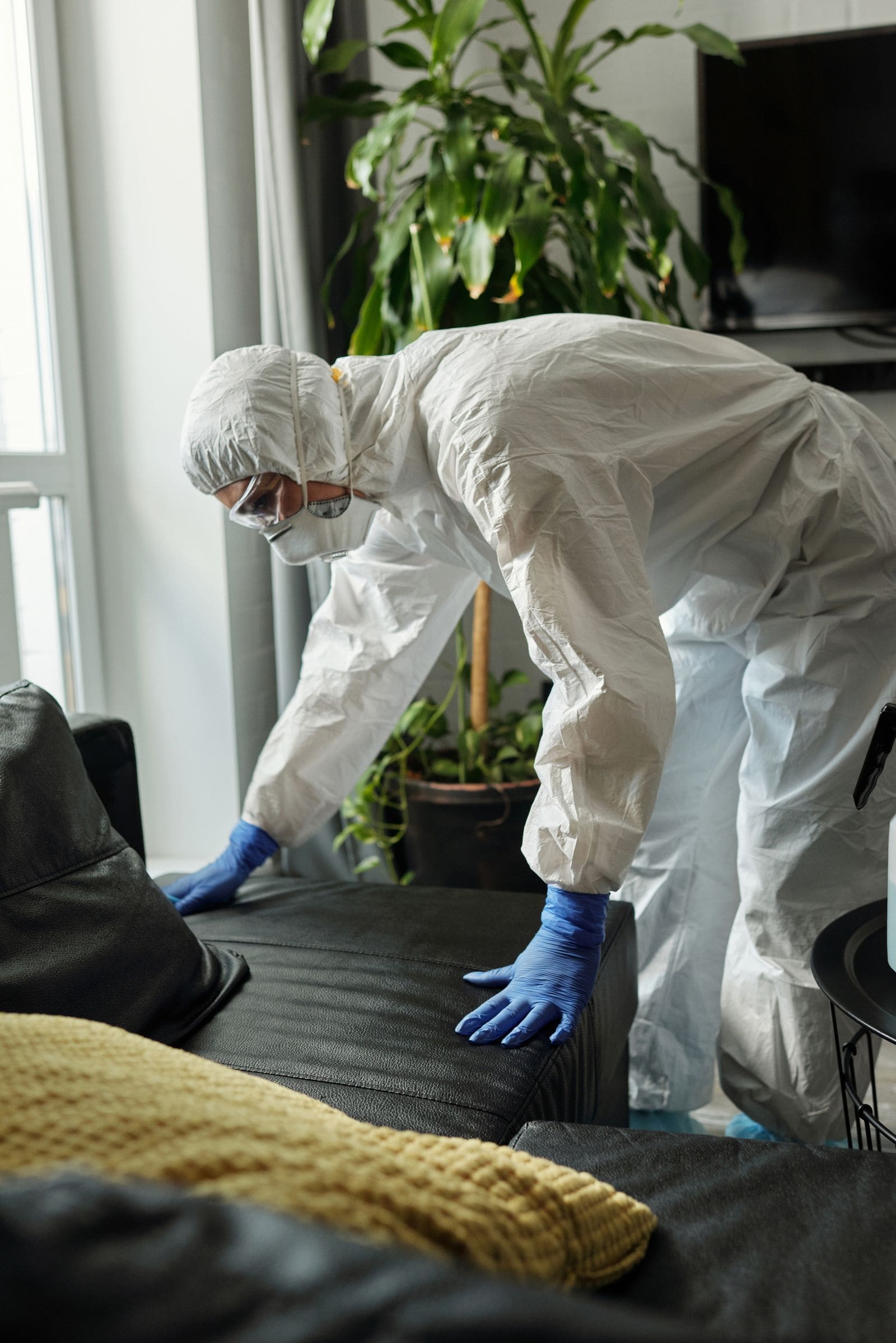
Sewage backup cleanup
Sewage cleanup treats the water as Category 3 (grossly contaminated): crews in protective gear remove it, discard porous materials it touched, clean and disinfect hard surfaces, and dry the structure.
Learn more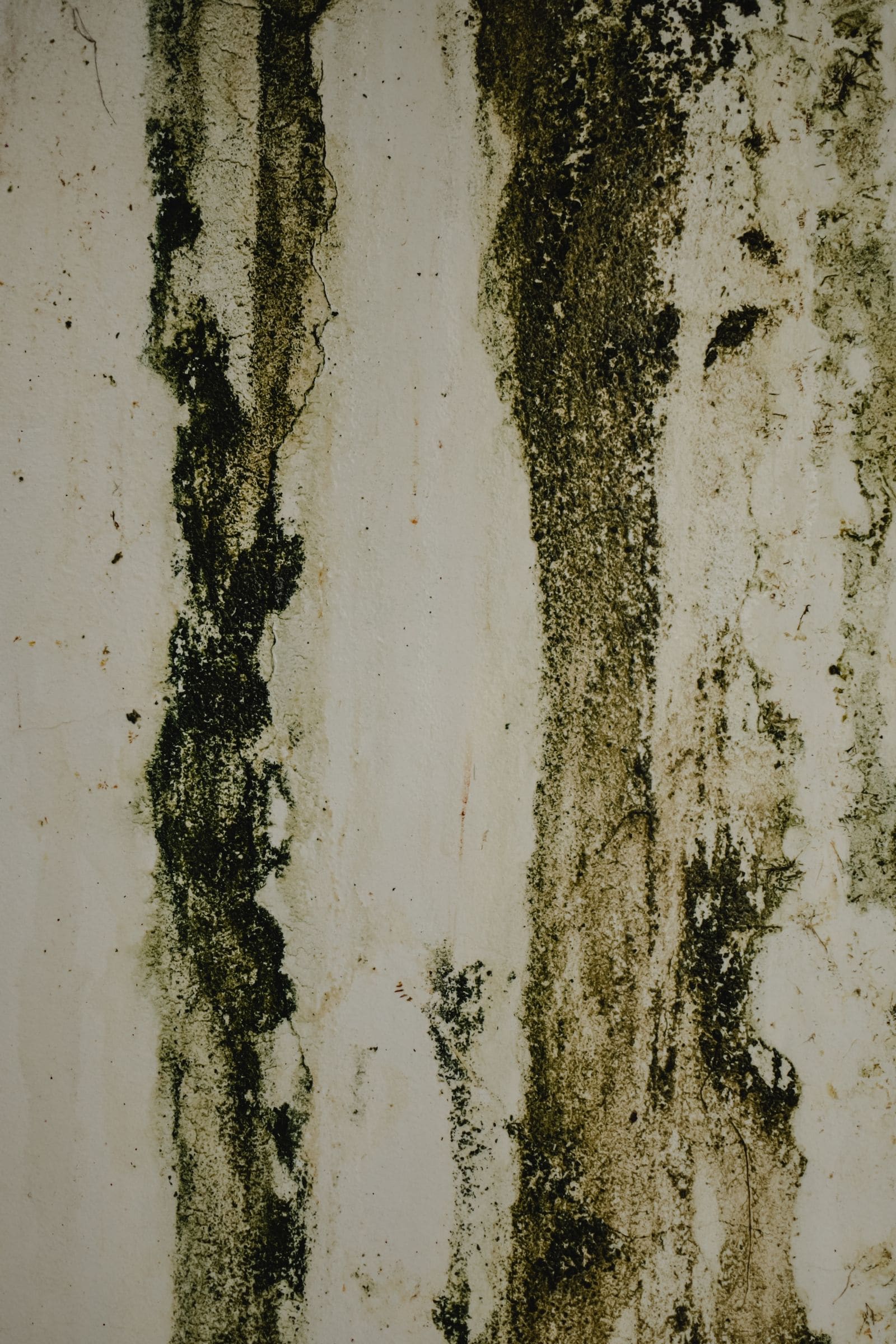
Mold remediation
Mold remediation removes mold growth under containment so spores don't spread, cleans or discards affected materials, and corrects the moisture problem that let it grow.
Learn moreWater, mold or fire damage? Get the right crew on it.
One call connects you with an independent restoration company that serves your ZIP code. Fast call-back during business hours.