
Water damage
Structural drying in Chicago, IL
Structural drying removes moisture that has soaked into walls, framing, subfloors and cabinets after the visible water is gone. It uses calculated airflow, dehumidification and daily meter readings so materials reach a documented dry standard before anything is closed up.
Structural drying in Chicago: local conditions
Partner coverage for water damage in Chicago currently includes 65 ZIP codes: 60499, 60601, 60602, 60603, 60604, 60605, 60606, 60607, 60610, 60611, 60613, 60614, 60615, 60616, 60618, 60622, 60625, 60626, 60629, 60630, 60631, 60632, 60634, 60638, 60640, 60641, 60642, 60643, 60644, 60645, 60646, 60647, 60651, 60652, 60653, 60654, 60655, 60656, 60657, 60659, 60660, 60661, 60664, 60666, 60668, 60669, 60670, 60673, 60674, 60675, 60677, 60678, 60680, 60681, 60684, 60685, 60686, 60687, 60688, 60689, 60690, 60694, 60695, 60696, 60699. If your ZIP is on this list, a call connects you with a company that serves it.
Intense rain overwhelms the combined sewer system, sending water and sewage into basements. Backwater valves and overhead sewers are common fixes. Chicago two-flats and three-flats stack kitchens and bathrooms, so a leak in the upper unit runs into the unit below and often into the basement. The Tunnel and Reservoir Plan (Deep Tunnel) stores stormwater to reduce flooding, but the most intense storms still overwhelm it and back water into basements. Brick bungalows across the Southwest and Northwest sides often have finished basements, where a single backup can damage carpet, drywall and belongings.
The Chicago bungalow belt and two-flats have basements with floor drains connected to combined sewers. Older homes have clay or cast-iron laterals.
What you can expect
- One call connects you with an independent restoration company that serves your ZIP code.
- Fast call-back during business hours
- Serving Chicago, IL
- Photo and moisture documentation for insurance
Structural drying at a glance
- Category
- Water damage
- Emergency service
- Scheduled visit
- Typical first step
- Moisture mapping
- Area
- Chicago, IL
Other risks in Chicago
Frozen pipes
Polar-vortex events, like January 2019, freeze pipes in exterior walls and garages.
Lake Michigan shoreline
High lake levels and storms have eroded the shoreline and flooded lakefront buildings.
Signs you need structural drying
- Walls or baseboards still feel cool or damp days after a leak
- Paint bubbling or peeling near the floor
- Musty odor that returns after cleaning
How the work is done
Moisture mapping, then Open cavities if needed, then Airflow and dehumidification, then Document the dry standard. See the full structural drying process.
What affects the cost
Prices depend on the job, so restoration companies in Chicago quote after an assessment. The main drivers are how much area is affected, how long it stayed wet, and what has to be removed or rebuilt. See the full list of structural drying cost factors.
Structural drying questions
Is sewer backup covered by insurance in Chicago?
Usually only with a sewer or drain backup endorsement, which many Chicago homeowners add.
Do I need a permit for repairs in Chicago?
Structural, plumbing and electrical repairs need permits from the Chicago Department of Buildings, and contractors need Chicago licenses.
Why not just use fans?
Fans move air but don't remove moisture from it. Without dehumidification, the water evaporated from your walls stays in the room and soaks back into other materials.
Do walls always have to be cut open?
No. Many clean-water losses dry in place with small access holes. Walls are cut when water is contaminated, insulation is soaked, or readings won't come down.
Related pages
Other services in Chicago
Structural drying in nearby cities
More about water and storm damage in Chicago, or see structural drying nationwide.
Related services
Water damage restoration
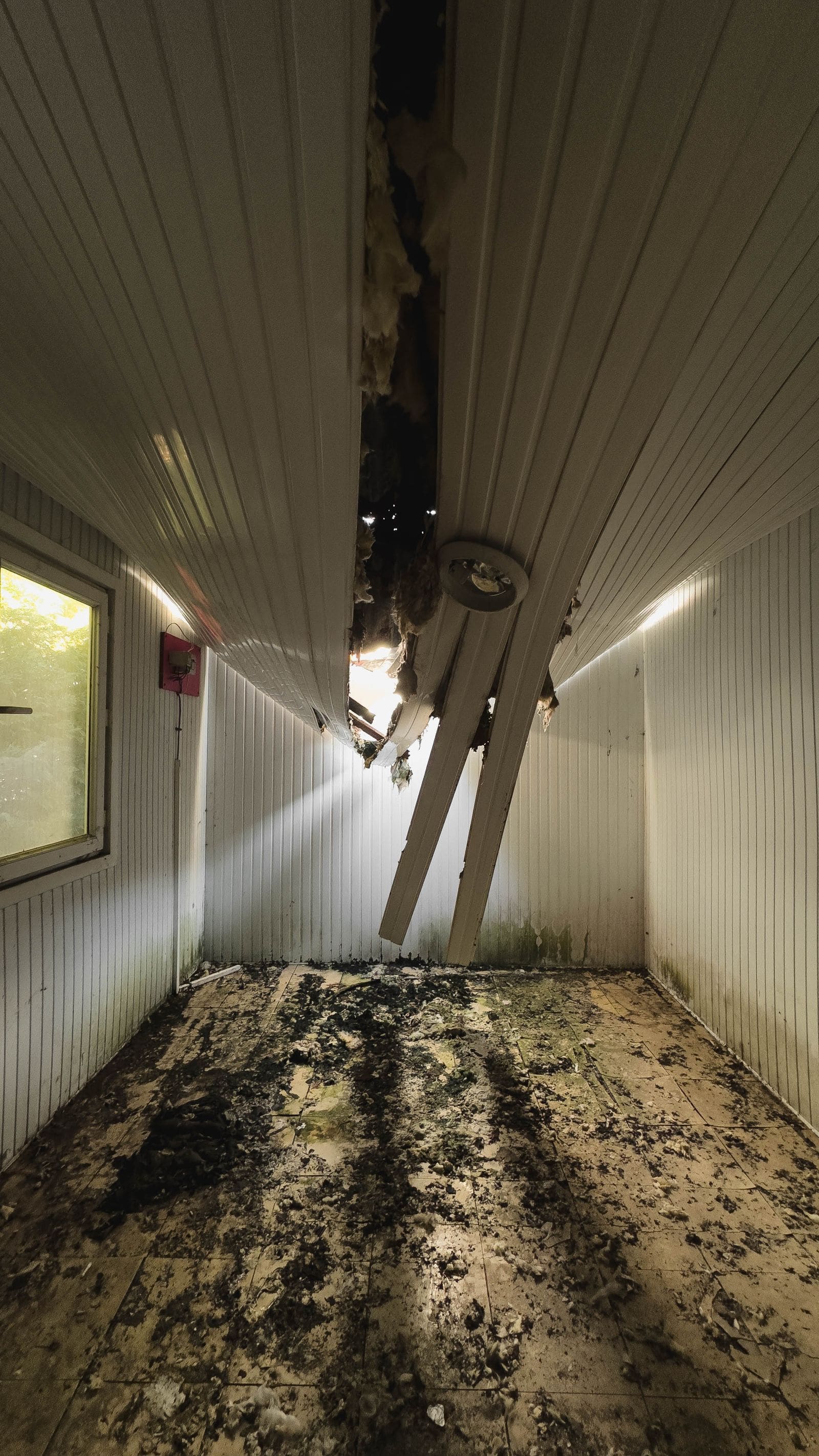
Water damage restoration removes standing water, dries the structure to a measured dry standard, and repairs or replaces what can't be saved.
Learn more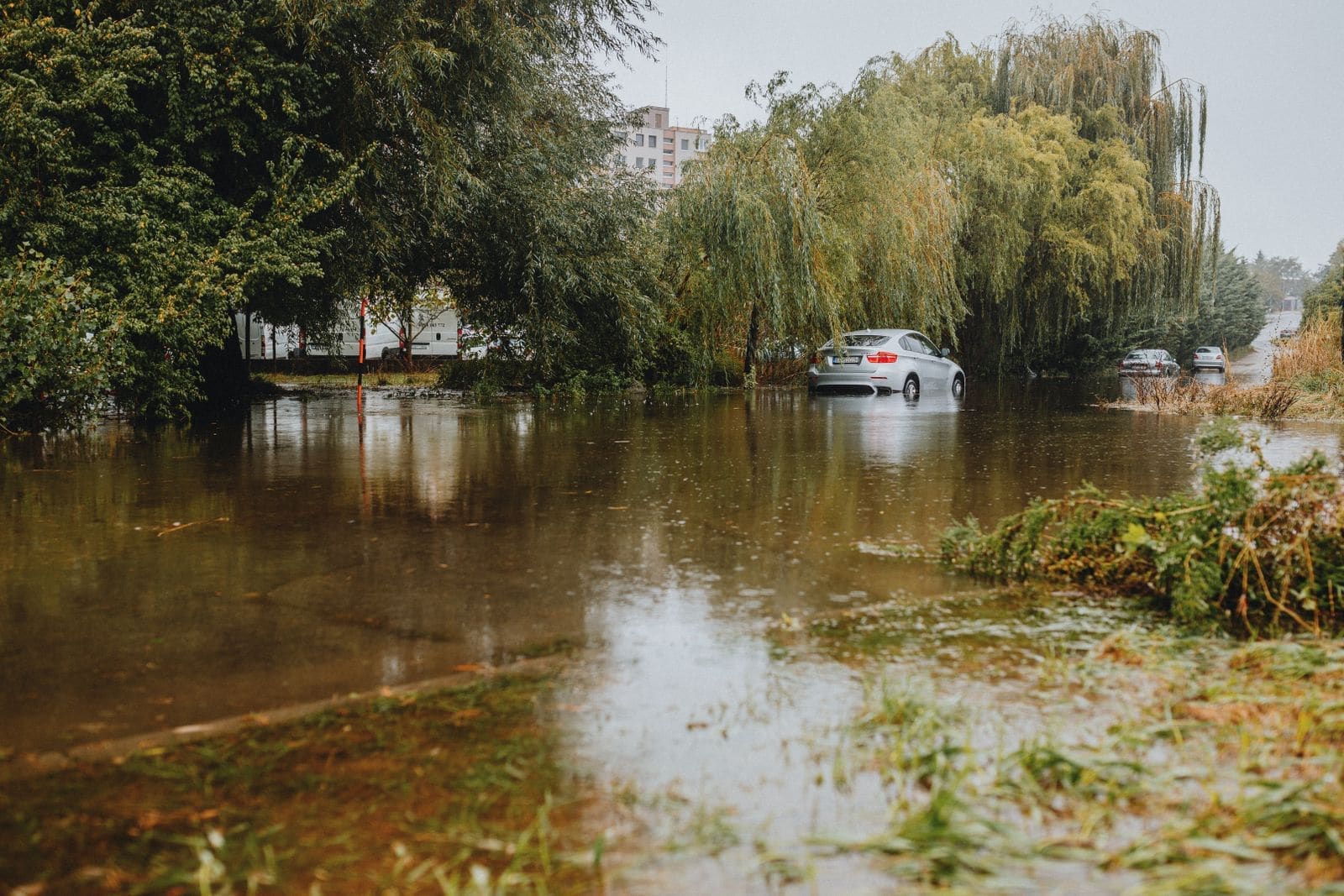
Emergency water extraction
Water extraction is the first step of any water loss: removing standing and absorbed water with powerful pumps and extractors before drying starts.
Learn more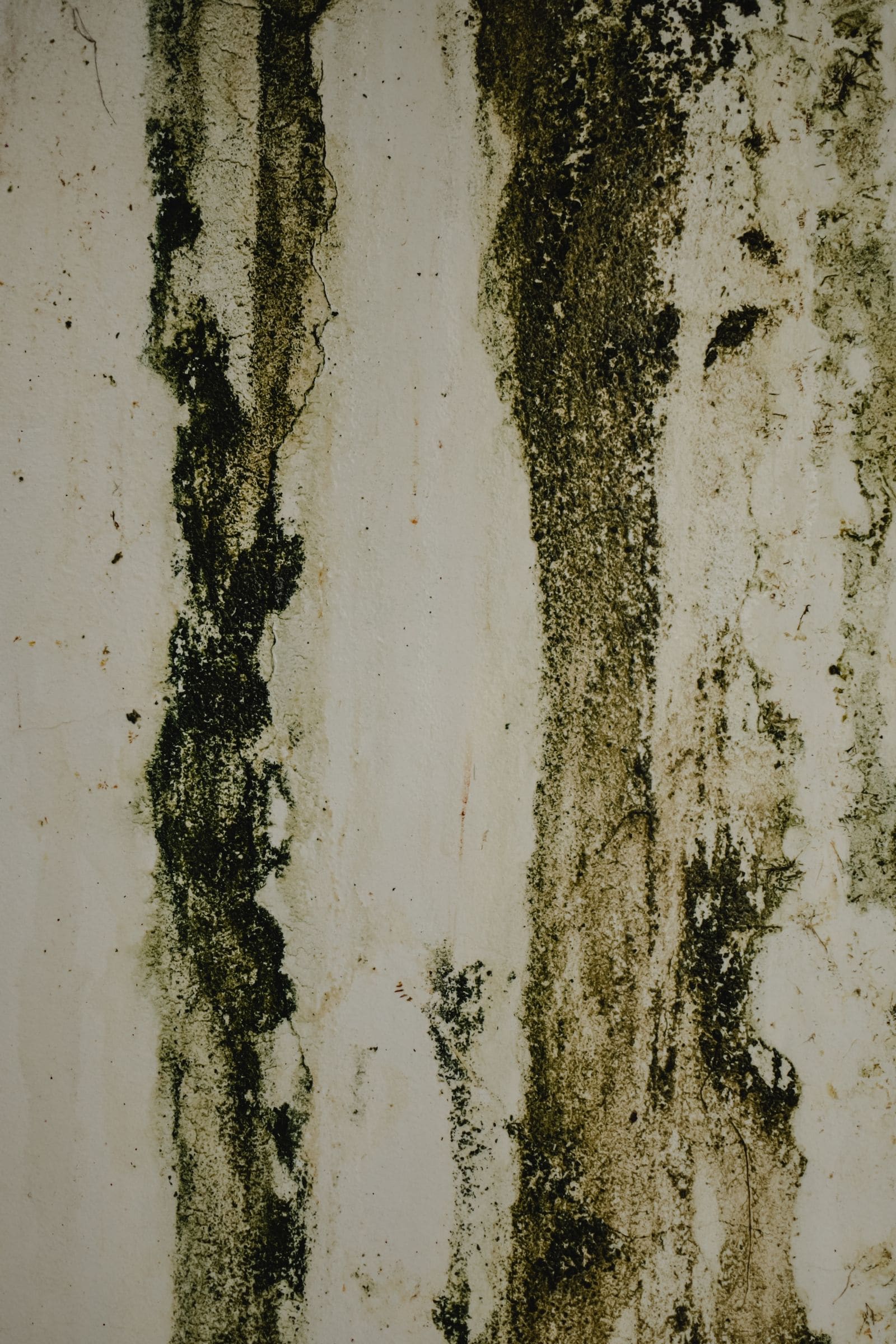
Mold remediation
Mold remediation removes mold growth under containment so spores don't spread, cleans or discards affected materials, and corrects the moisture problem that let it grow.
Learn moreWater, mold or fire damage? Get the right crew on it.
One call connects you with an independent restoration company that serves your ZIP code. Fast call-back during business hours.