
Mold removal
Mold removal that fixes the moisture, too
Mold removal means finding the moisture source, containing the affected area, removing contaminated materials, cleaning what can be saved, and confirming the problem is gone. Without fixing the moisture, mold usually comes back.
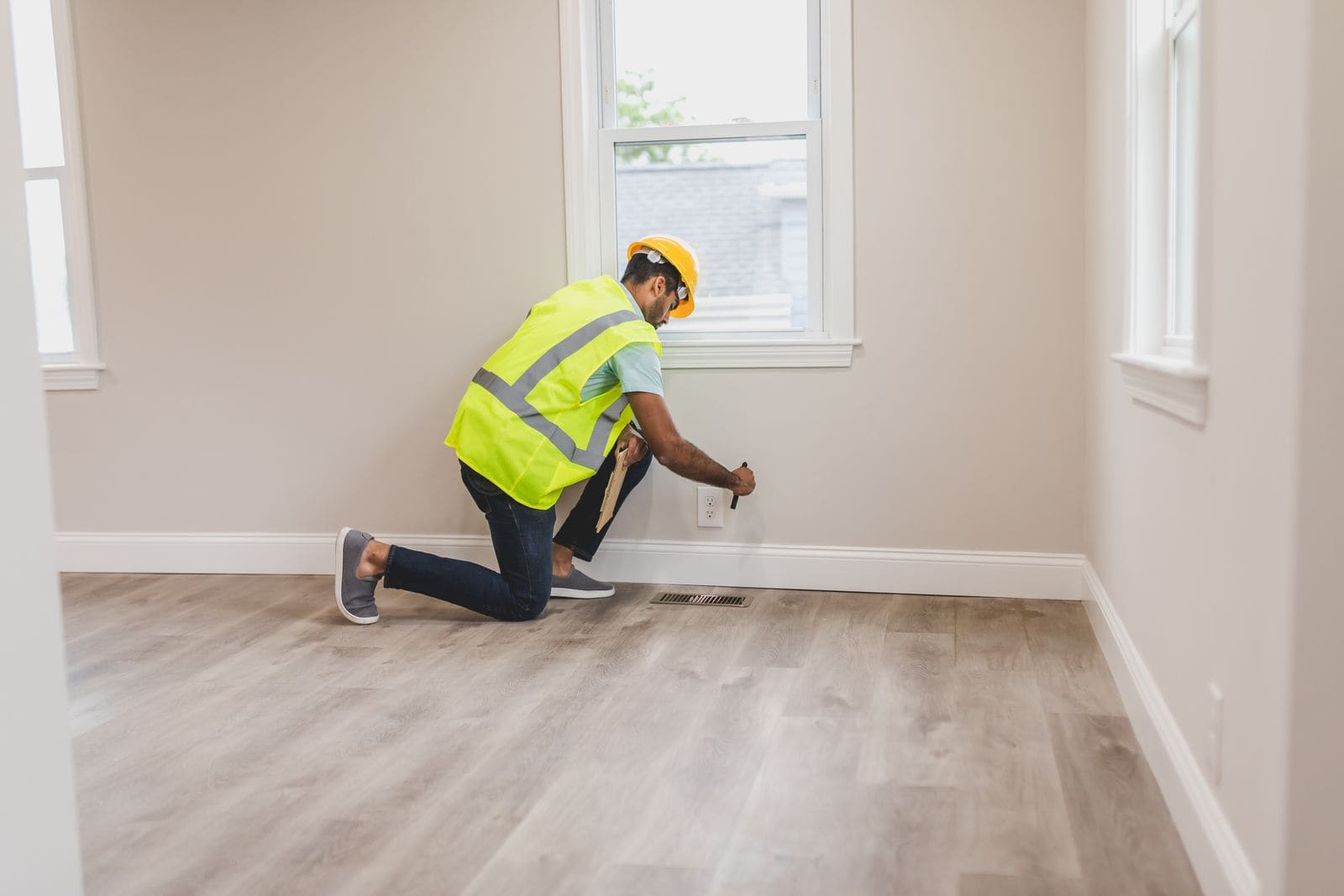
Mold needs three things: a food source like drywall or wood, the right temperature, and moisture. The first two are in every home, so mold problems are really moisture problems. Common sources include slow plumbing leaks, roof and window leaks, damp crawlspaces and basements, AC systems that don't remove enough humidity, and water damage that wasn't dried properly.
Professional remediation follows industry guidance such as the IICRC S520 standard. The affected area is contained so spores don't spread, air scrubbers with HEPA filters run during the work, porous materials with growth are removed, and remaining surfaces are cleaned. Many states license mold assessors and remediators, and some require an independent assessment before and after the work.
What you can expect
- One call connects you with an independent restoration company that serves your ZIP code.
- Fast call-back during business hours
- Serving All 50 states + D.C.
- Photo and moisture documentation for insurance
Mold Removal at a glance
- Category
- Mold removal
- Emergency service
- Scheduled visit
- Typical first step
- Inspect and find the moisture
- Area
- All 50 states + D.C.
Signs you need mold removal
- Visible spots or fuzzy growth on walls, ceilings or wood
- A musty, earthy smell, especially in closets, basements or crawlspaces
- Recent water damage that wasn't fully dried
- Condensation on windows, pipes or AC vents
- Allergy-like symptoms that improve when you leave the house
- Peeling paint or warped materials near a past leak
How the work is done
- 1
Inspect and find the moisture
Moisture meters, thermal imaging and a visual inspection locate growth and, more importantly, the water feeding it.
- 2
Contain the area
Plastic barriers and negative air pressure keep spores from spreading to clean parts of the home during removal.
- 3
Remove and clean
Moldy drywall, insulation and carpet are removed and bagged, and framing and other surfaces are cleaned with HEPA vacuums and antimicrobials.
- 4
Dry and fix the source
The area is dried and the leak, humidity or ventilation problem is corrected so growth doesn't return.
- 5
Verify
A visual check and, where required or requested, clearance testing confirm the area is ready for rebuild.
What affects the cost
Prices depend on the job, so restoration companies quote after an assessment. These factors drive the number:
- Size of the affected area
- Location, such as an attic, crawlspace, wall cavity or HVAC system
- How much material has to be removed
- Containment and air filtration needed
- Independent testing or assessment requirements
- Repairs to the moisture source
What to do right now
Safe to do yourself
- Fix small leaks and dry the area
- Run a dehumidifier to keep humidity below about 60%
- Clean small spots on hard surfaces with detergent and water
- Keep bathroom and kitchen exhaust fans running
- Take photos of any growth and the moisture source
Call a professional if…
- Growth covers more than about 10 square feet
- Mold is inside walls, ducts or the HVAC system
- It followed sewage or floodwater
- Anyone in the home has asthma or a weakened immune system
- It keeps coming back after cleaning
Mold Removal questions
Is bleach enough to kill mold?
Not on porous materials like drywall and wood. Bleach mostly lightens the surface. Porous materials with growth are usually removed, and the moisture source has to be fixed.
Do I need mold testing?
Not always. If mold is visible, the priority is removing it and fixing the moisture. Testing helps when you smell mold but can't find it, or when clearance is required.
Does insurance cover mold removal?
Often only when the mold resulted from a covered water loss, such as a sudden pipe burst. Mold from long-term leaks or humidity is usually excluded, and many policies cap mold coverage.
Where this service is available
Available in all 50 states and D.C. These cities have their own local pages:
Related services
Mold remediation
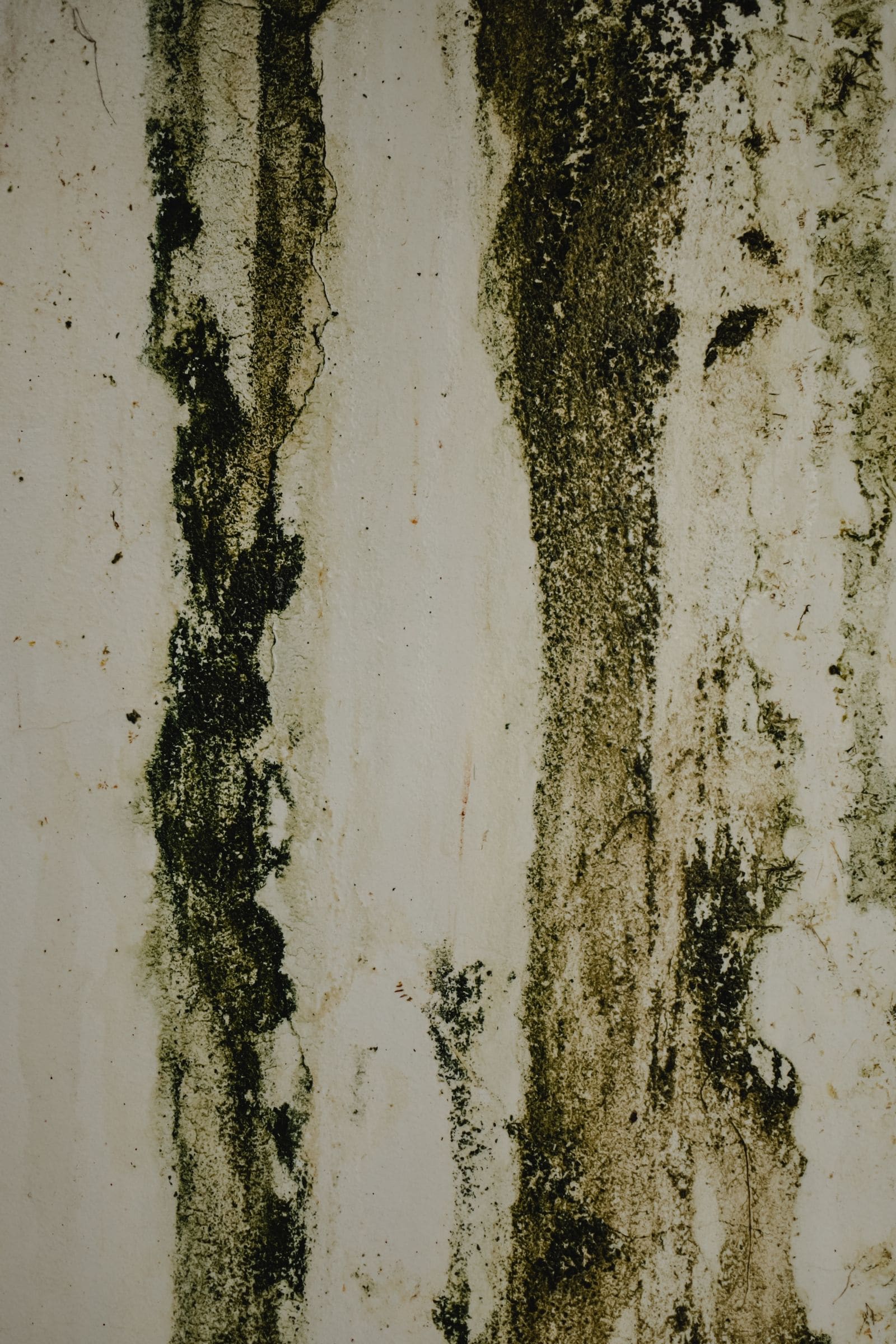
Mold remediation removes mold growth under containment so spores don't spread, cleans or discards affected materials, and corrects the moisture problem that let it grow.
Learn more
Mold inspection & testing
A mold inspection looks for visible growth, hidden moisture and the conditions causing it, using moisture meters, thermal imaging and, when useful, air or surface samples.
Learn more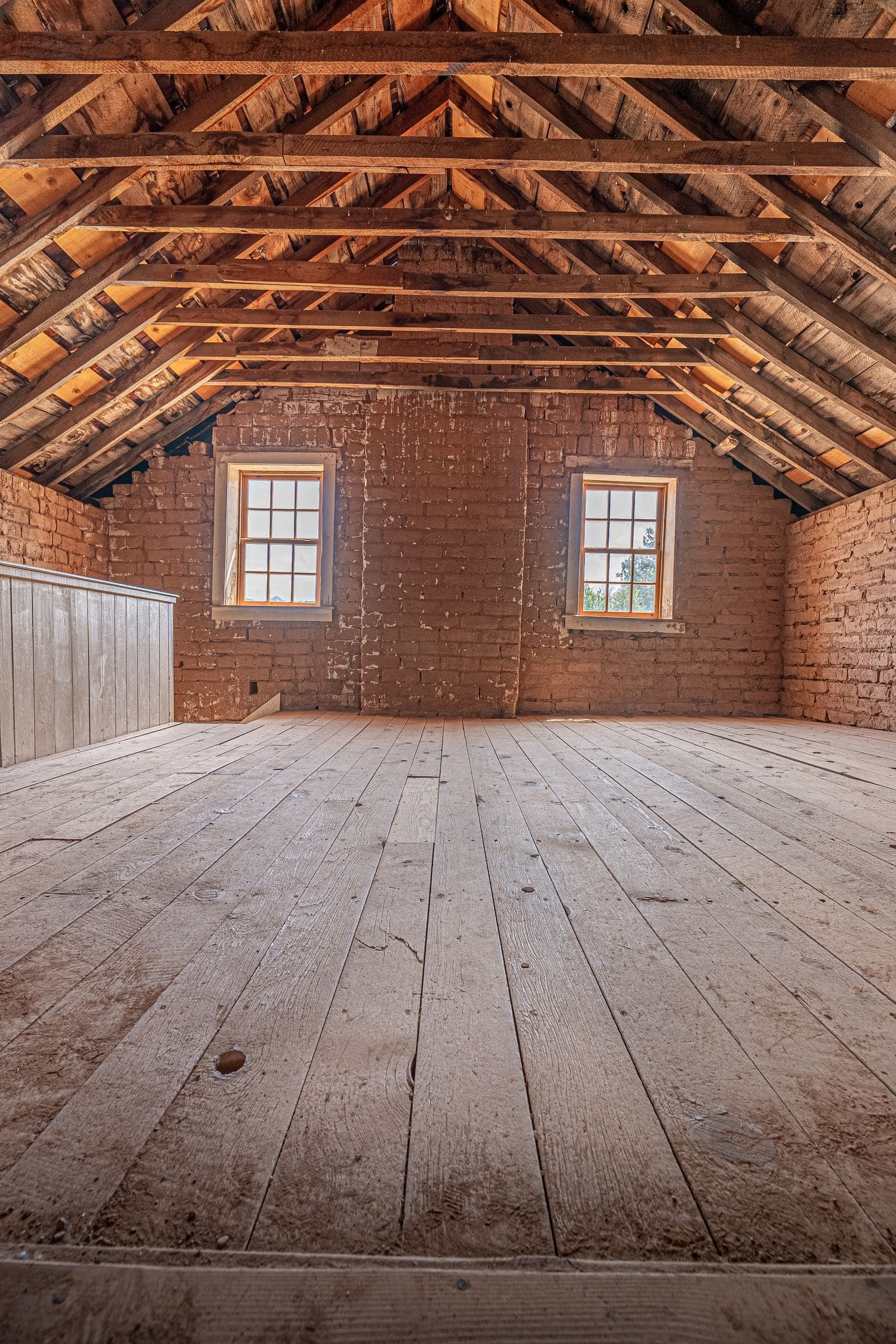
Attic mold removal
Attic mold usually grows on roof decking from condensation, poor ventilation, bathroom fans vented into the attic, or roof and AC leaks.
Learn moreWater, mold or fire damage? Get the right crew on it.
One call connects you with an independent restoration company that serves your ZIP code. Fast call-back during business hours.