
Mold removal
Attic mold removal in Georgia
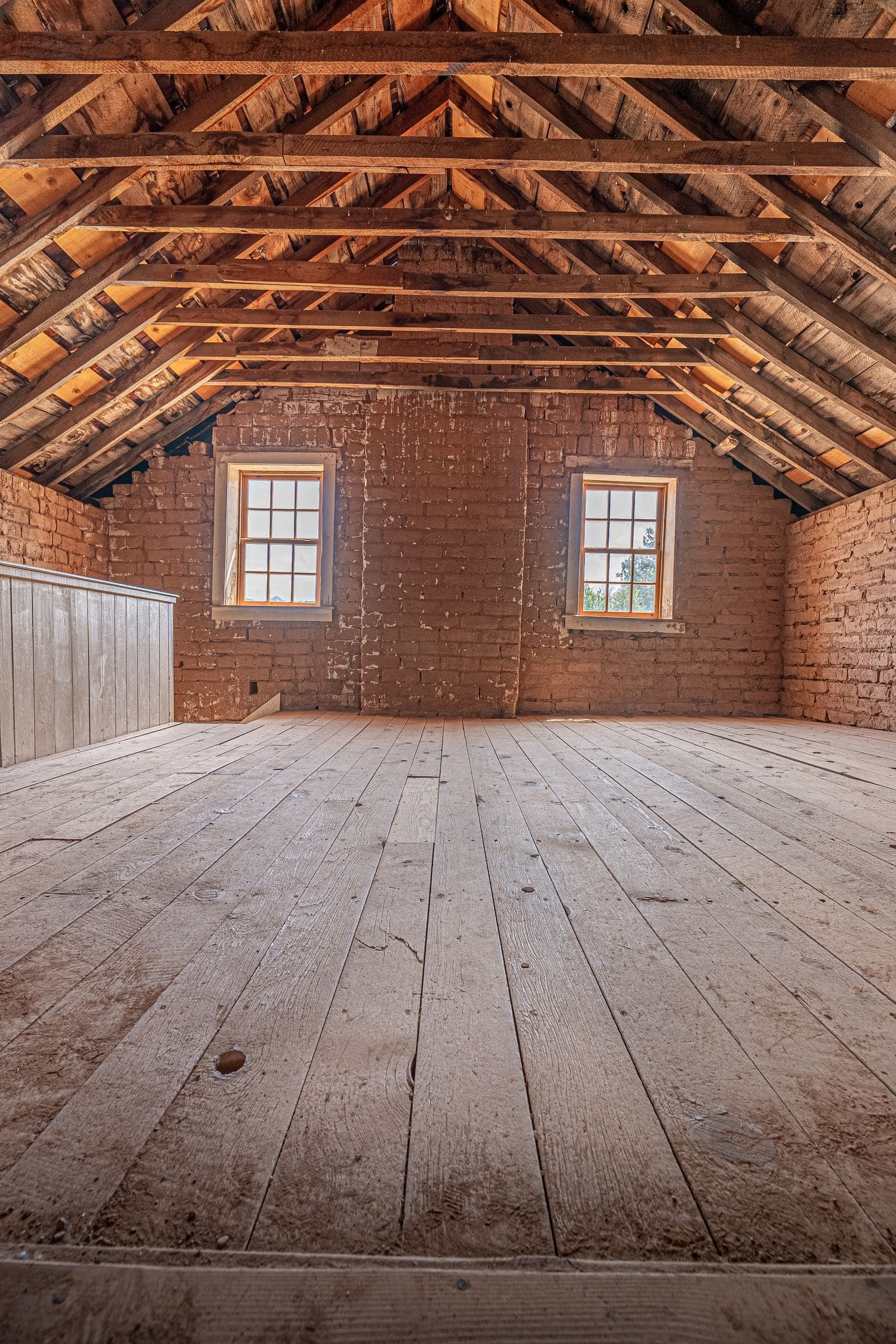
Attic mold usually grows on roof decking from condensation, poor ventilation, bathroom fans vented into the attic, or roof and AC leaks. Removal cleans or treats the decking and rafters, and the ventilation or moisture source is corrected so it doesn't return.
Attic mold removal in Georgia: local conditions
Partner coverage for mold removal in Georgia includes 323 ZIP codes, with local pages for Atlanta, Augusta, Athens, Columbus, Marietta, Decatur, Alpharetta, Lawrenceville. Call with your ZIP to confirm a company serves your address.
In Atlanta: Atlanta's dense tree canopy means storms often drop trees and limbs on roofs, letting rain inside. In Augusta: Helene's 2024 winds brought down thousands of trees, damaging roofs and leaving homes open to rain. In Athens: Thunderstorms and occasional tornadoes damage roofs and trees. In Columbus: Spring storms bring high winds, falling trees and occasional tornadoes that damage roofs.
Basements are common in north Georgia and metro Atlanta, crawlspaces in older homes statewide, and slab construction in many newer subdivisions.
Georgia requires residential and general contractors to be licensed by the State Licensing Board for Residential and General Contractors for most jobs over $2,500. Check the license through the Georgia Secretary of State.
What you can expect
- One call connects you with an independent restoration company that serves your ZIP code.
- Fast call-back during business hours
- Serving Georgia
- Photo and moisture documentation for insurance
Attic mold removal at a glance
- Category
- Mold removal
- Emergency service
- Scheduled visit
- Typical first step
- Find the cause
- Area
- Georgia
Other risks in Georgia
Flash flooding in metro Atlanta
Intense rain on hilly, paved terrain overwhelms creeks and storm drains, as in the 2009 floods that swamped homes across the metro.
Humidity and crawlspace mold
Damp crawlspaces and basements grow mold and rot, especially in older homes.
Coastal storms
Savannah and the Golden Isles face surge and wind from tropical systems.
Signs you need attic mold removal
- Dark staining on roof decking or rafters
- Damp or compressed insulation
- Frost or condensation on nails in winter
How the work is done
Find the cause, then Remove and clean, then Treat and seal, then Correct moisture. See the full attic mold removal process.
What affects the cost
Prices depend on the job, so restoration companies in Georgia quote after an assessment. The main drivers are how much area is affected, how long it stayed wet, and what has to be removed or rebuilt. See the full list of attic mold removal cost factors.
Attic mold removal questions
How fast does mold grow after a leak in Georgia?
In Georgia's humidity, mold can begin within 24–48 hours on wet drywall or wood. Start drying right away.
How do I verify a Georgia contractor?
Search the Georgia Secretary of State's professional licensing lookup for a residential or general contractor license.
Is attic mold a deal-breaker when selling a house?
Not usually, if it's remediated and the cause is fixed with documentation. Buyers mainly want proof it was handled correctly.
Cities in Georgia
Other services in Georgia
- Water Damage in Georgia
- Mold Removal in Georgia
- Fire & Smoke Damage in Georgia
- Sewage & Biohazard Cleanup in Georgia
- Emergency water extraction in Georgia
- Structural drying in Georgia
- Flood damage cleanup in Georgia
- Burst pipe water damage in Georgia
- Ceiling water damage repair in Georgia
- Mold remediation in Georgia
Related pages
More about water and storm damage in Georgia, or see attic mold removal nationwide.
Related services
Mold remediation
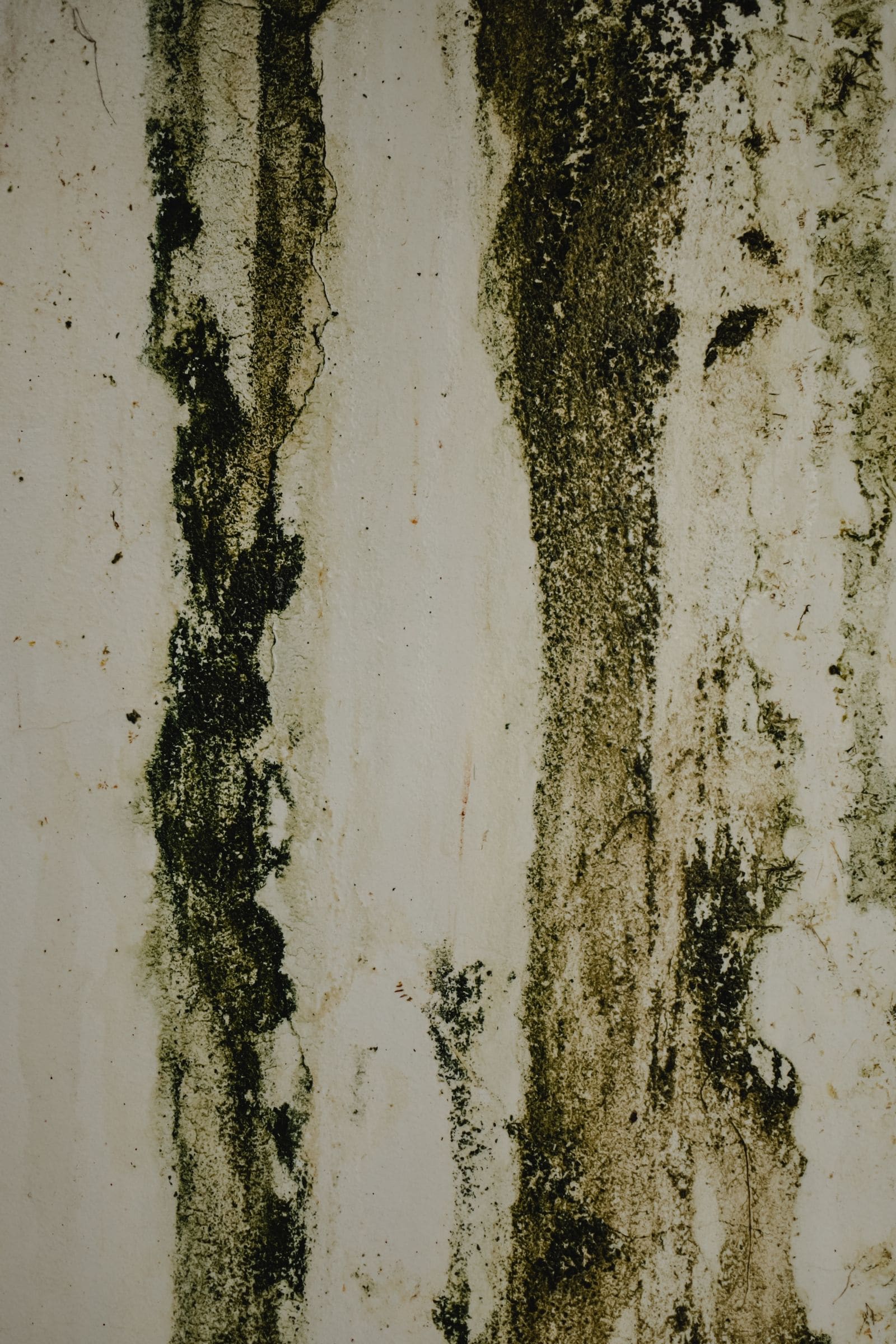
Mold remediation removes mold growth under containment so spores don't spread, cleans or discards affected materials, and corrects the moisture problem that let it grow.
Learn more
Mold inspection & testing
A mold inspection looks for visible growth, hidden moisture and the conditions causing it, using moisture meters, thermal imaging and, when useful, air or surface samples.
Learn more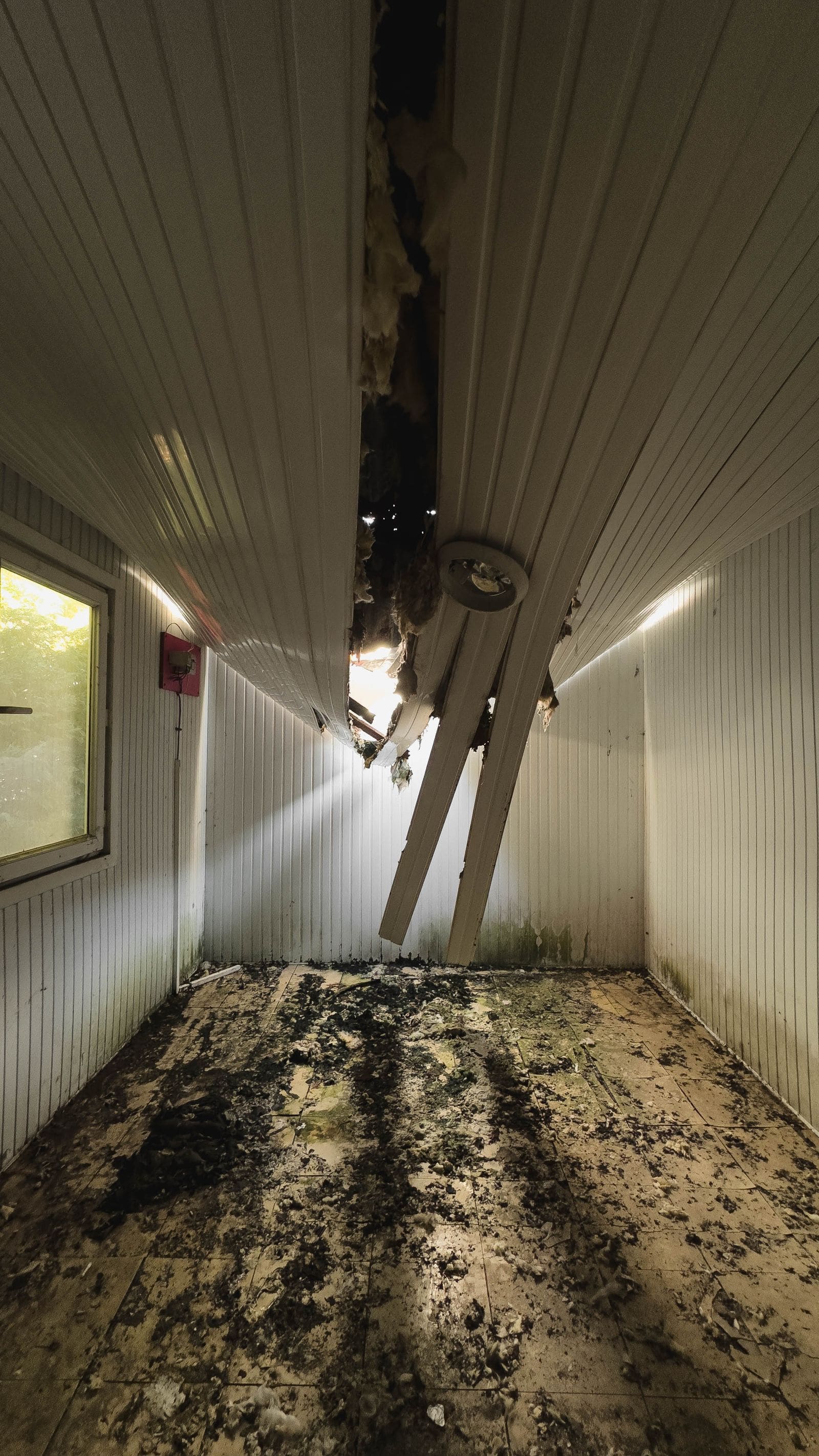
Ceiling water damage repair
Ceiling water damage is usually caused by a roof leak, an attic AC drain overflowing, or a plumbing line above.
Learn moreWater, mold or fire damage? Get the right crew on it.
One call connects you with an independent restoration company that serves your ZIP code. Fast call-back during business hours.